By Marcus Lindqvist · Updated August 20, 2026 · 6 min read
Short answer
Compressor burnout is the failure of the motor windings in a hermetic or semi-hermetic compressor, usually from overheating, electrical faults, loss of lubrication or contamination. Warning signs include tripped breakers, a burnt smell, dark acidic oil and high amps. Replacing the compressor without finding and removing the cause and cleaning the system usually leads to a repeat failure.
Compressor burnout is the electrical failure of the motor inside a hermetic or semi-hermetic refrigeration compressor. Because the motor windings sit in refrigerant and oil, a winding failure does more than stop the machine. It can break down the oil, produce acid and spread carbon and debris through the whole system. That is why finding the cause matters more than swapping the compressor.
What causes a compressor to burn out?
Most burnouts have a root cause outside the winding itself:
- Overheating. High discharge or motor temperature from high condensing pressure, dirty condensers, low refrigerant charge, poor suction cooling or high superheat.
- Liquid floodback and slugging. Liquid refrigerant entering the compressor washes oil from the bearings and can damage mechanical parts, which overloads the motor.
- Loss of lubrication. Oil return problems, low oil level, wrong oil or refrigerant dilution of the oil.
- Electrical problems. Low or unbalanced voltage, phase loss, loose or corroded connections, failed contactors, short cycling and repeated starts.
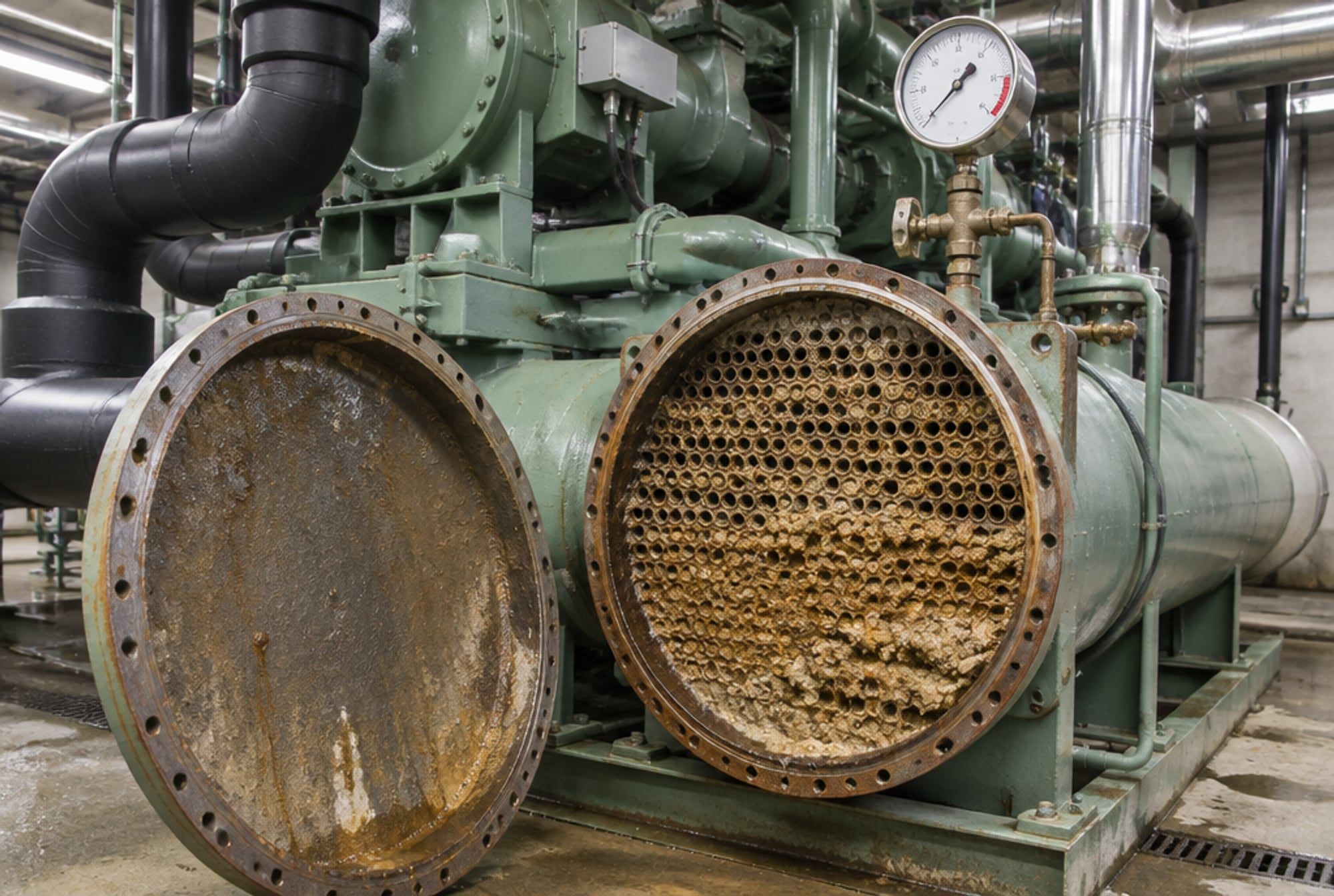
- Moisture and contamination. Water in the system reacts with refrigerant and oil to form acid. Acid attacks winding insulation and copper.
- Poor service practices. Inadequate evacuation, wrong refrigerant or oil, or a system left open to air.
Short cycling is a common thread: each start draws several times the running current, and repeated starts heat the windings. For other early warnings, see five signs a compressor is wearing out.
What are the warning signs?
- Breakers or overloads tripping, or the compressor refusing to start.
- A burnt smell near the compressor or from the oil.
- Dark, black or acidic oil, sometimes seen in a sight glass.
- Higher than normal amps or an unbalanced current between phases.
- Higher discharge or motor temperatures than usual.
- A compressor that hums but does not start.
How do you test for burnout?
| Test | What it shows | Notes |
|---|---|---|
| Winding resistance | Open or shorted windings | Compare phases and nameplate or manufacturer values |
| Insulation resistance (megohm test) | Insulation breakdown to ground | Test with power off and locked out |
| Oil acid test | Acid in the oil | Kits give a color result; lab analysis is more detailed |
| Oil appearance and smell | Burnt oil or contamination | Quick field check |
| Amp draw per phase | Overload or imbalance | Compare with RLA on the nameplate |
For the electrical data on the compressor, see how to read a compressor nameplate. Lab results give more detail; what oil analysis tells you covers that.
What should happen after a burnout?
A new compressor on a dirty system will fail again. A responsible procedure covers:
- Find the cause. Check electrical supply, pressures, superheat, oil return, charge and controls.
- Recover the refrigerant and remove the failed compressor.
- Clean the system. Remove contaminated oil, flush or clean lines and components where the manufacturer allows, and replace filter-driers, including suction-line driers where specified.
- Evacuate properly to a deep vacuum and confirm it holds.
- Install the new compressor with the correct oil and refrigerant charge.
- Check after start-up. Test oil acidity again after a short run time and replace driers as needed until the results stay clean.
Follow the compressor manufacturer’s burnout procedure and keep Section 608 requirements for refrigerant handling in mind.
How do you prevent burnout?
- Keep condensers clean and verify charge and superheat.
- Use protection devices: phase monitors, high-pressure and oil-pressure controls, and motor protectors.
- Avoid short cycling by fixing controls and system sizing.
- Take oil samples on larger systems.
- Keep logs of pressures, temperatures and amps and look for trends.
What should you record after a burnout?
A burnout is also a data point. Before the failed unit leaves the site, write down the model and serial number, the refrigerant and oil type, the running hours if known, and what the system was doing in the days before the failure. Photograph the terminal box and the oil condition.
These records answer the question that matters most: was this a one-off or a symptom? A motor that failed after a power event tells a different story than one that failed after months of high discharge temperature. The common causes of compressor failure can help sort the pattern, and liquid slugging and flooded starts is worth checking if the failure followed short cycling or a long off period.
Keep the oil sample too. If the system had been sampled before, compare against it. The decision to repair or replace afterwards is easier with facts; the rebuild vs. replace comparison lays out the factors. A failed compressor installed into a system that still has the original fault will usually fail again.
Frequently asked questions
Can a burned-out compressor be rewound or rebuilt?
Some larger semi-hermetic compressors can be rebuilt or have motors replaced; small hermetic units generally are replaced. It depends on the model and the extent of contamination.
What does burnt compressor oil look like?
It is usually dark brown or black and smells burnt, but color alone does not confirm acid. Test it.
Is burnout covered by warranty?
Warranty terms differ by manufacturer, and many exclude failures caused by system problems or poor installation.
SpecServis engineers in Ukraine work with compressor failures and overhauls. If you work on compressor systems in Central Texas, we would like to meet you. See our open positions or partnership options.