By Marcus Lindqvist · Updated August 23, 2026 · 6 min read
Short answer
Rebuilding usually makes sense for large, serviceable compressors such as open-drive and semi-hermetic screw or reciprocating machines when parts are available and the housing is sound. Replacement usually wins for small hermetic and scroll units, badly contaminated systems, obsolete models or refrigerant changes. The decision should compare lifecycle cost, downtime and risk, not only the invoice.
Whether to rebuild or replace a failed or worn compressor depends first on what kind of compressor it is. Large serviceable machines are routinely overhauled. Small sealed ones are replaced. In between, the answer comes from a short list of factors: parts availability, the extent of damage, how contaminated the system is, how long you can be down, whether the refrigerant is changing and what each option costs over its life. This article gives a framework, not a price. For background on compressor types, see our guide to refrigeration compressor types.
What is the difference between rebuild, overhaul and replace?
- Inspection and minor repair: replacing seals, valves or a few worn parts after measuring clearances.
- Overhaul or rebuild: disassembly, cleaning, measuring, replacing bearings, seals, valve plates, pistons or rotors as required, then reassembly and testing. Procedures follow the manufacturer’s service data.
- Remanufactured unit: a compressor rebuilt to a defined standard, often as an exchange. Warranty terms differ by supplier.
- New replacement: a new unit of the same or a different model.
Which compressors are usually rebuilt?
| Compressor | Usual outcome | Why |
|---|---|---|
| Open-drive screw or reciprocating (ammonia plants) | rebuild | built to be serviced, high value, long lead time for new |
| Semi-hermetic reciprocating or screw | often rebuild | bolted housing, parts available |
| Large centrifugal | rebuild or refurbish | very high cost of replacement, usually service-based |
| Hermetic scroll and rotary | replace | sealed shell, not field-serviceable |
| Small hermetic reciprocating | replace | cost of service exceeds cost of the unit |
These are tendencies. The manufacturer’s guidance and the compressor’s condition decide.
What factors should you weigh?
- Type and size. The bigger and more serviceable the machine, the stronger the case for a rebuild.
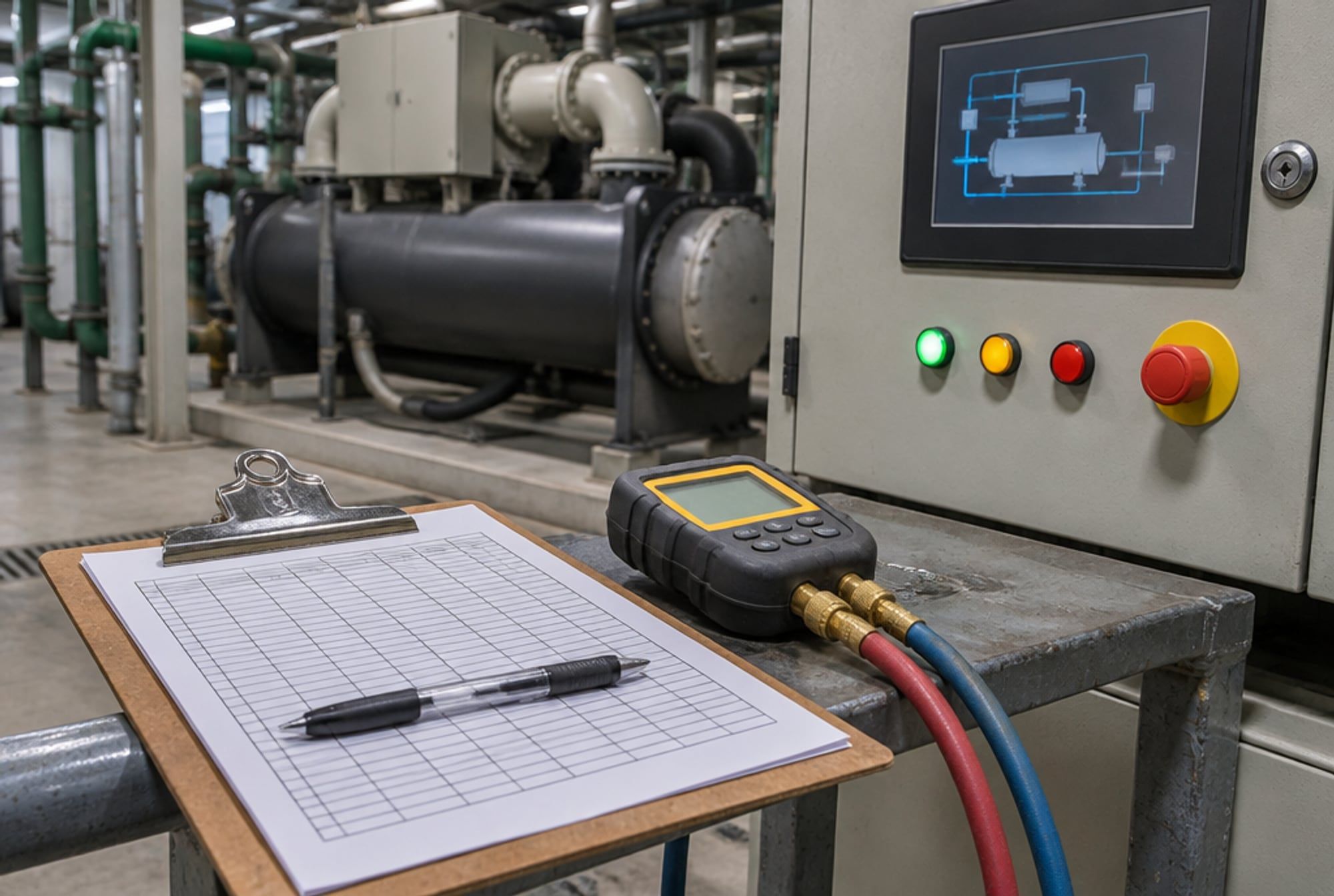
- Extent of damage. A worn bearing or seal is a different problem from a cracked housing, scored cylinder walls or a damaged rotor. Measure and record before deciding.
- Age and parts support. If the manufacturer or the market still supplies parts, a rebuild is realistic. Obsolete models may force replacement.
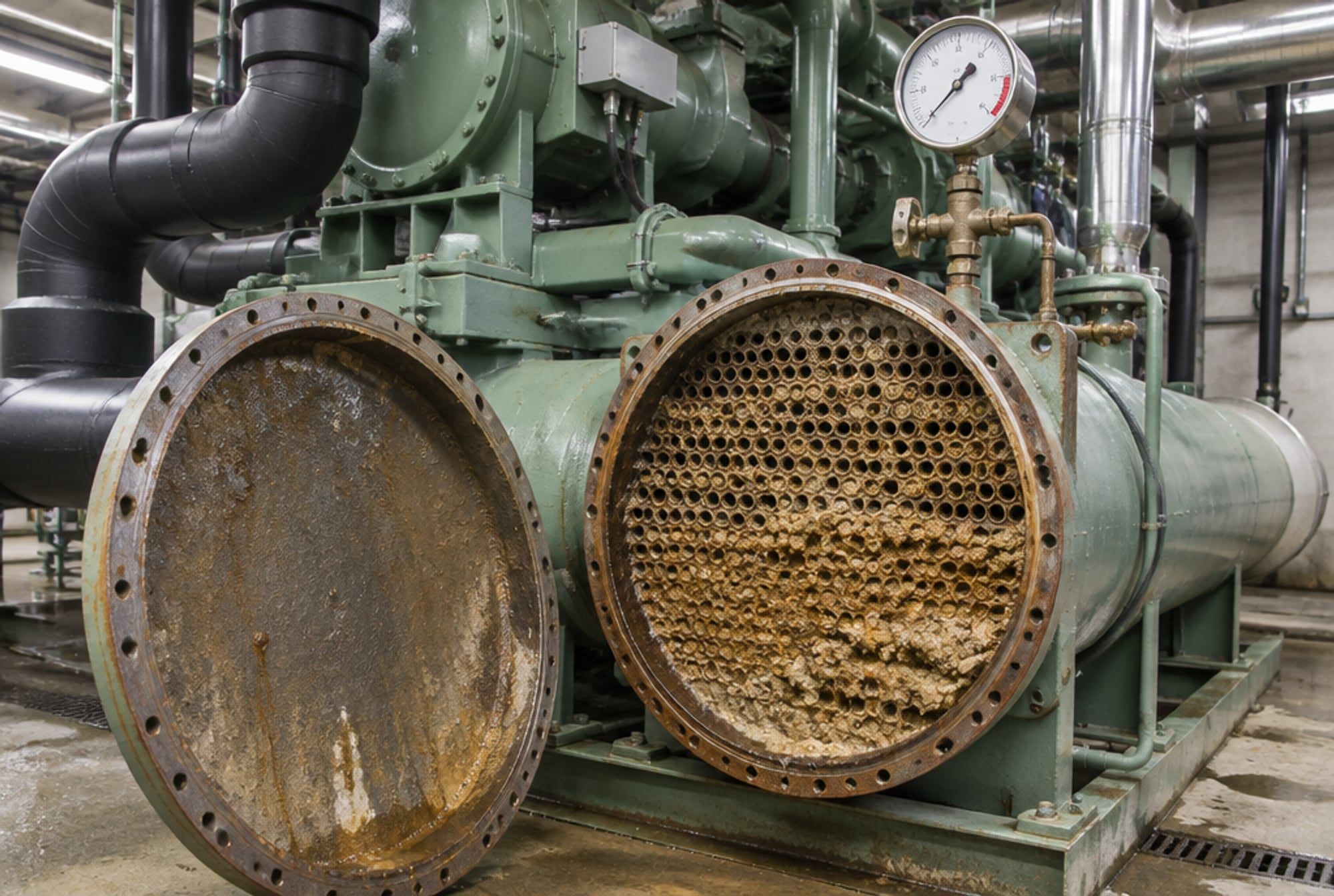
- Contamination. A motor burnout or acid contamination affects the whole system. Cleaning has to cover lines, driers and oil, whichever option you choose; see compressor burnout: causes and testing.
- Downtime. Rebuilding takes shop time and shipping. A replacement in stock can be faster; a new large unit can take months. Decide how long production or cooling can stop, or whether you can rent or use a spare.
- Refrigerant and regulation. If the system must move to a lower-GWP refrigerant, a new compressor approved for that refrigerant may be the better investment. See A2L refrigerants explained.
- Efficiency. A new model may use less energy per ton. For a machine that runs most hours of the year, that matters.
- Warranty and risk. A new unit comes with a manufacturer warranty. A rebuild or remanufactured unit has the warranty of the rebuilder. Compare the terms, not only the headline.
- Lifecycle cost. Compare the purchase or repair cost, installation, expected life, energy use and risk of repeat failure.
How do you find the cause first?
A rebuild that ignores the cause will fail again. Before choosing, find out why the compressor failed:
- Liquid floodback, loss of oil return or overheating.
- Electrical faults: low voltage, phase loss, repeated starts.
- Contamination: moisture, acid, debris.
- Operating outside design: high pressure ratio, wrong refrigerant or oil.
- Normal wear after long service.
Logs, oil analysis and vibration records help here. See what oil analysis tells you and five signs a compressor is wearing out. The nameplate gives the model and ratings you need for parts; see how to read a compressor nameplate.
What does a rebuild typically include?
The scope varies by compressor, but a general overhaul covers:
- Disassembly, cleaning and inspection of all parts.
- Measurement of clearances, bearings, shafts, rotors or cylinders against manufacturer tolerances.
- Replacement of wear parts: bearings, seals, gaskets, valves, rings.
- Machining, grinding or replacing damaged components.
- Reassembly, torque and clearance checks, and a test run where possible.
- Documentation of measurements and parts replaced.
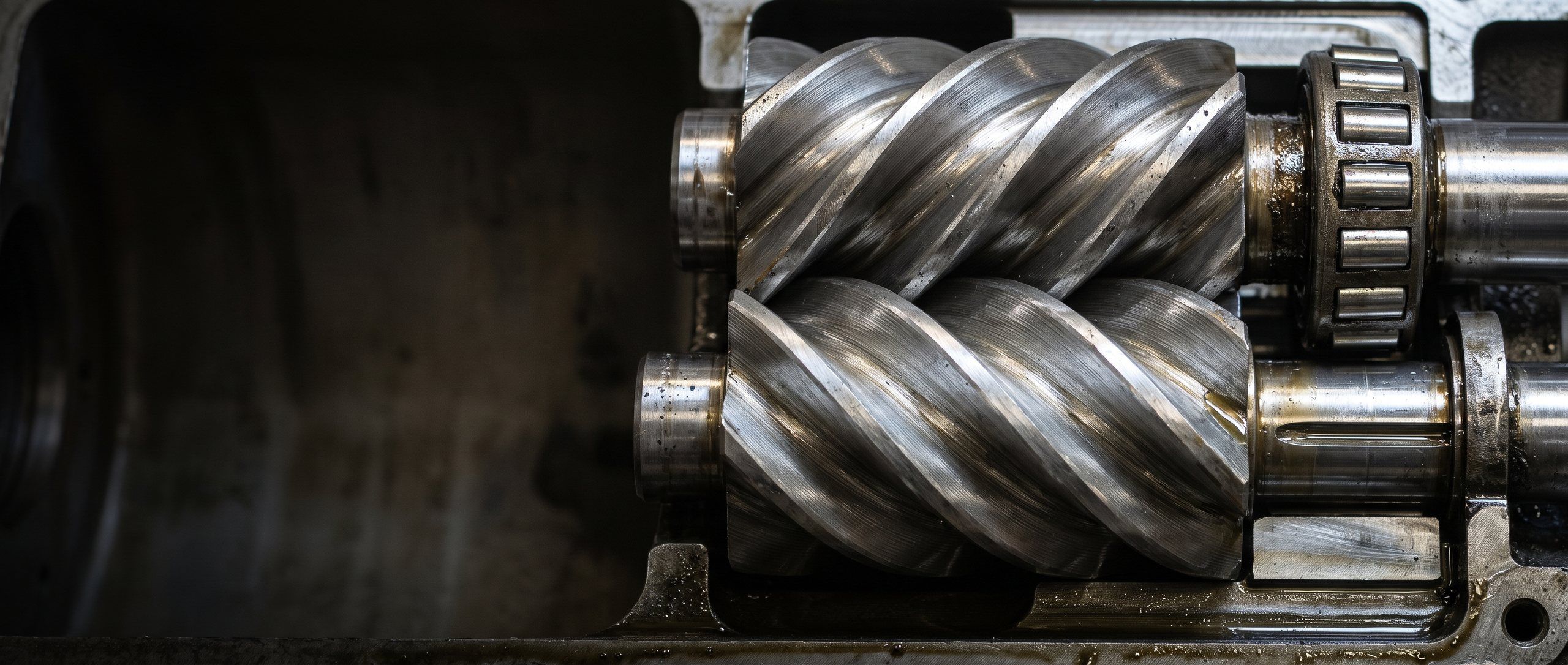
Always follow the manufacturer’s service manual. For a screw machine, the internal layout is explained in how a screw compressor works.
Are there rules of thumb for cost?
Prices vary widely by size, brand, region and condition, so any number is only a rough guide. A common rule in maintenance planning is to compare repair cost with a fraction of replacement cost, and to favor replacement when the repair approaches that fraction or the machine is near the end of its life. Treat that as a prompt to calculate, not as a law. Get written scopes from the rebuilder and the supplier of a new unit and compare them like for like, including installation, commissioning, warranty and lead time.
Frequently asked questions
How long does a rebuild take?
It depends on the machine, the shop’s workload and parts availability. A simple overhaul can take days to a few weeks. Waiting for obsolete parts or machining can take longer.
Is a remanufactured compressor as good as new?
It can be reliable if rebuilt to the manufacturer’s tolerances with new wear parts, but quality varies. Ask for the scope, test records and warranty terms.
Can I rebuild a compressor and change refrigerant?
Only if the manufacturer approves the compressor, oil and seals for the new refrigerant. Otherwise replacement is safer.
SpecServis engineers in Ukraine work on compressor overhauls. We are planning to enter the Central Texas market and are looking for technicians, partners and a company to buy. See our open positions or partnership options.