

Insights
Compressor, chiller and refrigerant guides from our engineers
Featured
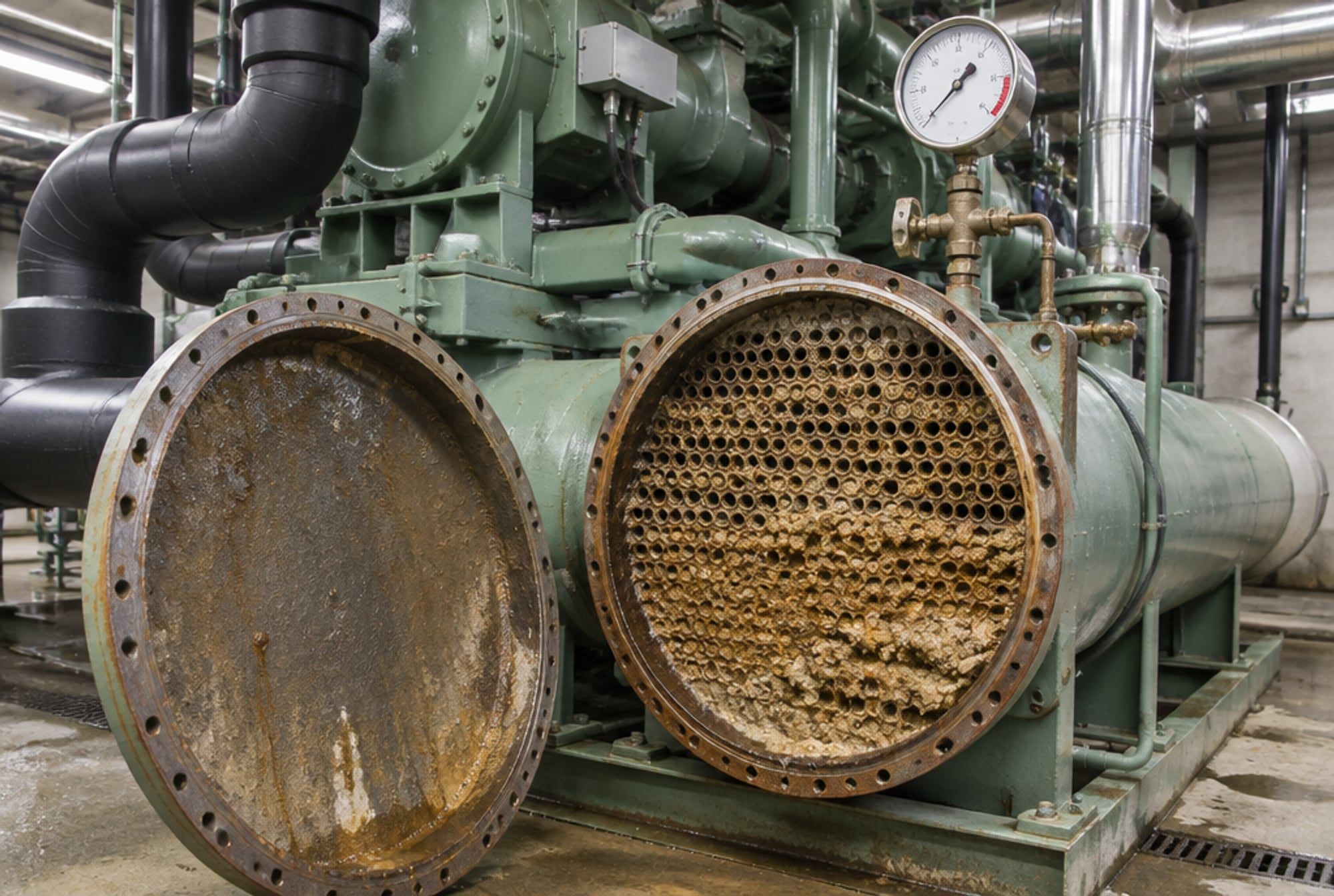
Chiller High Pressure Trips: Causes and Basic Checks
A high pressure cutout means the condenser cannot reject heat fast enough. Common causes are fouled condenser tubes or coils, failed fans or tower problems, low condenser water flow, non-condensable gas, refrigerant overcharge and hot ambient conditions. Compare condenser approach, subcooling and fan or flow status with the baseline to narrow it down.
November 9, 2026 · 7 min read
Read article →
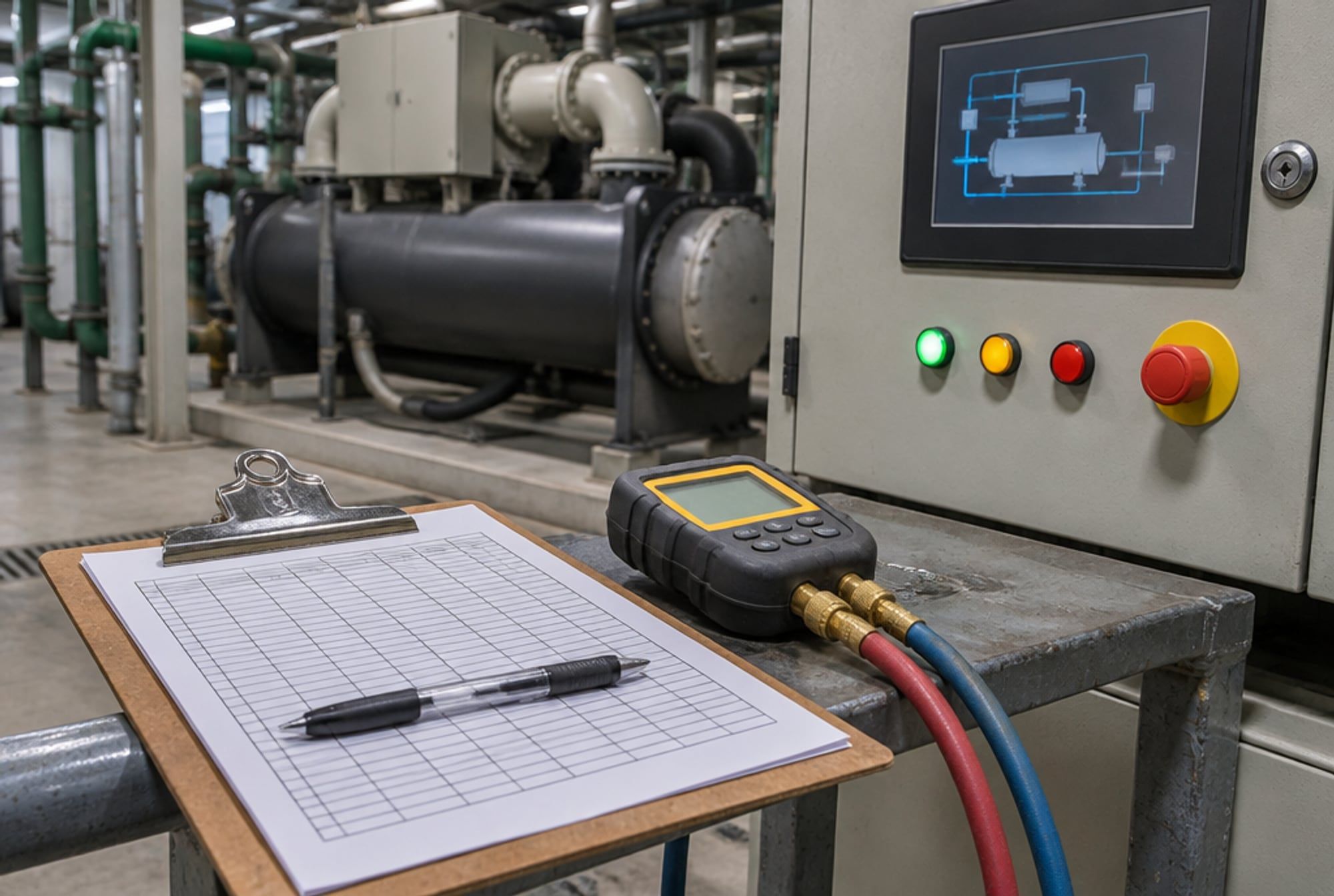
- Chillers · November 8, 2026Chiller Log Sheet: What to Record and How OftenA chiller log sheet should capture chilled and condenser water temperatures, refrigerant pressures, compressor amps, approach temperatures, superheat and subcooling, oil data and run hours at the same operating point each time. The value is in the trend: a slow drift in approach, amps or pressure shows fouling, leaks or wear weeks before an alarm does.
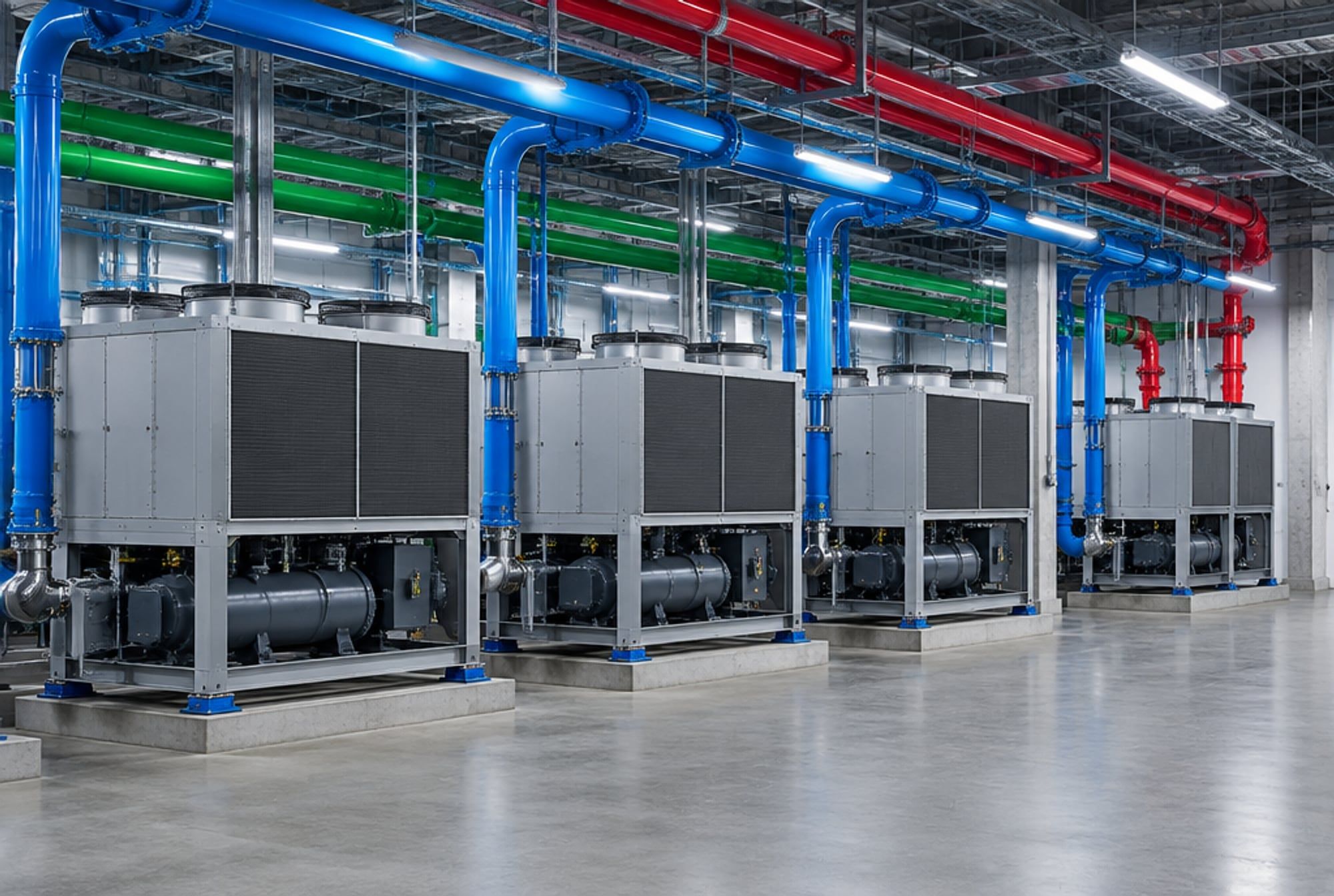
- Data centers · November 7, 2026N+1 Redundancy in Cooling Plants: N, N+1, 2N ExplainedN is the capacity needed to carry the load, N+1 adds one spare unit so the plant survives the loss of any single machine, and 2N duplicates the whole system. Concurrent maintainability means any component can be taken out for maintenance without shutting down cooling. Choose the level from the cost of downtime, not from habit.
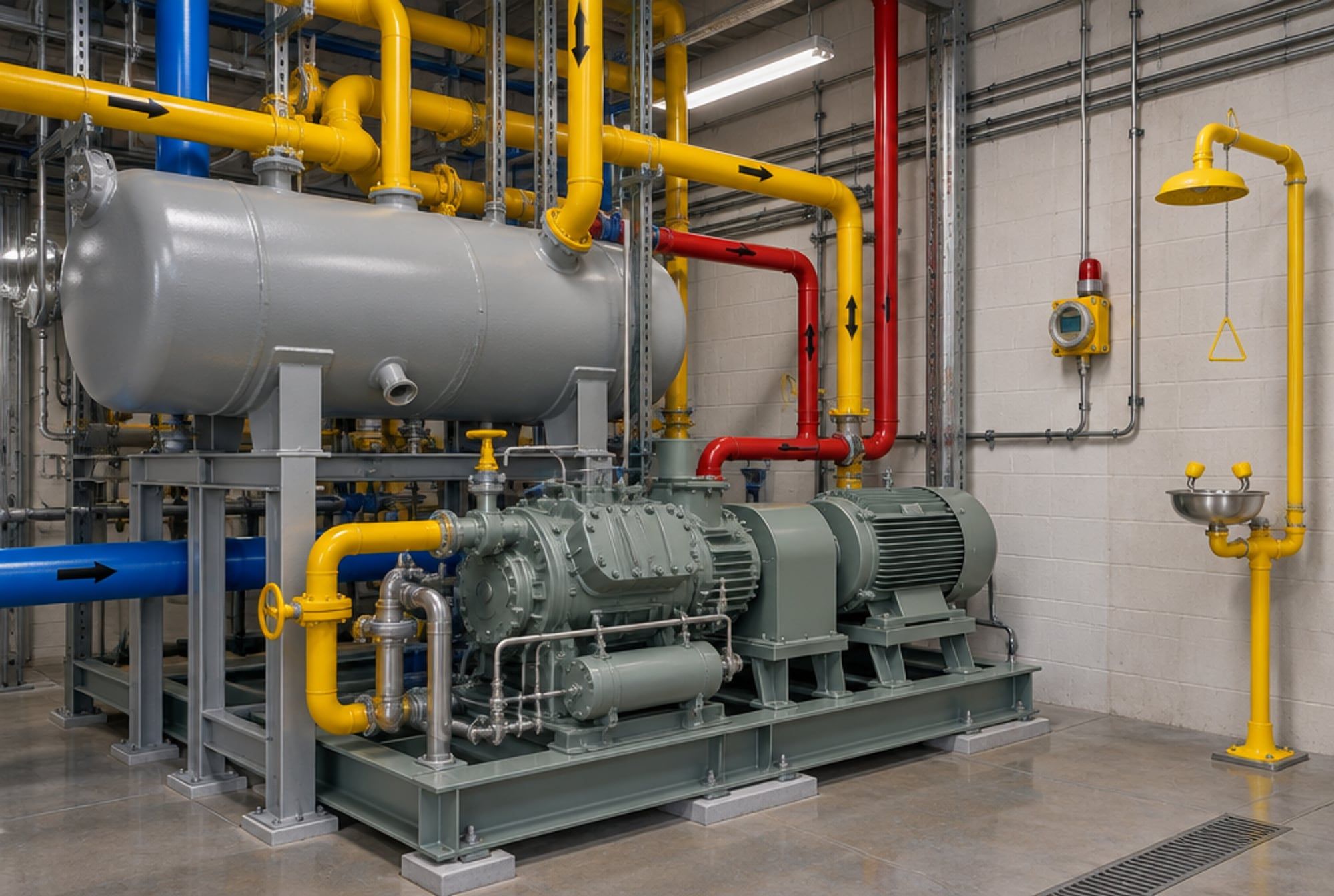
- Industrial refrigeration · November 6, 2026Ammonia (R-717) Properties and Safety BasicsAmmonia (R-717) is an efficient, low-cost natural refrigerant with a strong odor that gives early warning of a leak. It is also toxic and, in a narrow range, flammable, so safe use depends on detection, ventilation, trained people and written emergency procedures. The OSHA exposure limit is 50 ppm as an 8-hour average, and facilities should confirm all values against their safety data sheet.
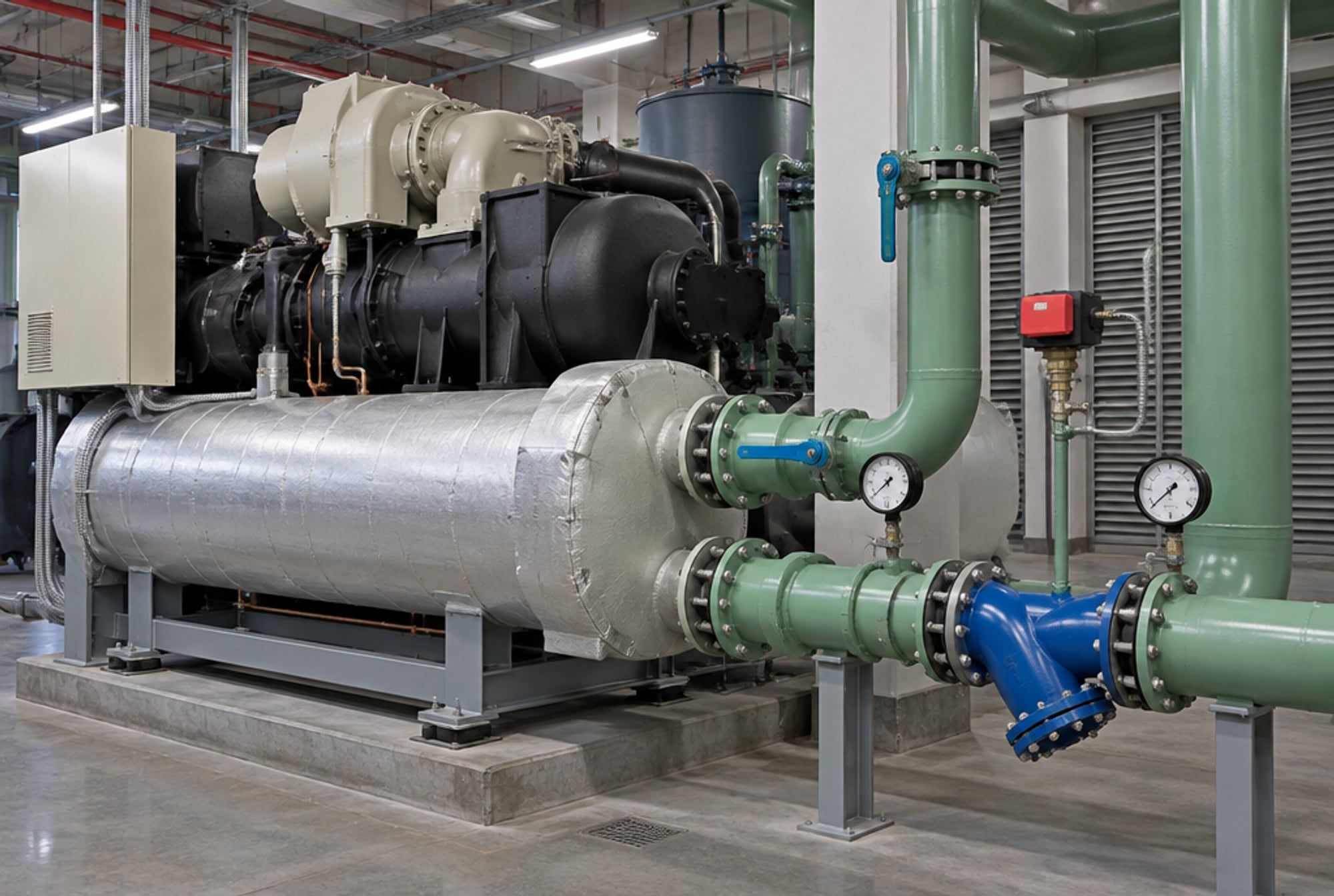
- Chillers · November 5, 2026Chiller Evaporator Freeze-Up: Causes and PreventionAn evaporator freezes when its refrigerant side runs colder than the fluid can tolerate, and ice forms inside the tubes. The usual causes are low water flow, very low load, low refrigerant charge, a setpoint too close to freezing and faulty sensors. Frozen tubes can rupture and mix refrigerant with water, so flow switches, freeze protection settings and correct glycol concentration are essential.
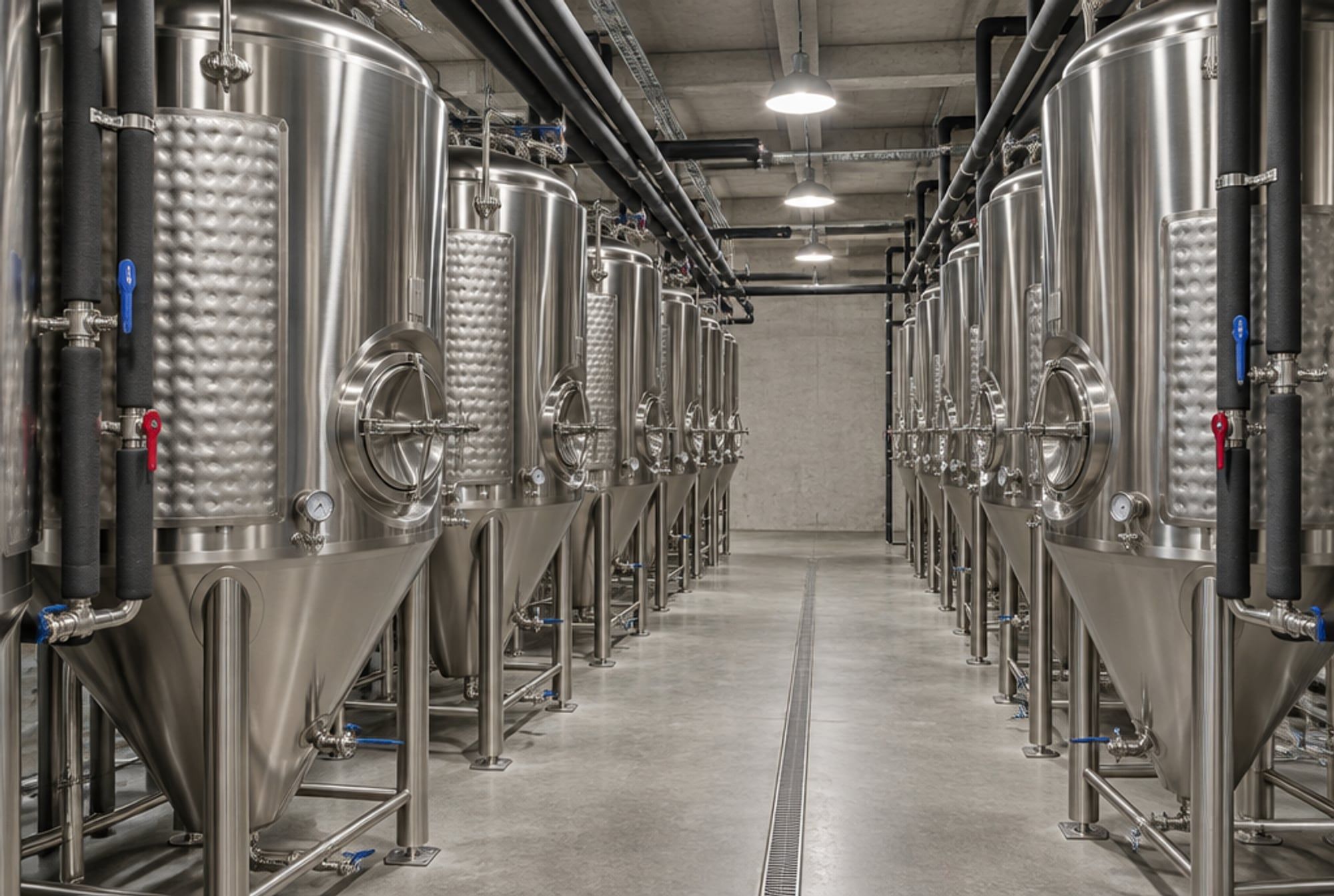
- Industrial refrigeration · November 4, 2026Brewery and Beverage Plant Glycol RefrigerationBreweries and beverage plants cool tanks and process lines with a pumped loop of propylene glycol and water, chilled below 32°F by a glycol chiller. The right design starts from the peak heat load, the coldest fluid temperature and the pump and valve controls, not from a chiller size alone. Keeping the mix at the lowest safe concentration and testing it regularly protects both efficiency and product.
- Texas licensing · November 3, 2026TACLA vs. TACLB: Which Tonnage Limit Applies?In Texas, TACLA is the Class A air conditioning and refrigeration contractor license with no capacity limit, and TACLB is the Class B license limited by equipment capacity. TDLR describes Class B as cooling systems of 25 tons or less and heating systems of 1.5 million BTU per hour or less. Always confirm the current thresholds on tdlr.texas.gov before planning work or hiring.
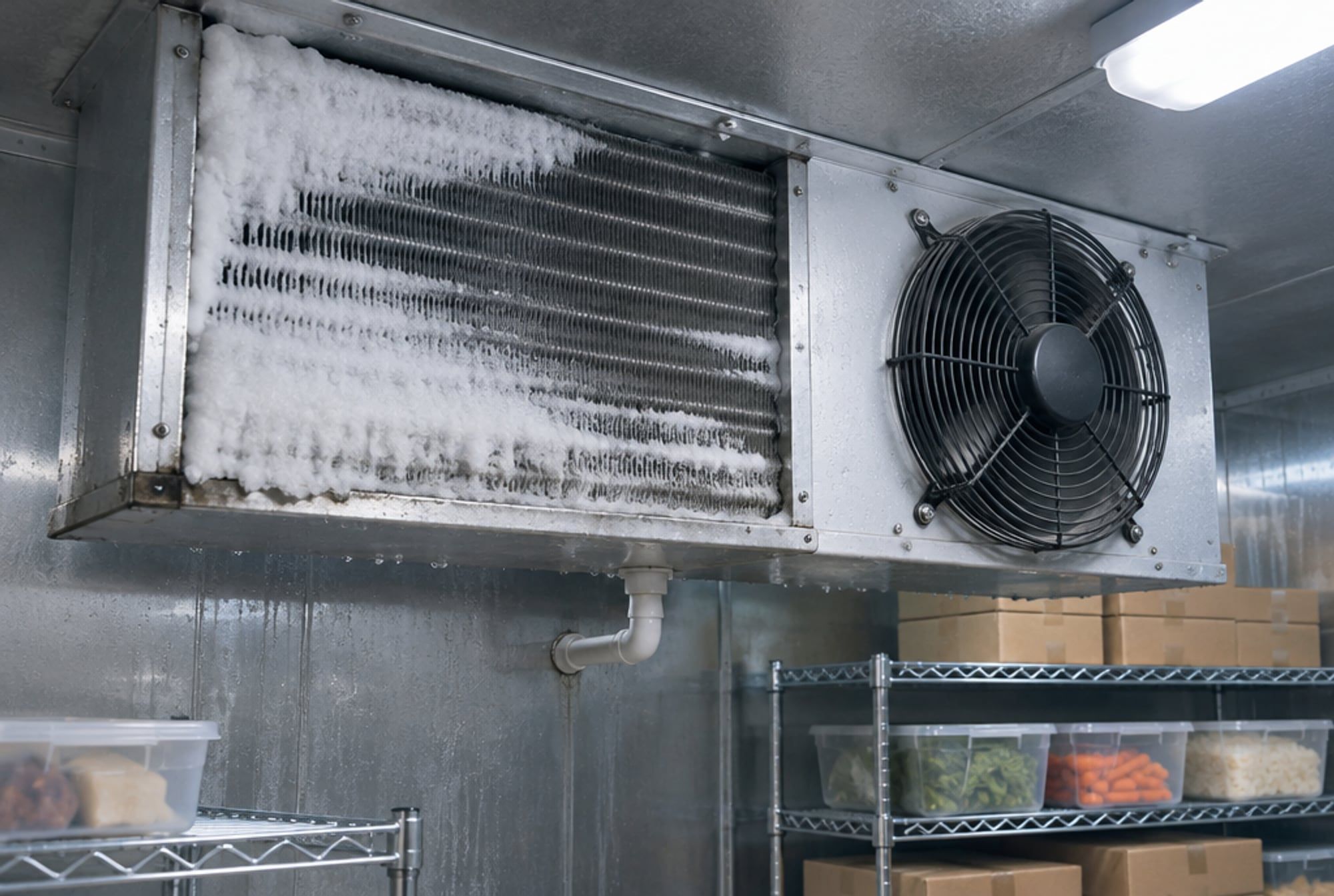
- Commercial HVAC · November 2, 2026Walk-In Cooler Not Cooling: Common Causes and ChecksA walk-in cooler that will not hold temperature usually has a dirty condenser, an iced-up evaporator, a failed fan, a worn door gasket, a defrost problem or a refrigerant leak. Owners can safely check coils, doors, airflow and basic settings, and should move product to safe storage and call a qualified refrigeration contractor for electrical, refrigerant or sealed-system faults.
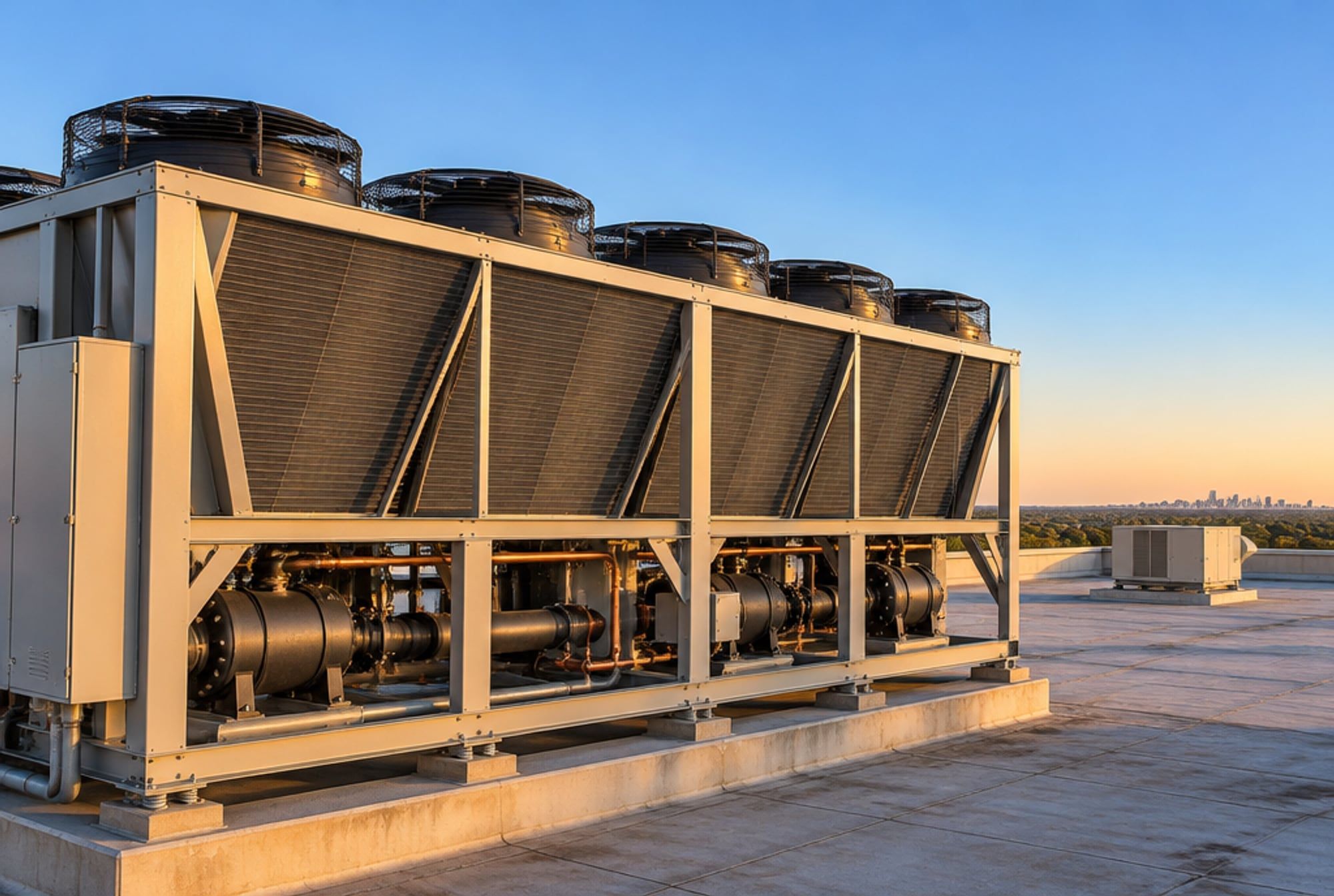
- Energy · November 1, 2026Evaporative vs Water-Cooled Condensers: Water Use in TexasEvaporative and water-cooled (cooling tower) condensers reject heat by evaporating water, which gives lower condensing temperatures and better efficiency but consumes water. Air-cooled condensers use no process water but run hotter and use more electricity in summer. Adiabatic designs pre-cool air only on the hottest hours and sit in between. The right choice balances energy, water cost, water risk and maintenance.
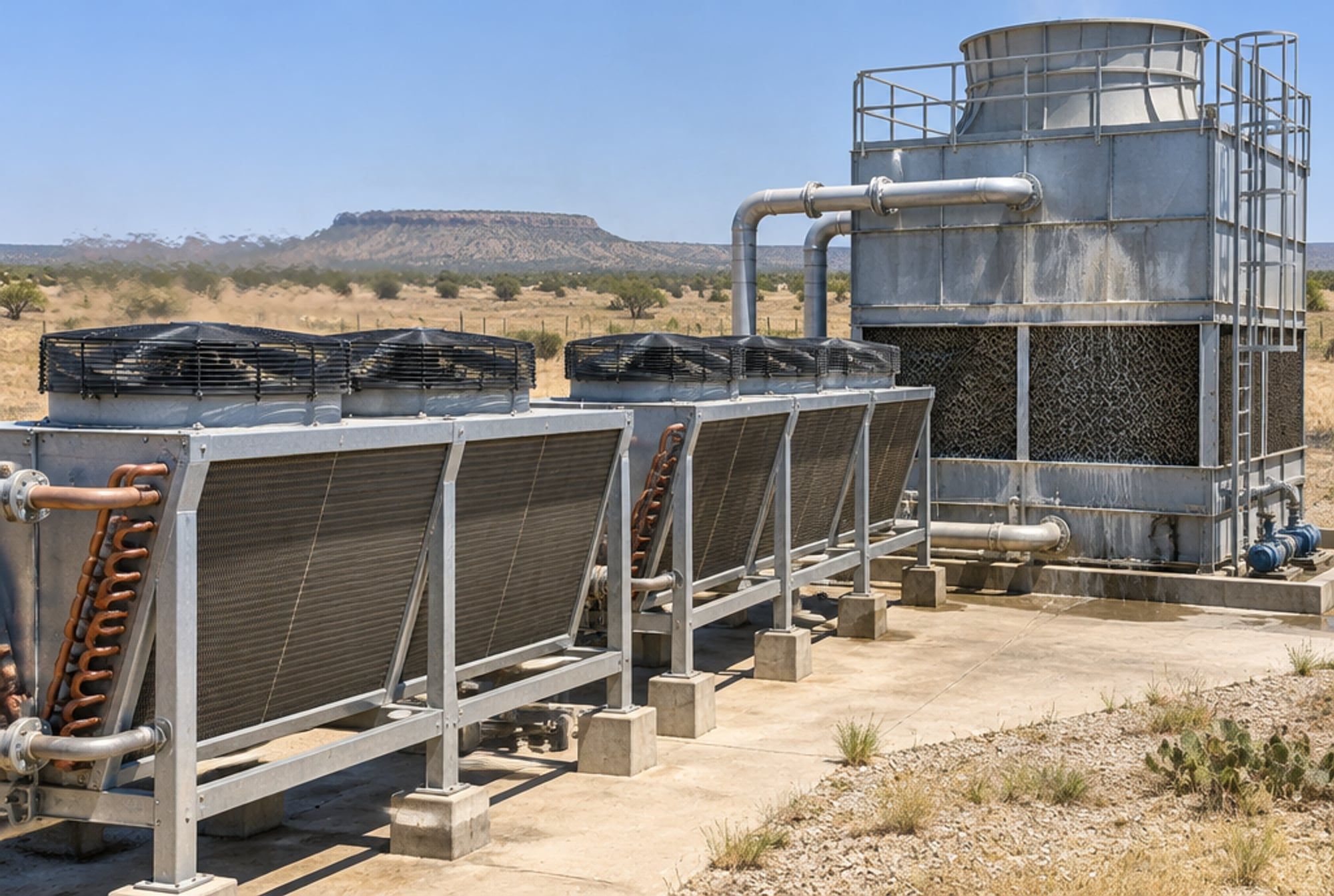
- Chillers · October 31, 2026Cooling Tower Basics: Scale, Legionella, Water TreatmentA cooling tower rejects heat from a water-cooled chiller by evaporating a small part of the circulating water. That evaporation concentrates minerals, which causes scale and corrosion, and warm water invites microbial growth including Legionella. Water treatment, regular monitoring and a written water management program keep the system efficient and lower health risk.
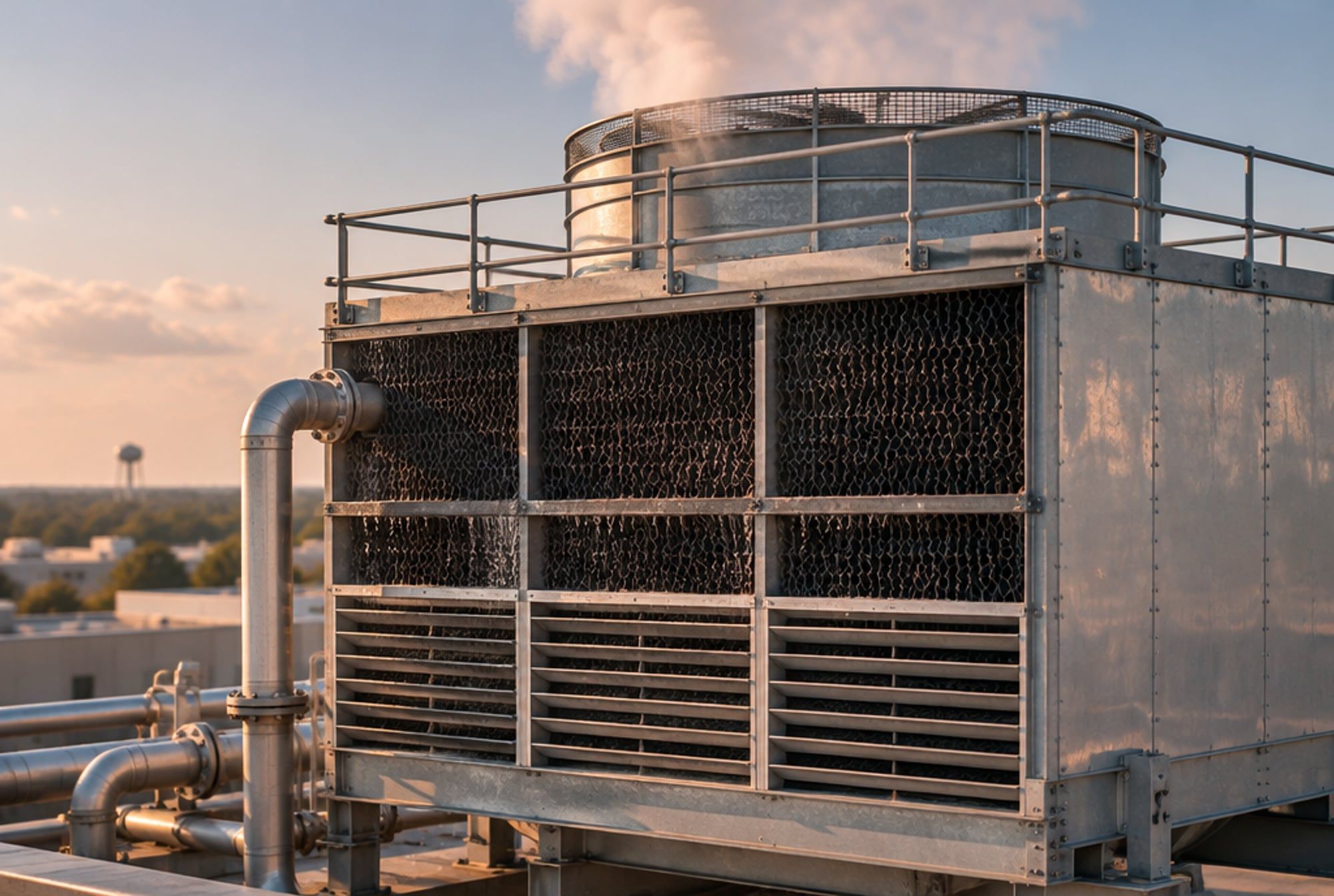
- Energy · October 30, 2026Demand Charges and Chiller Scheduling ExplainedA demand charge bills a commercial customer for its highest short-term electricity use in a billing period, not just total kilowatt-hours. Chillers are often the biggest single contributor to that peak. Careful chiller staging, setpoint and start-up strategies, load shedding and thermal energy storage can lower peaks without reducing comfort. Tariff rules differ by utility, so confirm the exact demand definition and rate with your provider.
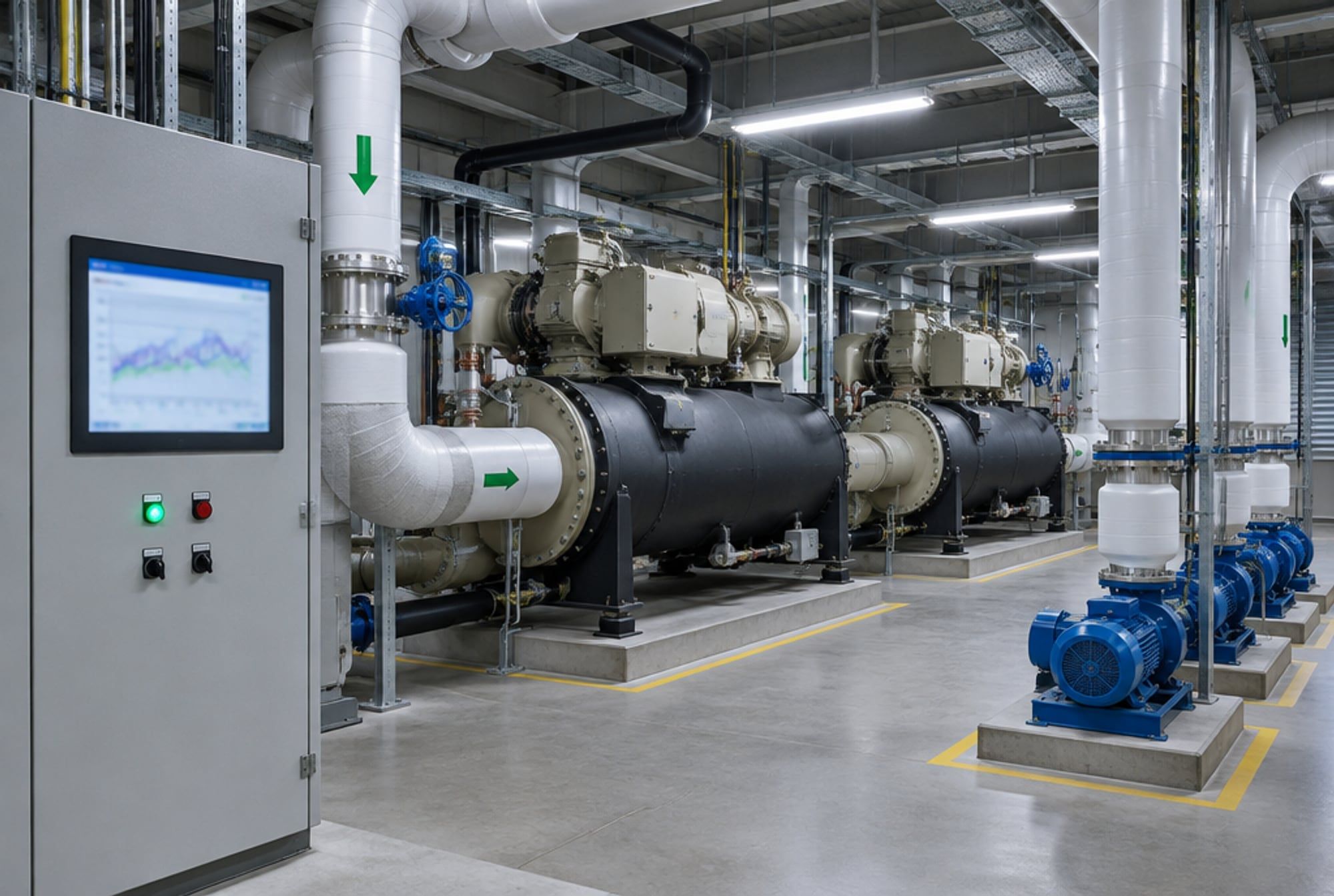
- Energy · October 29, 2026Texas Heat and Chiller Capacity: Designing for 105°FAir-cooled chillers and condensers lose capacity and efficiency as outdoor temperature rises, and Texas summers push equipment toward its limits. Designers choose design conditions, apply derating from manufacturer data, select larger condensers or water-cooled options, and sometimes add adiabatic or evaporative assist. The key is to size for realistic peak conditions plus margin, verify performance data at those conditions and plan maintenance of coils and fans.
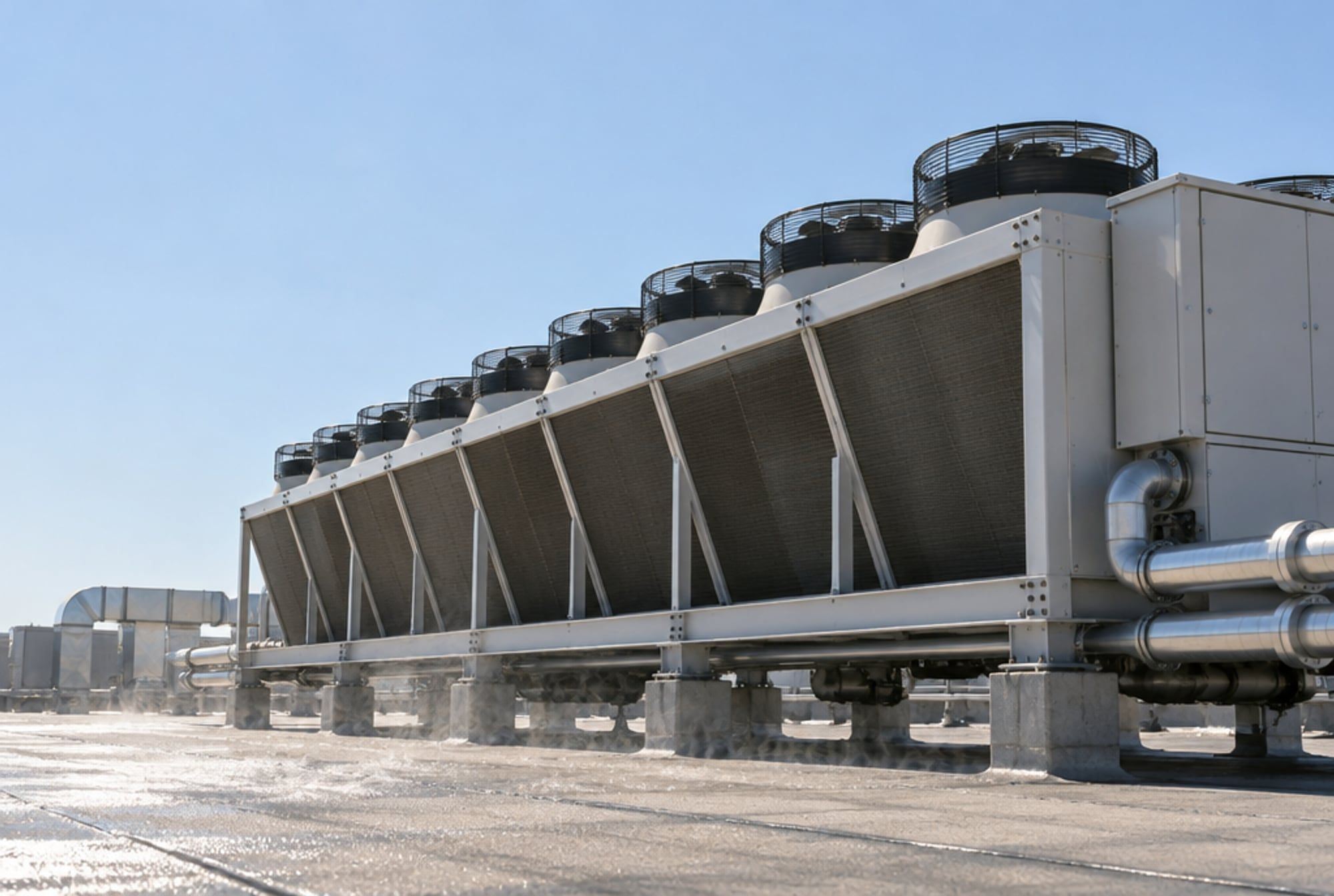
Subscribe
New articles, by email.
Let’s build it together.