

Insights
Compressor, chiller and refrigerant guides, page 5
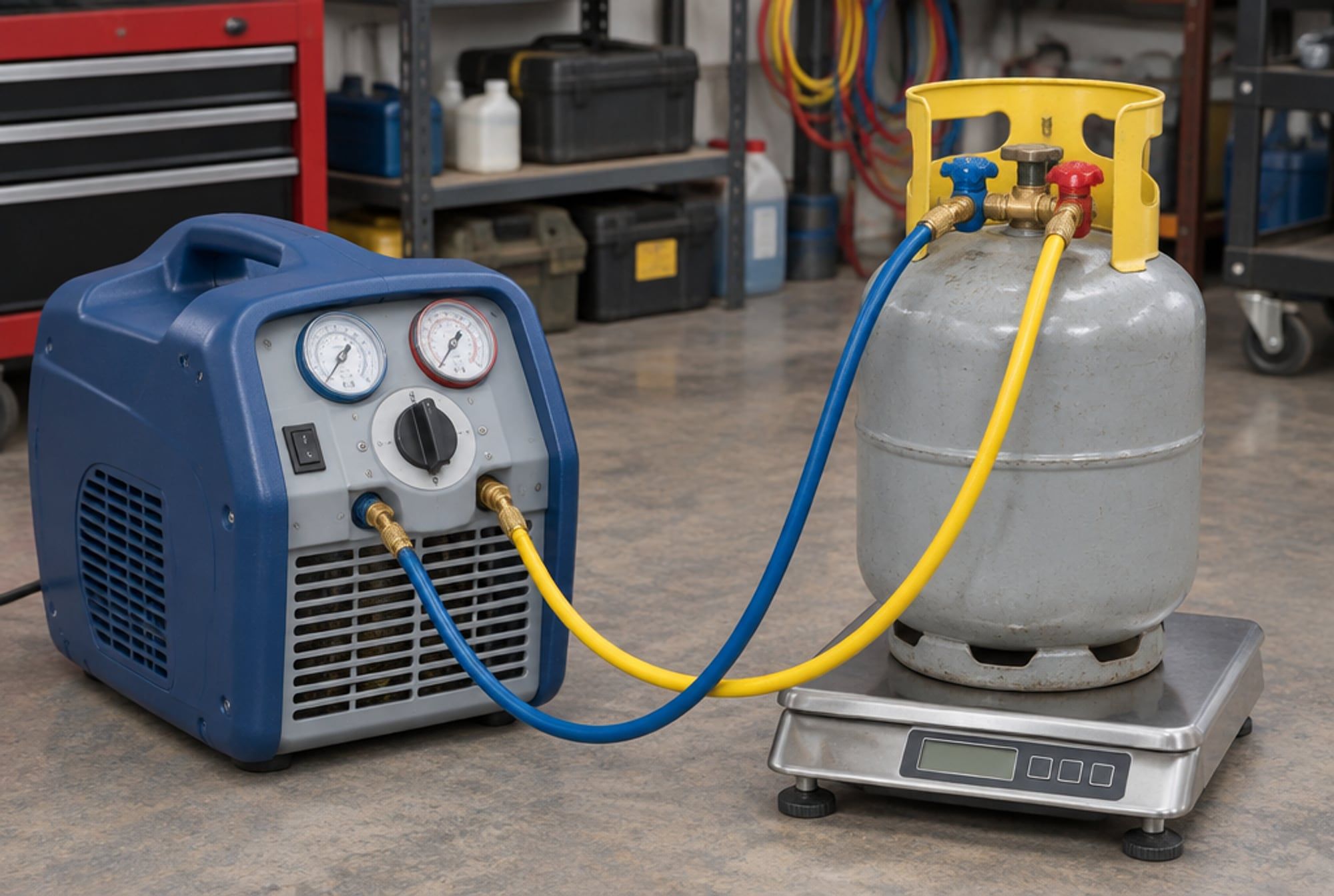
- Refrigerants · September 22, 2026Refrigerant Reclaim, Recycle and Recover ExplainedRecover means removing refrigerant from equipment into a cylinder. Recycle means cleaning it for reuse, usually on site. Reclaim means reprocessing it to the purity of AHRI Standard 700, verified by a laboratory, which only an EPA-certified reclaimer may do before the refrigerant is sold to a new owner. As HFC supply tightens under the AIM Act, reclaimed refrigerant is becoming a key service supply.
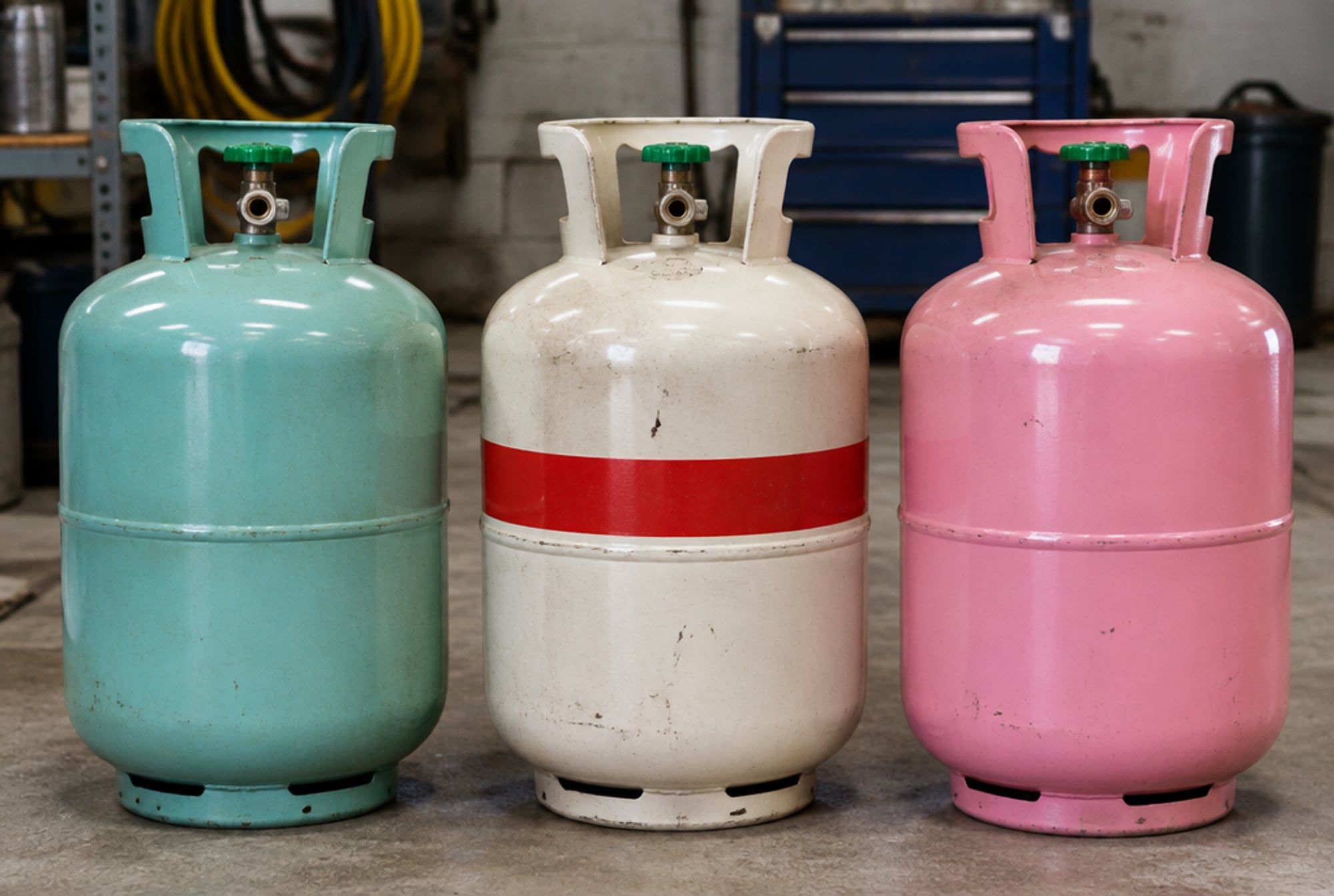
- Refrigerants · September 21, 2026R-454B vs R-32 vs R-410A: Differences ExplainedR-410A is a non-flammable HFC blend with a GWP above 2,000. R-454B and R-32 are mildly flammable A2L refrigerants with much lower GWP, used in new equipment designed for them. R-454B is a blend that runs at pressures close to R-410A; R-32 is a single-component refrigerant with higher discharge temperatures and slightly higher capacity. None can be swapped into existing R-410A equipment.
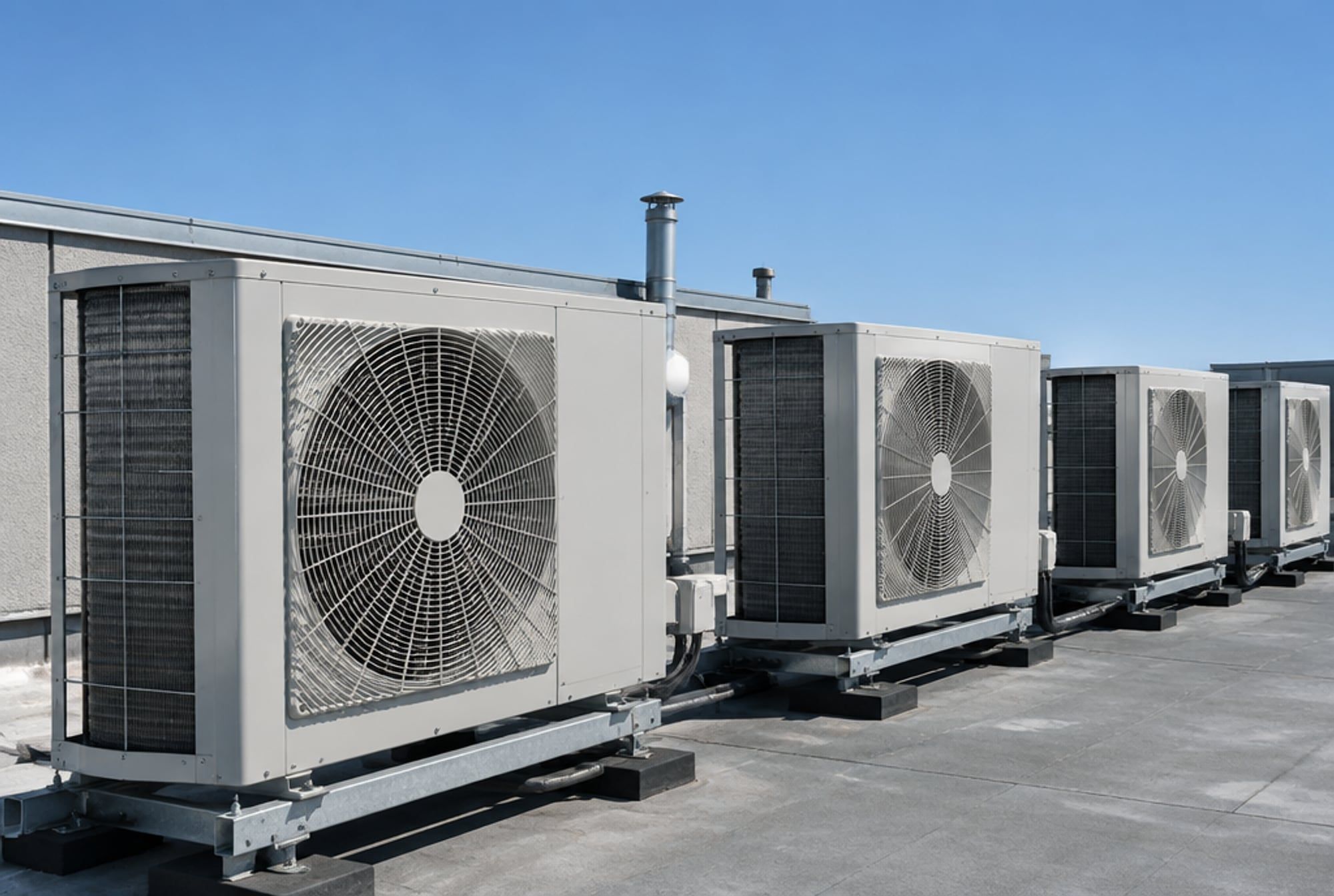
- Refrigerants · September 20, 2026R-410A Phase-Out Timeline: Existing EquipmentR-410A is being phased down, not banned. New residential and light-commercial systems stopped using it on January 1, 2025, and the AIM Act is shrinking the supply of new R-410A over time. Existing R-410A systems can still be installed from stock under some rules, run and be serviced, mostly with reclaimed or stockpiled refrigerant. The main effects are rising refrigerant cost and a move to A2L equipment.
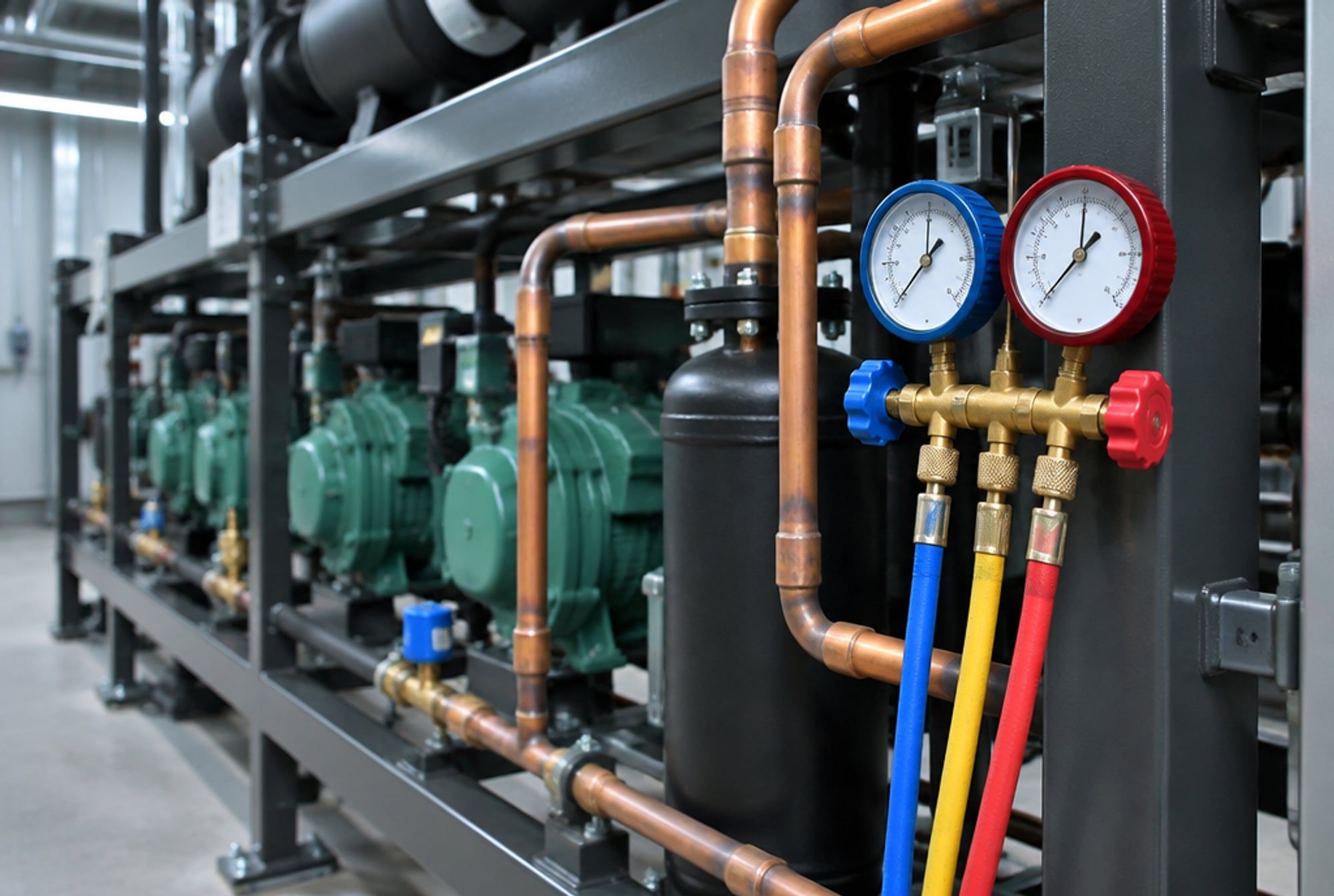
- Refrigerants · September 19, 2026R-404A Replacement: R-448A, R-449A and AlternativesR-404A has a GWP near 3,900, so new supermarket and commercial refrigeration is moving to R-448A and R-449A (GWP about 1,300 to 1,400), R-452A, or to CO2 and propane. The blends are A1 refrigerants that can often retrofit existing POE-oil systems, with changes to the filter drier, expansion valve settings and charge. Which one is allowed depends on the sector's GWP limit and your equipment's manufacturer.
- Refrigerants · September 18, 2026R-290 Propane Refrigeration: Charge Limits and SafetyR-290 is propane, a natural refrigerant with a GWP of about 3 and excellent efficiency, but it is highly flammable (ASHRAE class A3). In the United States it is accepted under EPA SNAP in specific commercial refrigeration end uses, mainly self-contained units, with charge limits set by UL 60335-2-89 (up to 500 grams in some open cases and 300 grams in closed cases). Larger or field-built systems follow different rules, and local codes decide what can be installed.
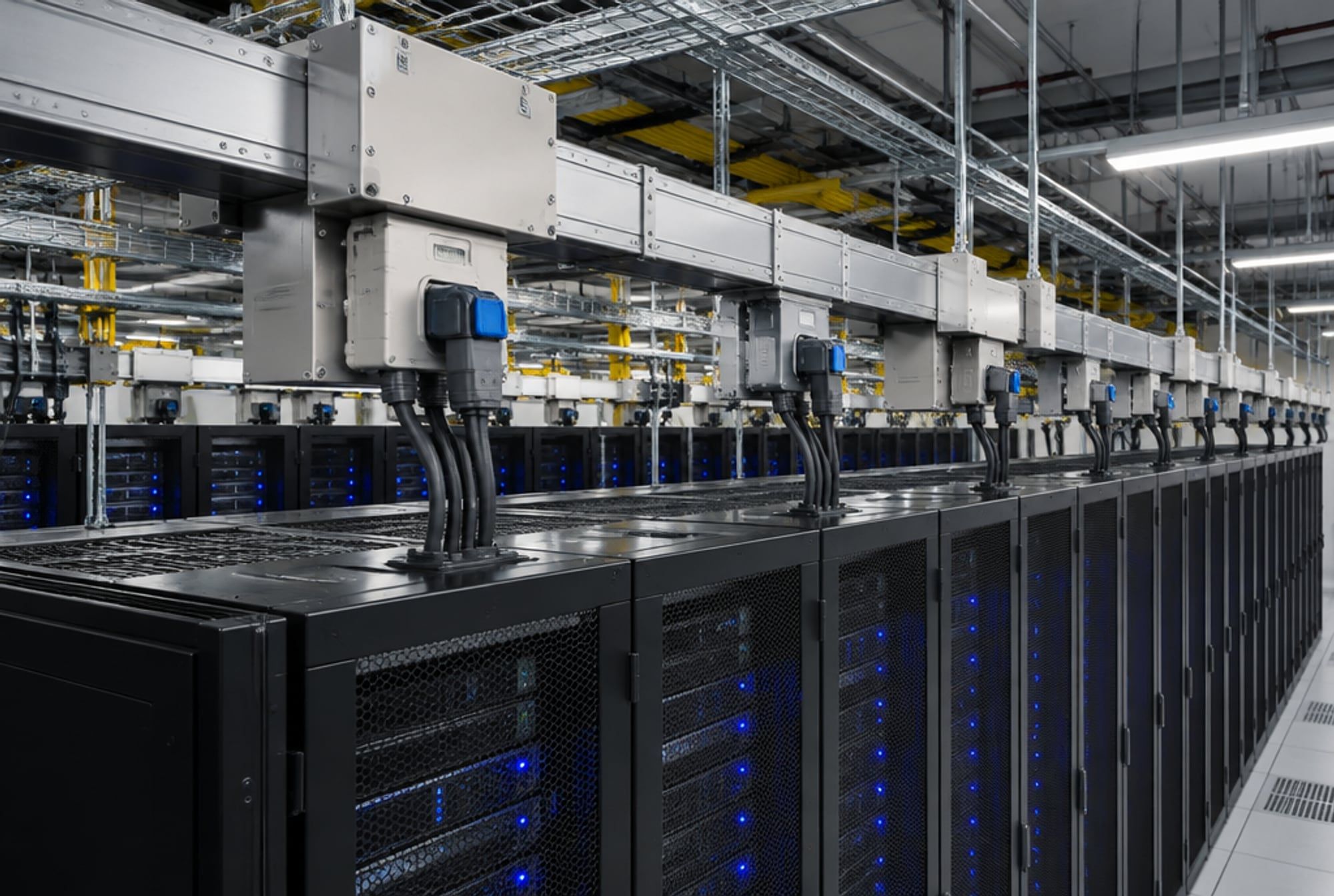
- Data centers · September 17, 2026PUE in Data Centers: What It Measures and What It MissesPower usage effectiveness (PUE) is total facility energy divided by IT equipment energy. A PUE of 1.0 would mean all power reaches the servers; Uptime Institute's 2025 survey put the global average at about 1.54, while hyperscale operators report roughly 1.1 to 1.15. Cooling is usually the largest overhead, but PUE ignores water use and IT efficiency, so it should be read together with WUE.
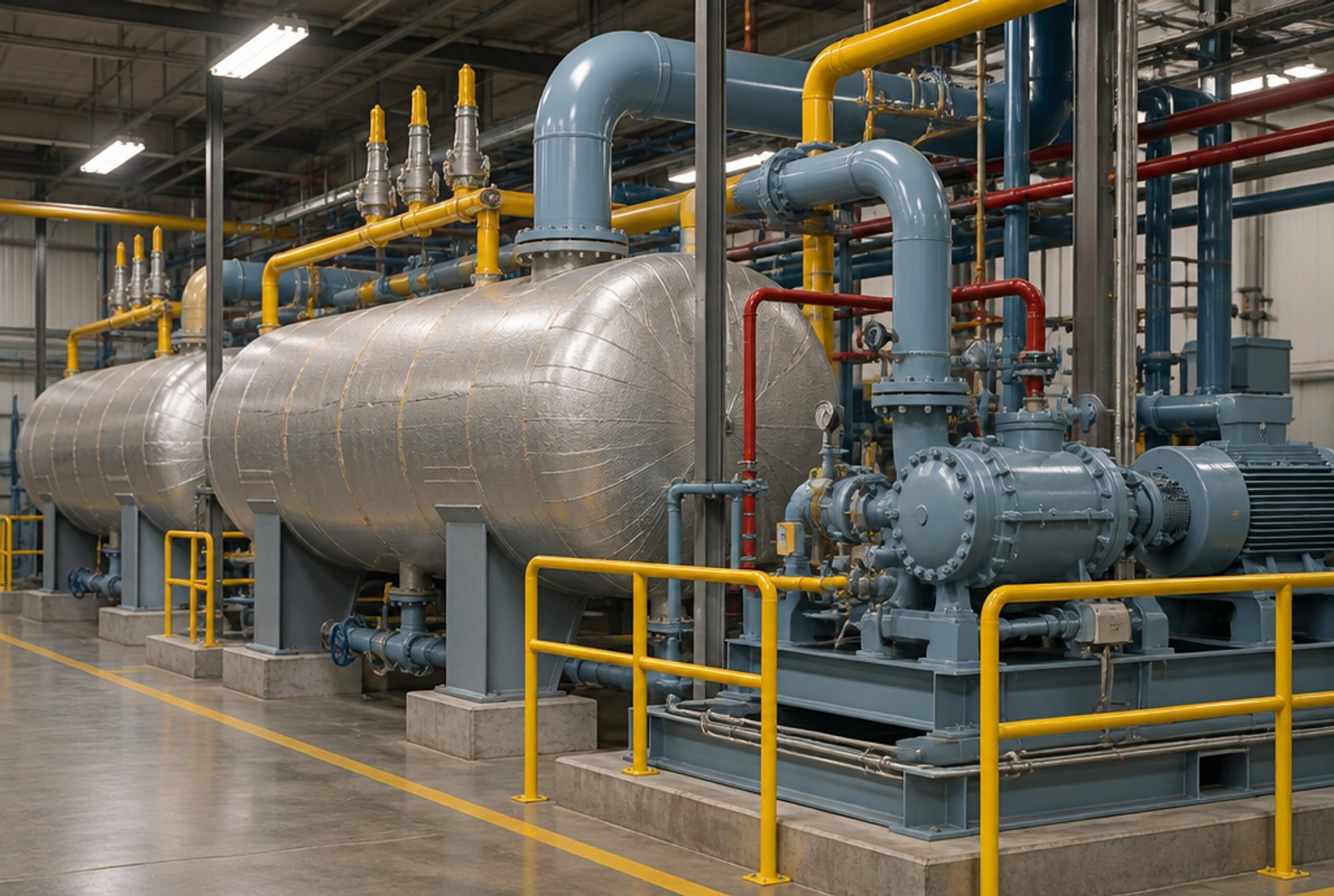
- Industrial refrigeration · September 16, 2026OSHA PSM and EPA RMP for Ammonia Facilities ExplainedOSHA's Process Safety Management standard (PSM) protects workers at facilities that handle large quantities of highly hazardous chemicals, and EPA's Risk Management Program (RMP) protects the community and environment around them. Anhydrous ammonia refrigeration systems above the threshold quantity fall under both. The two programs share many elements, so most facilities run one combined management system. Thresholds and EPA's proposed 2026 changes must be checked against the current rule text.
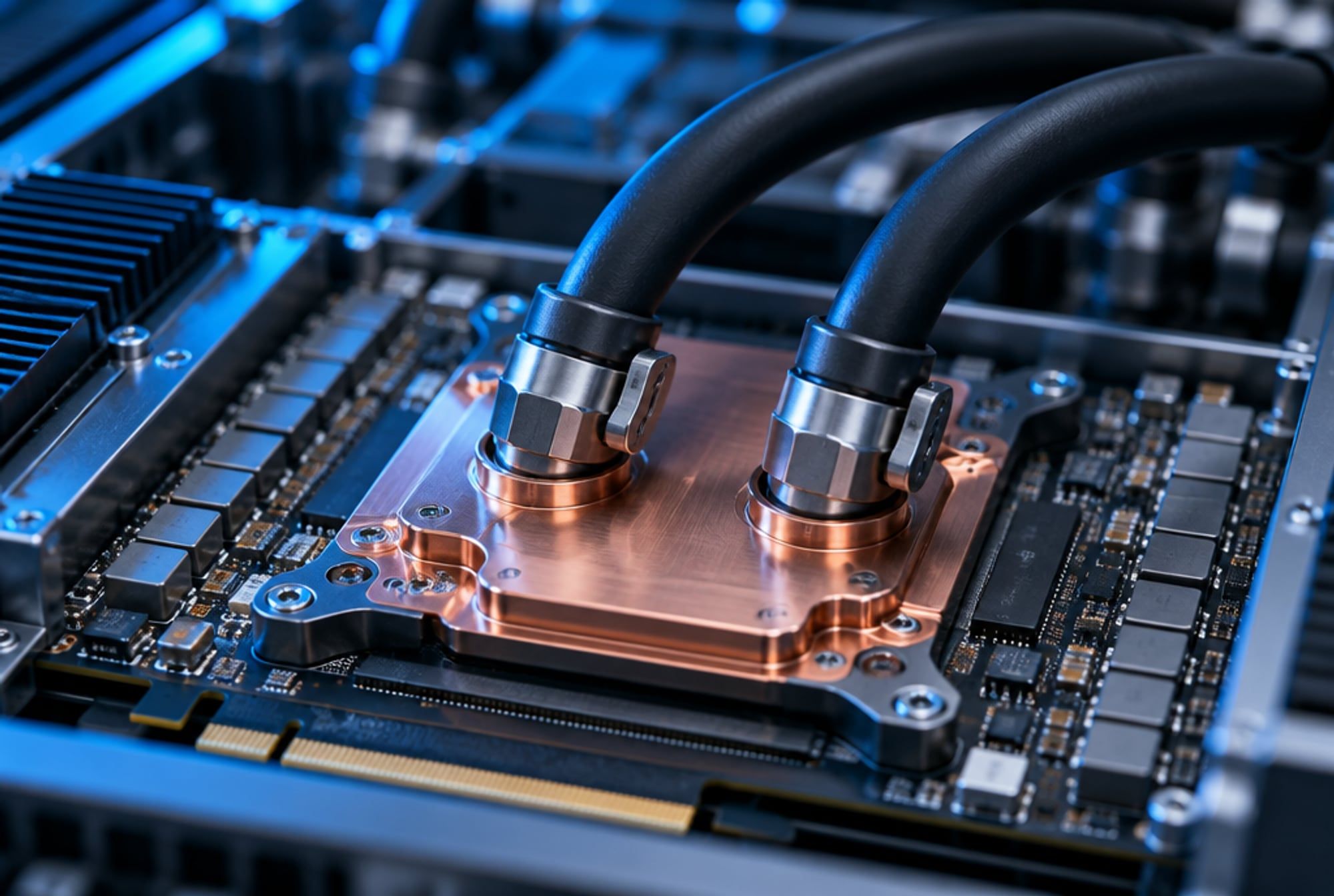
- Data centers · September 15, 2026Liquid Cooling for AI Data Centers: Types ExplainedLiquid cooling removes heat with fluid at the chip or rack instead of moving large volumes of air. The main types are direct-to-chip cold plates, rear-door heat exchangers and immersion. AI racks that exceed what air can handle drive adoption, and the liquid loop still needs a plant that rejects heat, usually chillers or dry coolers.
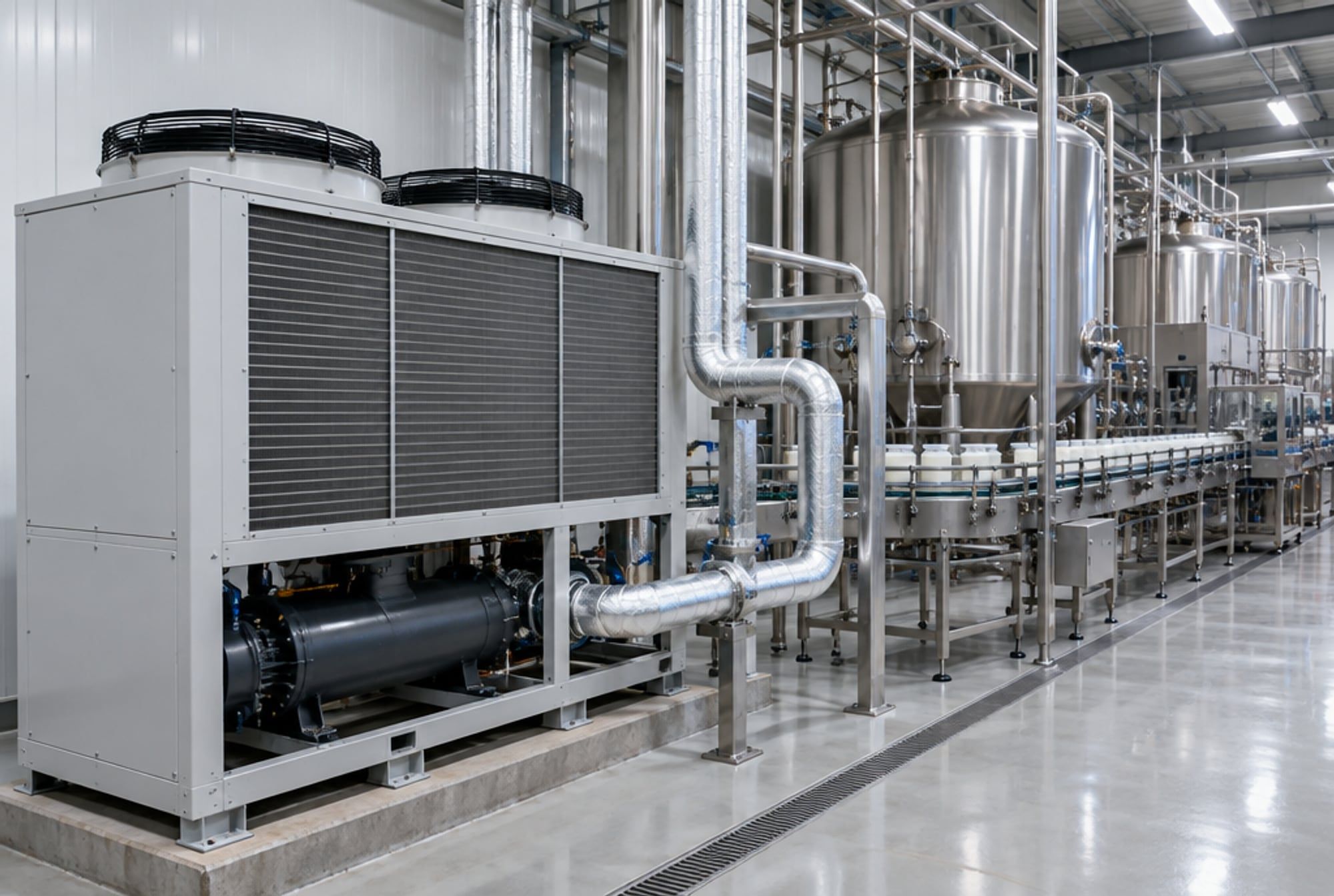
- Chillers · September 14, 2026Industrial Chillers: Types and How to Choose OneAn industrial chiller cools process fluid for manufacturing, food and beverage, plastics, pharmaceuticals and similar uses. Selection starts with the heat load, required fluid temperature and flow, then the ambient conditions, condenser type, compressor type, refrigerant and redundancy. Glycol, duty cycle and future expansion change the answer more than nameplate tonnage alone.
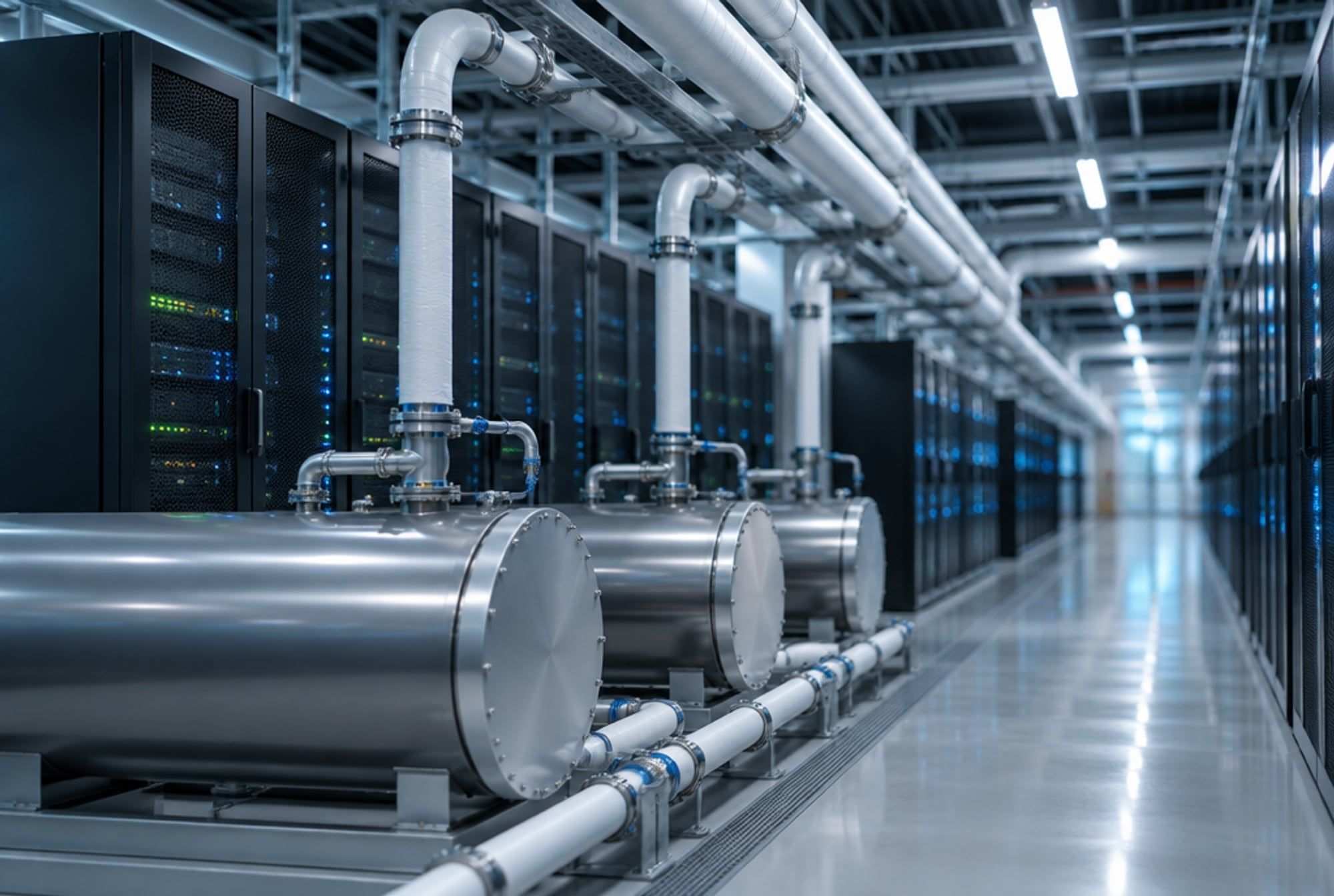
- Data centers · September 13, 2026Immersion Cooling for Data Centers: How It WorksImmersion cooling submerges servers in a dielectric fluid that absorbs heat directly. Single-phase systems pump the fluid through a heat exchanger; two-phase systems let it boil and condense. It removes most fans and handles very dense racks, but it changes hardware, service and fluid handling, and the heat still has to be rejected by chillers or dry coolers.
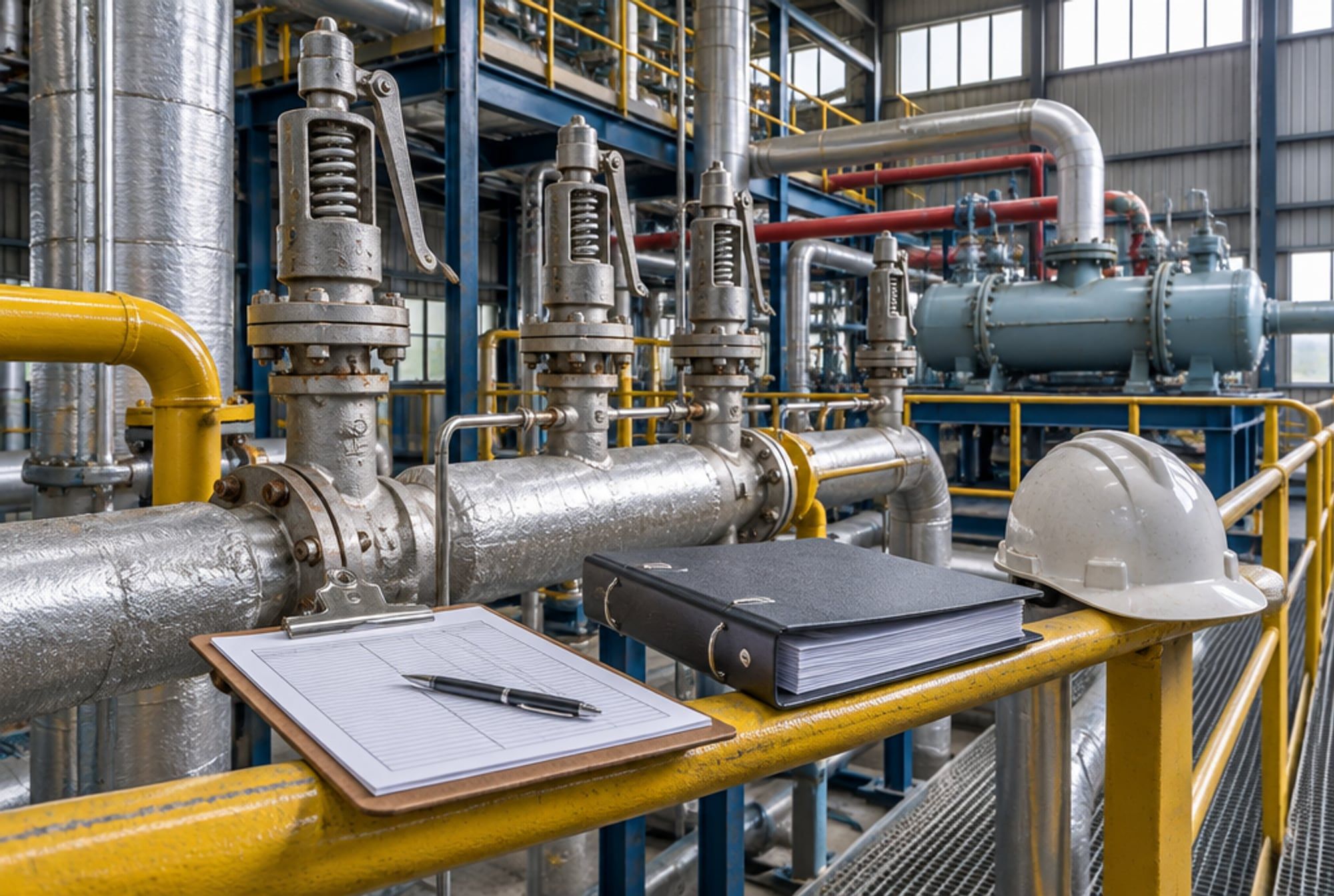
- Industrial refrigeration · September 12, 2026IIAR 2 and IIAR 6 Standards Explained for Ammonia SystemsIIAR 2 is the American National Standard for the safe design of closed-circuit ammonia refrigeration systems, and IIAR 6 is the standard for inspection, testing and maintenance of those systems. They are published by the International Institute of Ammonia Refrigeration. Owners, engineers and contractors use them as recognized and generally accepted good engineering practice, and they support OSHA Process Safety Management mechanical integrity programs.
- Business · September 11, 2026How to Value an HVAC Business Before SellingSmall HVAC and refrigeration companies are usually valued as a multiple of earnings: seller's discretionary earnings (SDE) for owner-operated firms and EBITDA for larger ones. The multiple depends on recurring service-agreement revenue, technician bench, equipment, customer concentration and, in Texas, whether the TDLR license holder stays. This article explains the method and does not predict a price.
Subscribe
New articles, by email.
Let’s build it together.