

Insights
Compressor, chiller and refrigerant guides, page 2
- Refrigerants · October 28, 2026Supermarket Refrigeration: GWP Limits and OptionsEPA's Technology Transitions rule sets global warming potential (GWP) limits for new commercial refrigeration equipment, including supermarket systems, with compliance dates clustered around the start of 2027. Operators generally choose between CO2 systems, low-GWP HFC blend racks, and self-contained cases using propane. Each option has different cost, efficiency, safety and service implications. Dates and categories are technical, so confirm them with EPA before making decisions.
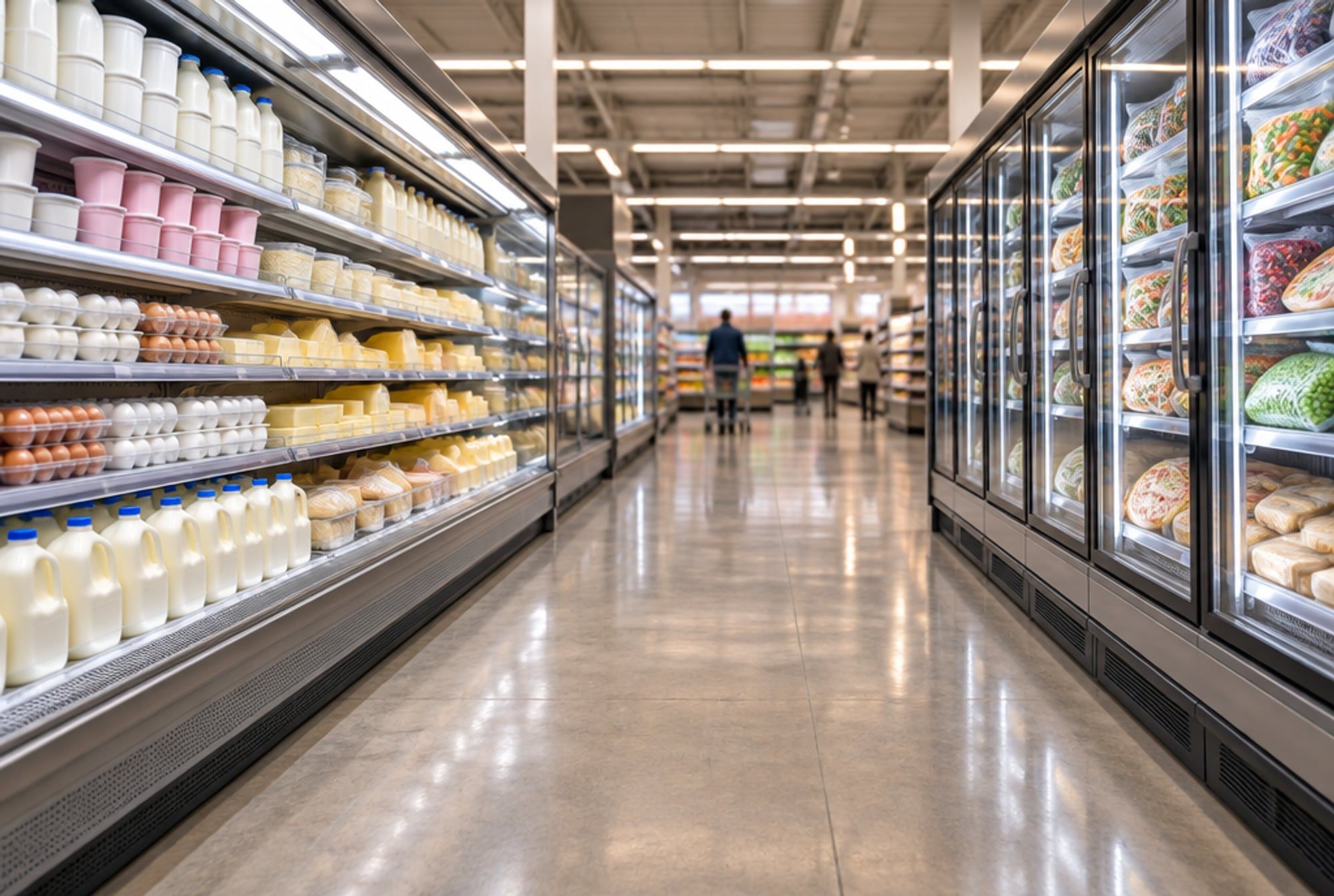
- Commercial HVAC · October 27, 2026Refrigeration Rack vs Condensing Unit: How to ChooseA refrigeration rack groups several compressors on one frame to serve many cases and coolers through shared piping, while a condensing unit pairs a compressor and condenser to serve one or a few loads. Racks tend to be more efficient and easier to control at scale but hold more refrigerant and a bigger failure risk. Condensing units are simpler and isolate failures but multiply equipment. Refrigerant rules and site size should guide the choice.
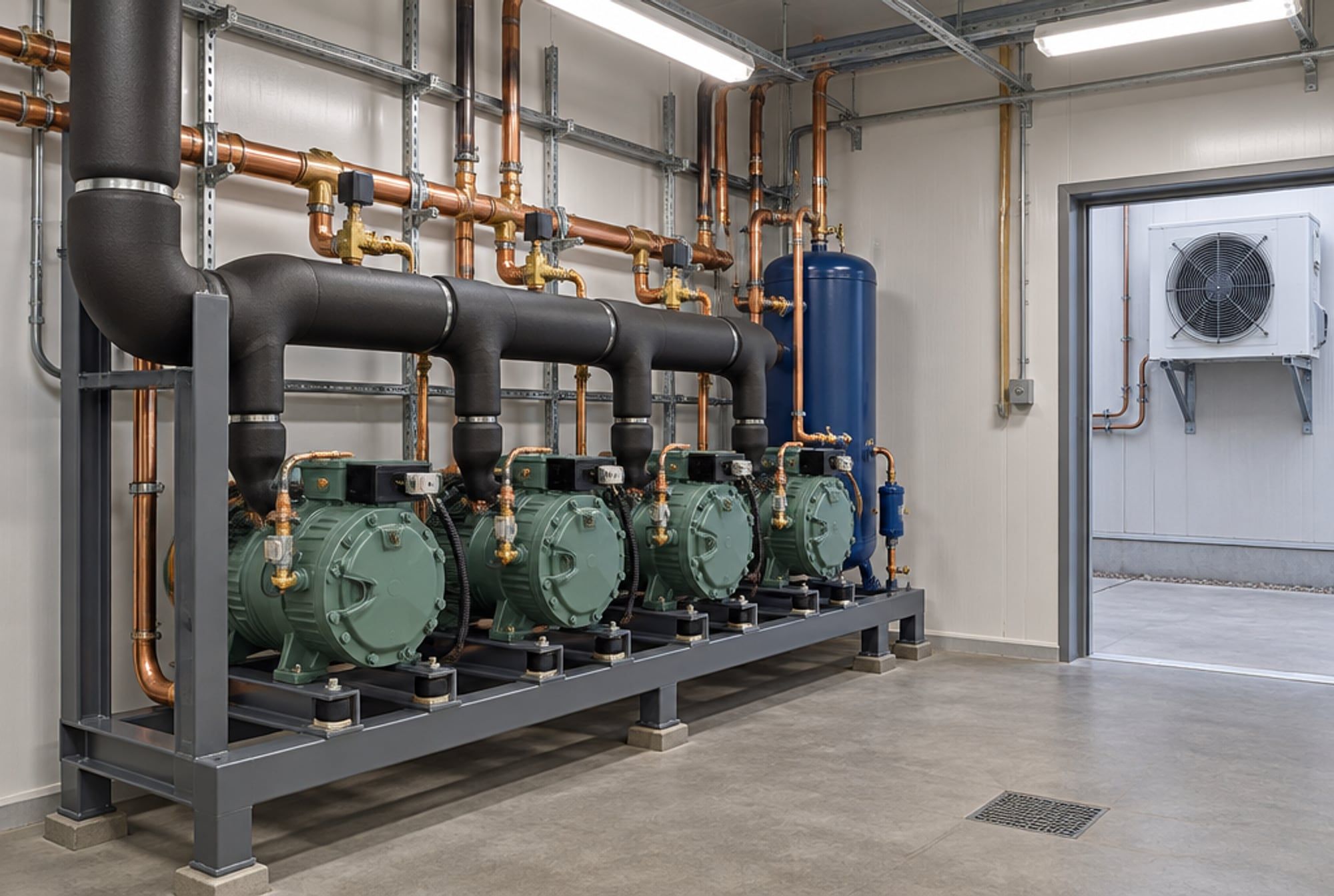
- Commercial HVAC · October 26, 2026VRF vs Chilled Water vs RTU for Commercial BuildingsVRF, chilled water and rooftop units are the three most common ways to cool a commercial building. RTUs are simple and cheap for single-story buildings, VRF suits mid-size buildings that need zone-by-zone control and heat recovery, and chilled water suits large or complex buildings with long lives and high loads. Each carries different refrigerant exposure, so the choice should follow building size, zoning, maintenance capability and current EPA and Texas code requirements.

- Chillers · October 25, 2026Chiller Plant Control Basics: Staging, Reset, Lead/LagA chiller plant controller decides how many chillers, pumps and towers run, and at what setpoints. The core functions are staging chillers on and off against load, rotating the lead and lag machines, resetting chilled water supply temperature, controlling variable flow and sharing data with the building automation system. Good control often saves more energy than a new chiller, and poor control wastes it.
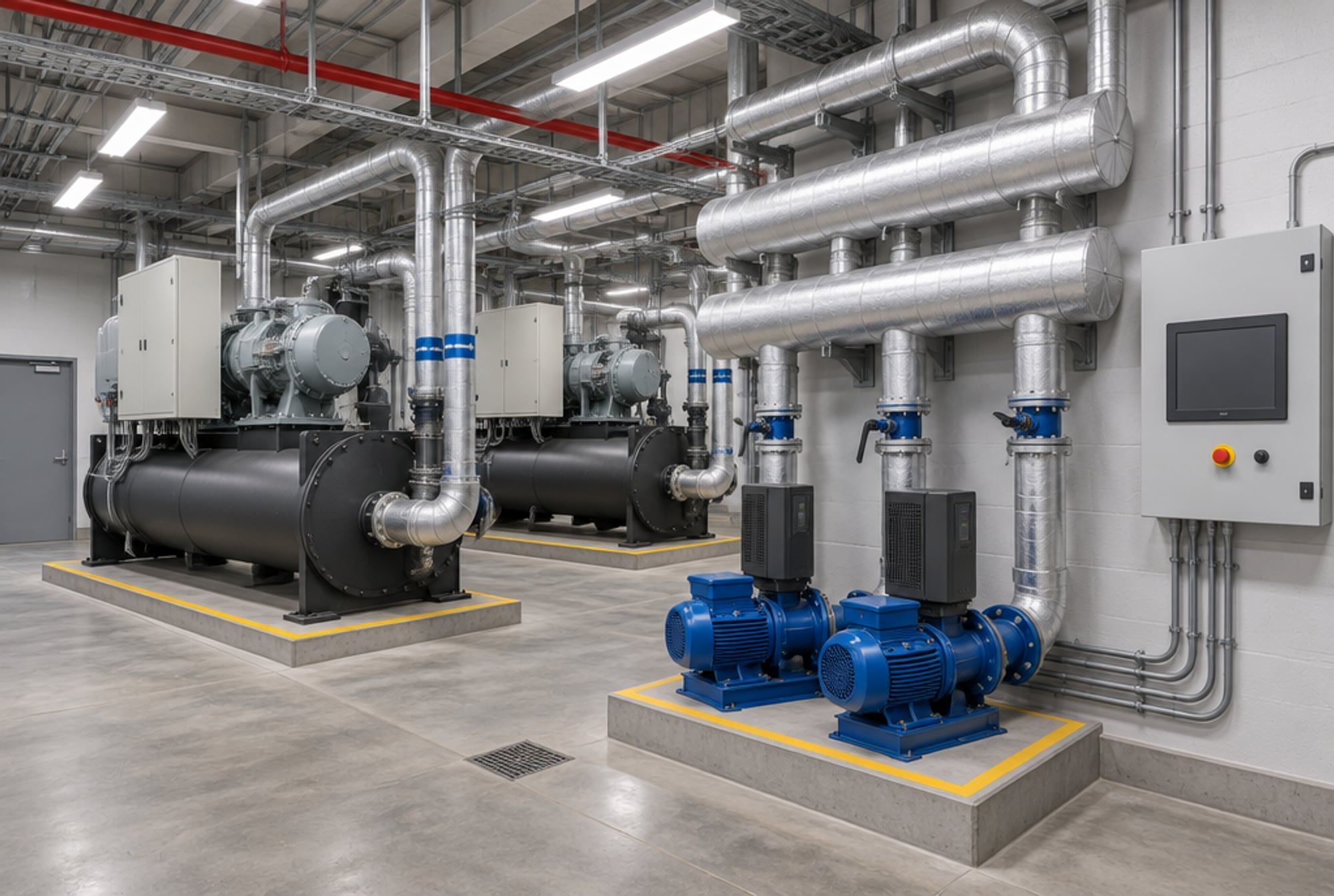
- Compressors · October 24, 2026Copeland Compressors Explained: Scroll and Semi-HermeticCopeland is a major compressor brand in air conditioning and refrigeration. Its main families are scroll compressors, including digital and variable-speed types, and semi-hermetic reciprocating compressors, with additional screw and larger products in the wider range. To identify one, read the nameplate: the model number, serial number, refrigerant and electrical data. Always confirm exact meaning in current Copeland literature, because coding and product names change.
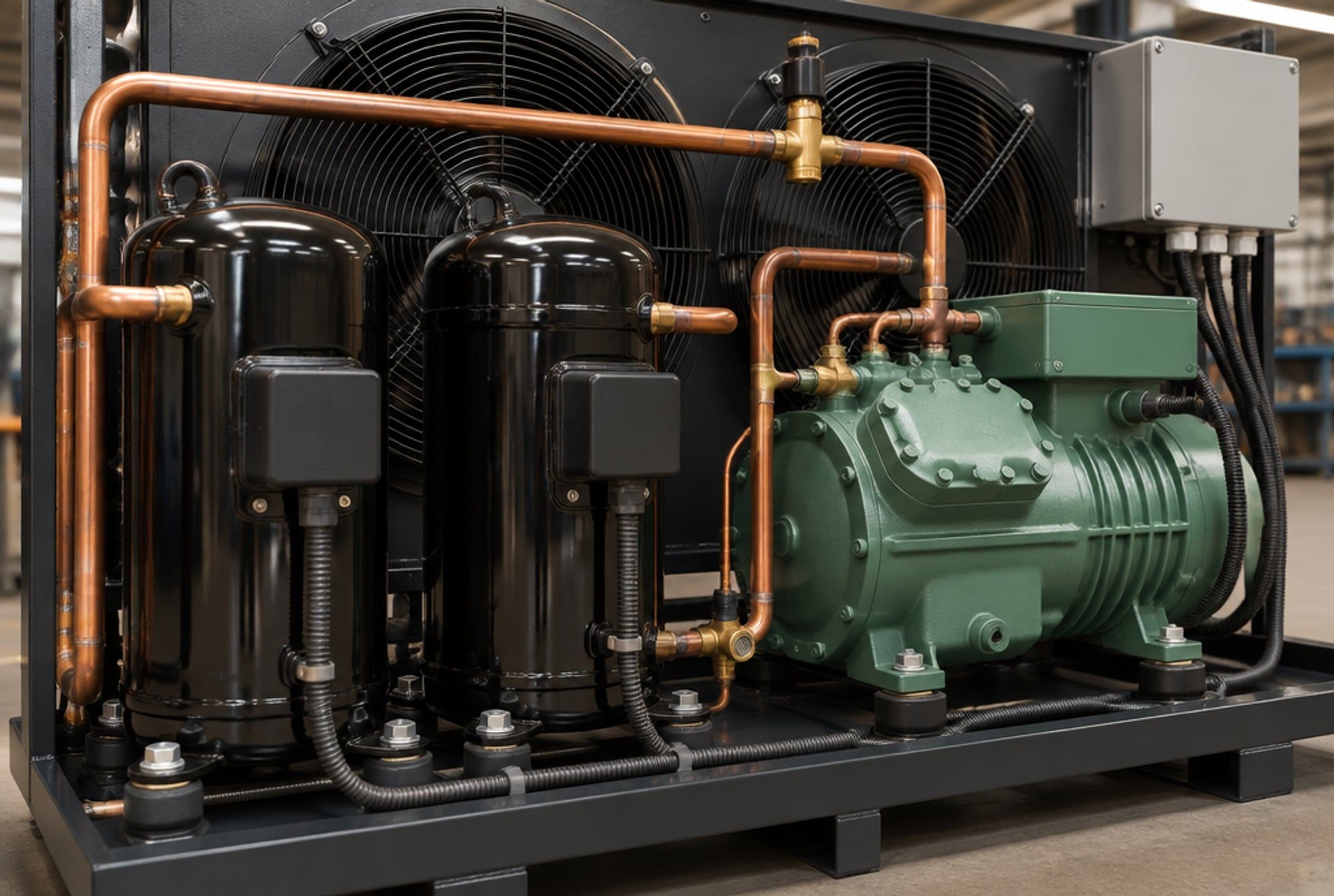
- Compressors · October 23, 2026Compressor Liquid Slugging and Flooded Starts ExplainedLiquid slugging happens when liquid refrigerant or oil enters a compressor's compression chamber, where it cannot be compressed. A flooded start is the related case where refrigerant migrates into the crankcase during shutdown, dilutes the oil and foams at startup. Both break valves, rods, scrolls and bearings. Prevention relies on proper superheat, crankcase heaters, pump-down control, suction accumulators and correct piping.
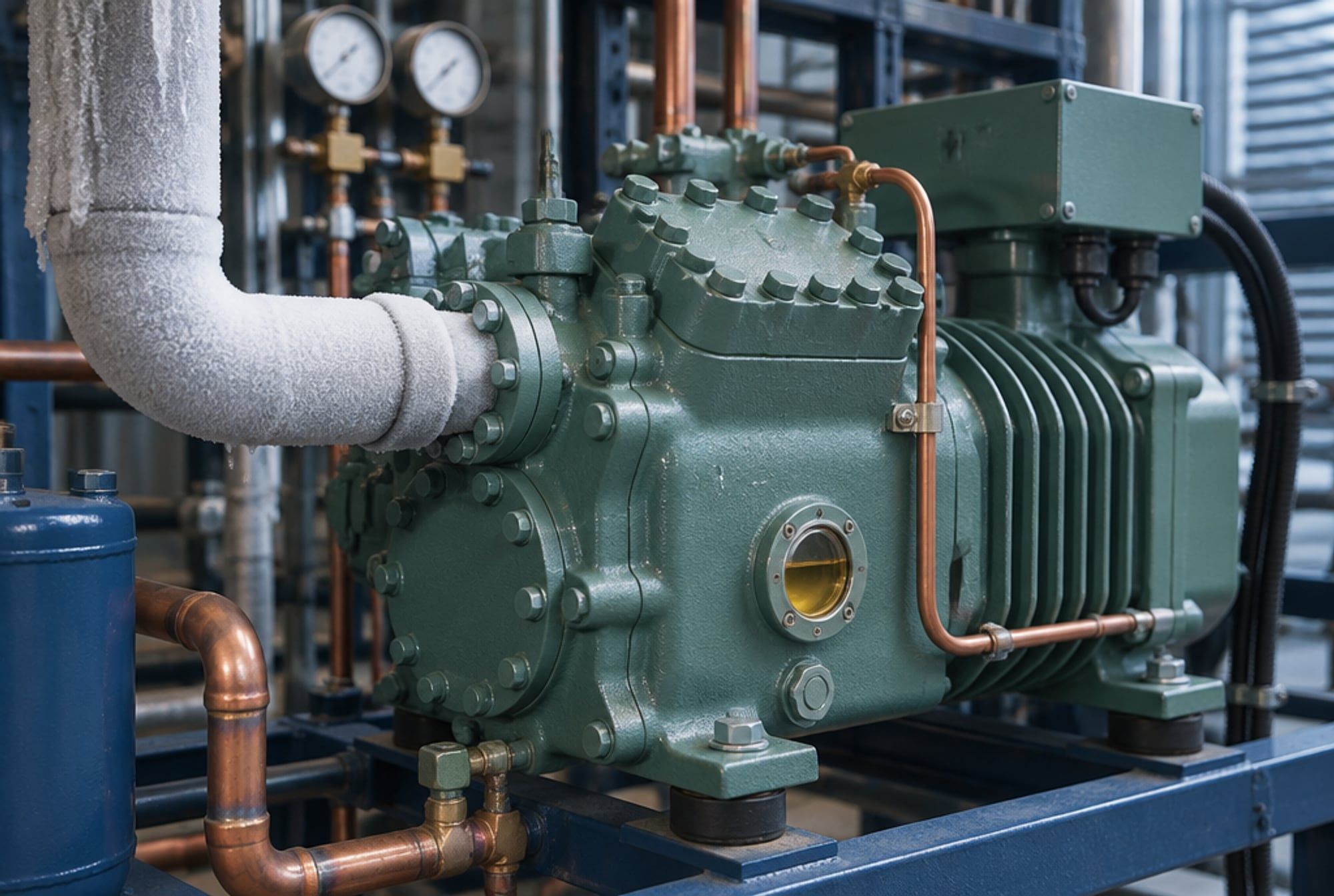
- Commercial HVAC · October 22, 2026Preventive Maintenance Plans for Commercial BuildingsA preventive maintenance plan lists each asset, the tasks it needs, how often, who does them and how results are recorded. For chillers, rooftop units and refrigeration, tasks cluster by frequency: frequent visual and log checks, seasonal inspections, and annual deep checks. Good records, trend review and manufacturer instructions turn a checklist into a program that lowers failures and cost.
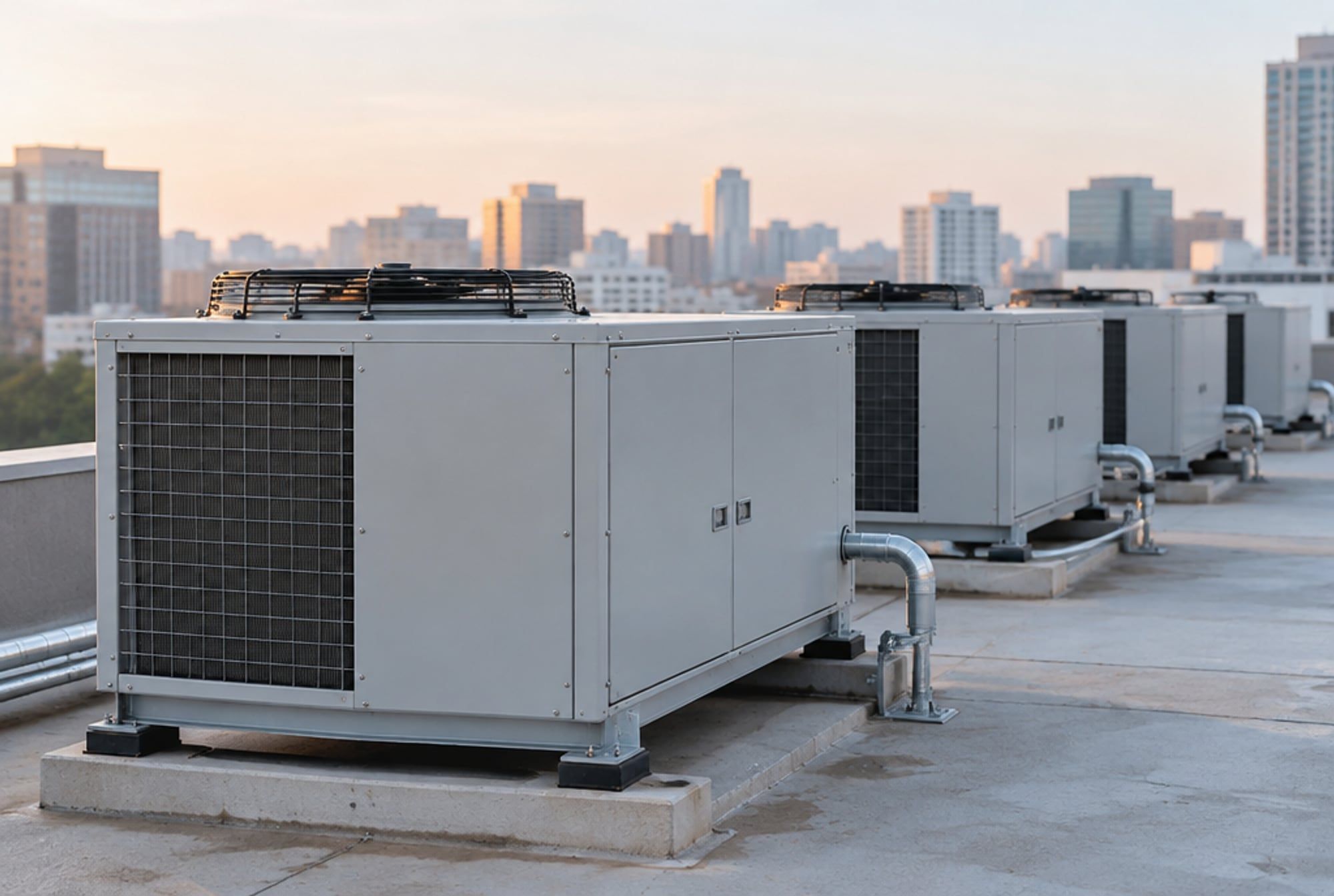
- Industrial refrigeration · October 21, 2026Cold Storage Warehouse Refrigeration BasicsA cold storage warehouse uses a central refrigeration plant, evaporators with a defrost method, insulated panels and controlled docks to hold product at a set temperature. System choice among ammonia, HFC and CO2 depends on size, safety, regulation and operating cost. Food safety temperature limits come from FDA and USDA guidance, so confirm current requirements for your product.
- Careers · October 20, 2026Hiring a Class A License Holder: What Candidates WantAn experienced Texas Class A ACR license holder is putting a personal license and reputation behind your company. Strong candidates look for a clearly defined role, real authority over technical decisions, a supervision structure they can actually perform, transparent compensation and a believable plan for succession or ownership. Employers who address these points up front attract better candidates.

- Careers · October 19, 2026EPA 608 Certification Types and Exam GuideEPA Section 608 certification is required to buy or handle refrigerants. There are four types: Type I for small appliances, Type II for high-pressure systems, Type III for low-pressure systems and Universal for all three. The exam has a Core section plus one section per type, is taken through an EPA-approved certifying organization and does not expire once earned.
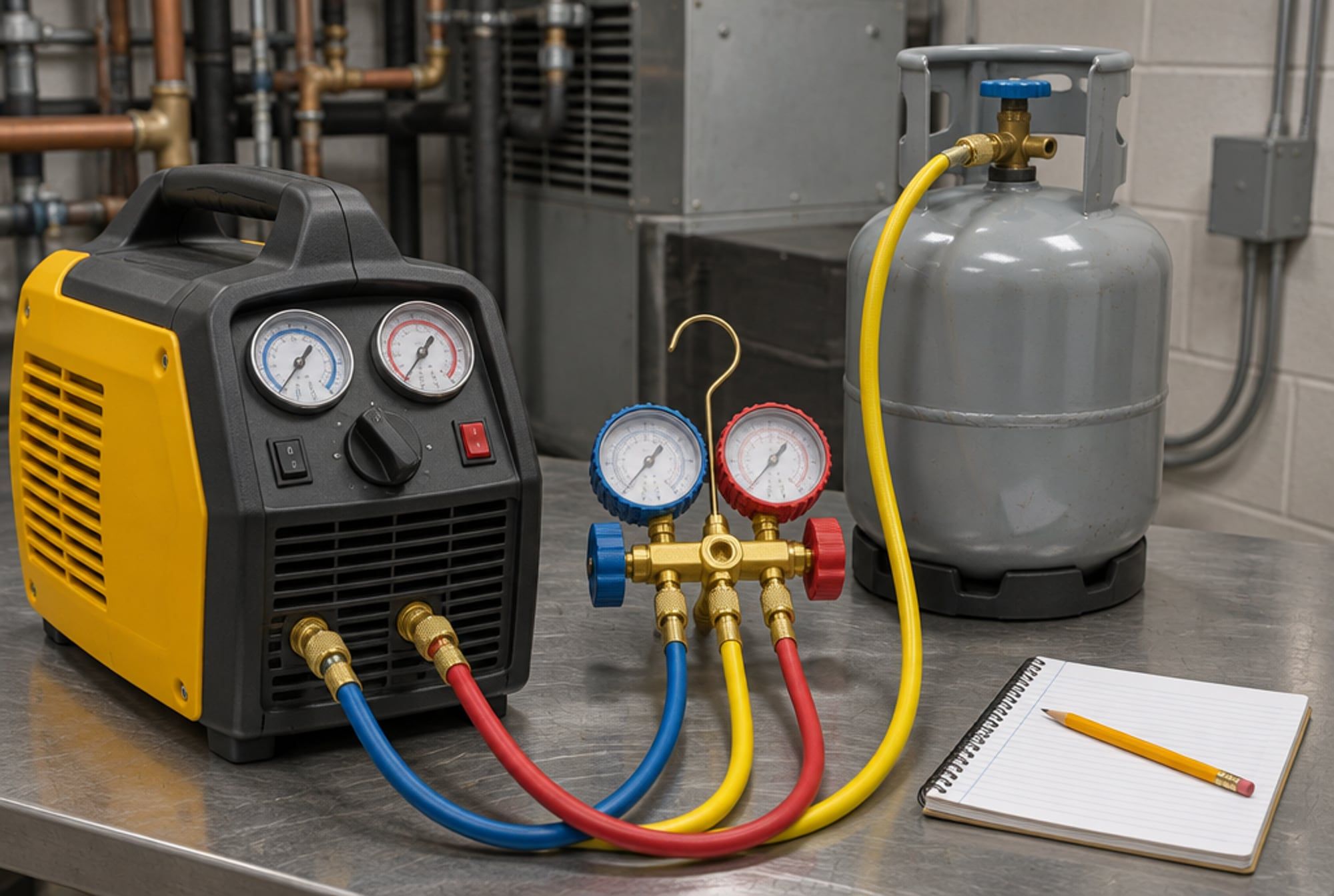
- Chillers · October 18, 2026York Chillers Explained: Screw, Scroll, Centrifugal LinesYork chillers, now part of Johnson Controls, are grouped by compressor type: scroll for compact air-cooled units, screw for mid-size air-cooled and water-cooled plants, centrifugal for large water-cooled systems and absorption for heat-driven use. The nameplate model and serial numbers identify the family, vintage and refrigerant. Confirm current names and specifications with Johnson Controls literature, since product lines change.
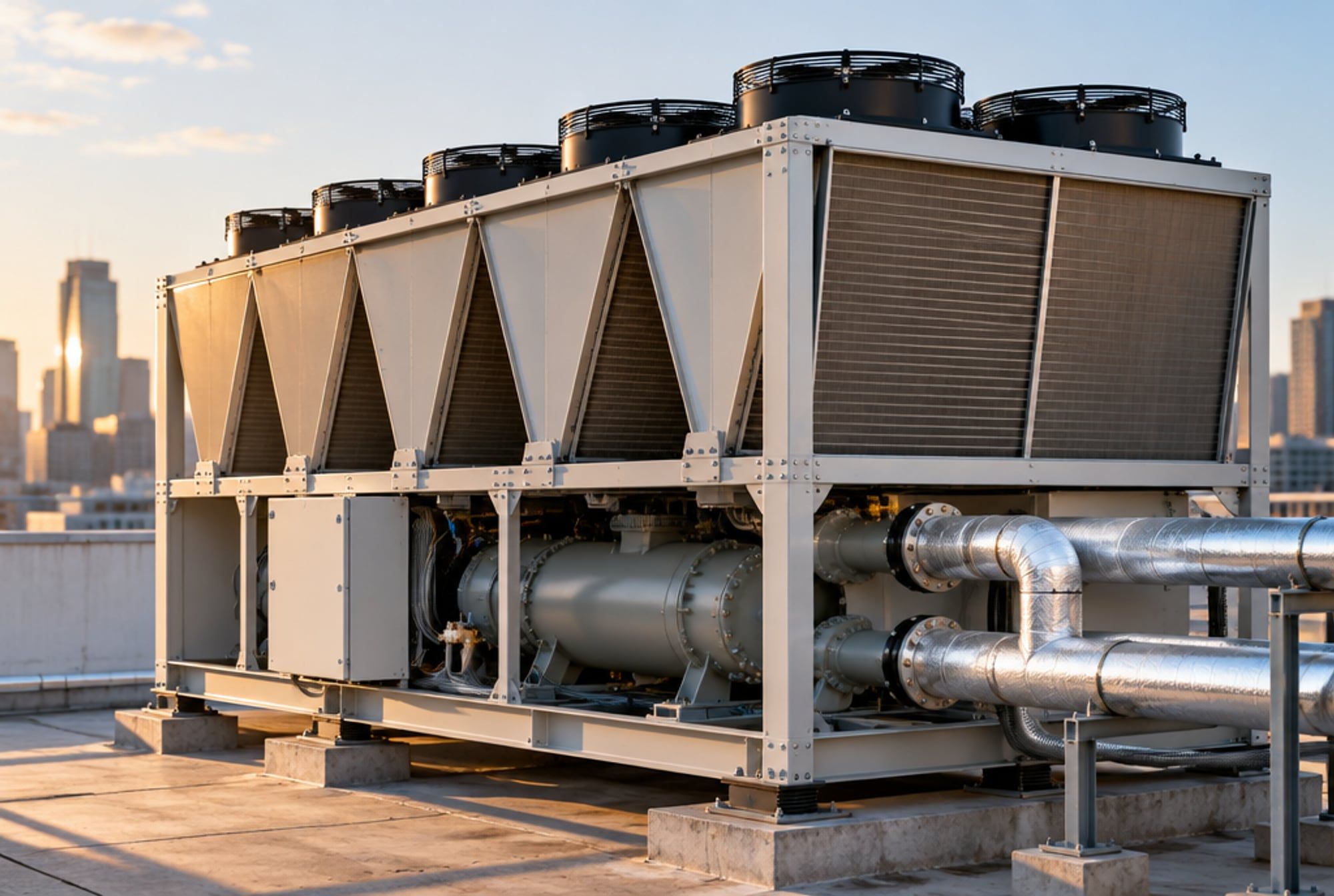
- Chillers · October 17, 2026Trane Chillers Explained: Screw, Scroll, Centrifugal LinesTrane organizes its chillers mainly by compressor type: scroll for small air-cooled units, helical-rotary screw for mid-size plants, centrifugal for large water-cooled systems and absorption for heat-driven applications. Within each group the model code on the nameplate tells you the type, cooling method, vintage and refrigerant. Always confirm details in current Trane literature, because product names and refrigerants change over time.
Subscribe
New articles, by email.
Let’s build it together.