

Insights
Compressor, chiller and refrigerant guides, page 6
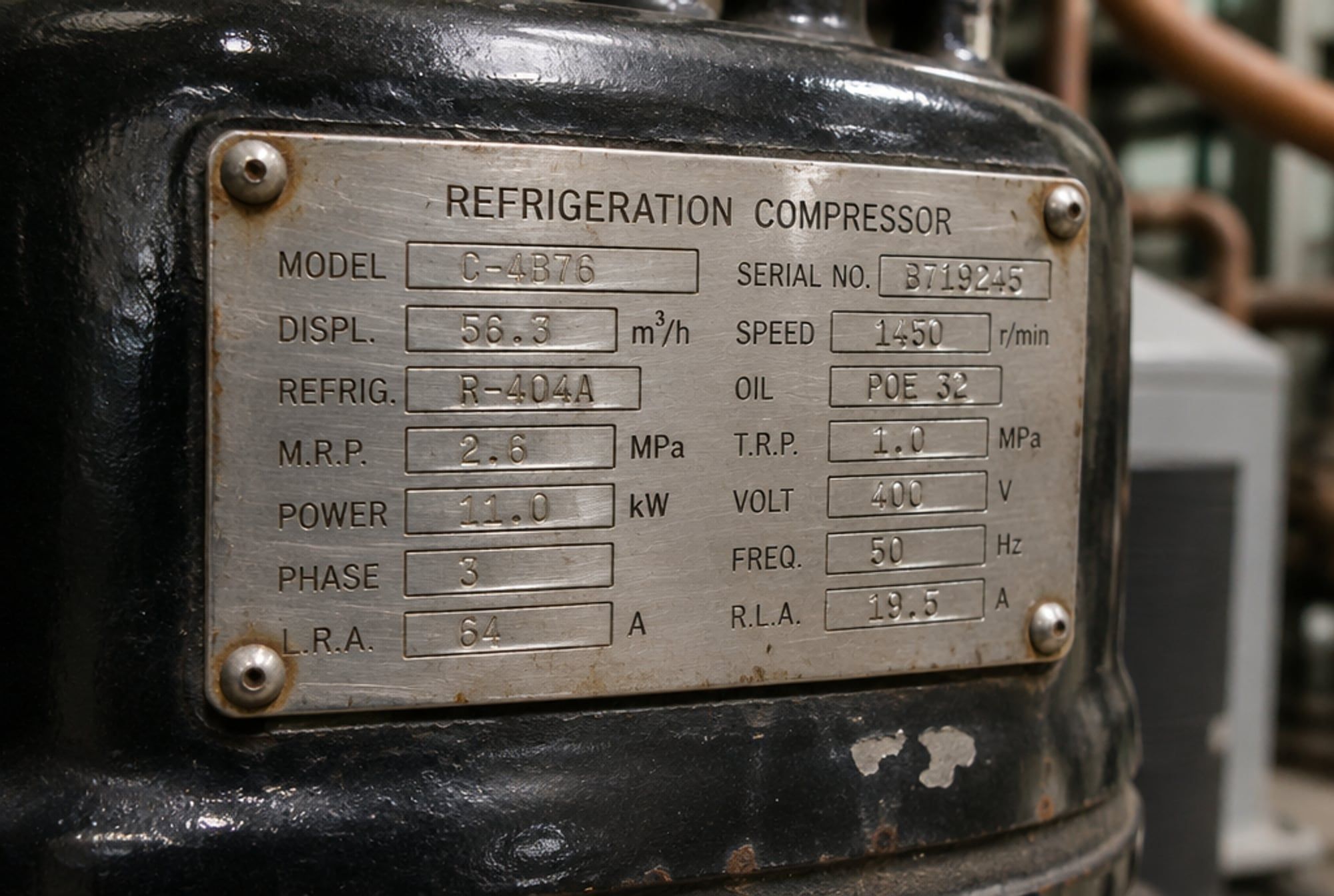
- Compressors · September 10, 2026How to Read a Compressor Nameplate: Fields ExplainedA compressor nameplate lists the manufacturer, model, serial number, electrical ratings (voltage, phase, frequency, RLA, LRA), refrigerant, oil type, design pressures and approvals. Model numbers follow each manufacturer's own coding, so decode them with the maker's guide. The nameplate is the first thing to record before ordering parts, checking electrical protection or planning a refrigerant change.
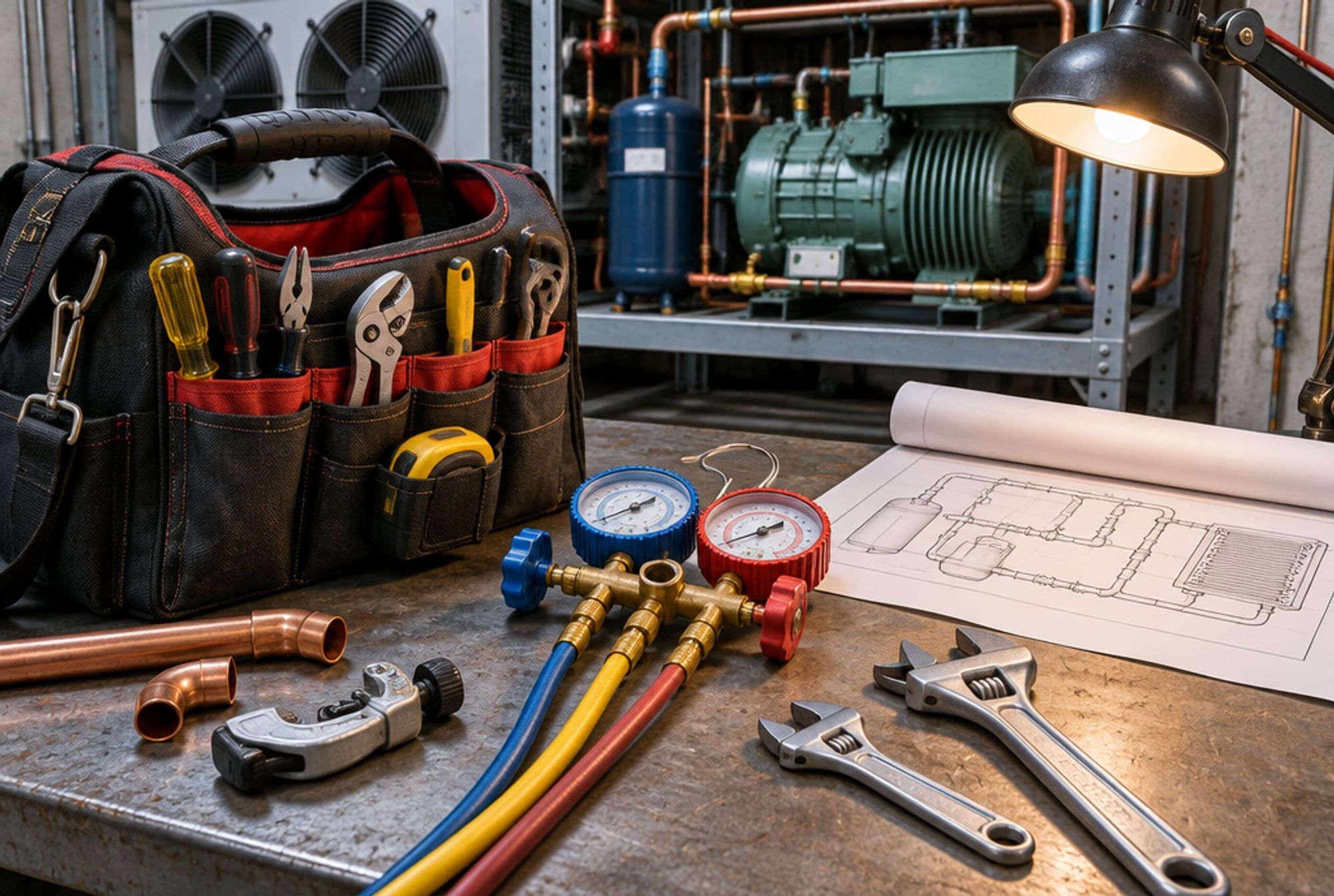
- Texas licensing · September 9, 2026How to Get a Texas Class A HVAC/ACR License: StepsTo get a Texas Class A ACR (HVAC/refrigeration) contractor license, an applicant generally needs experience in ACR work under a Texas contractor, usually described as 48 months within the previous 72, then passes the PSI exam, submits the application and fee, and files proof of liability insurance. Requirements, fees and exemptions change, so verify each item on the current TDLR page.
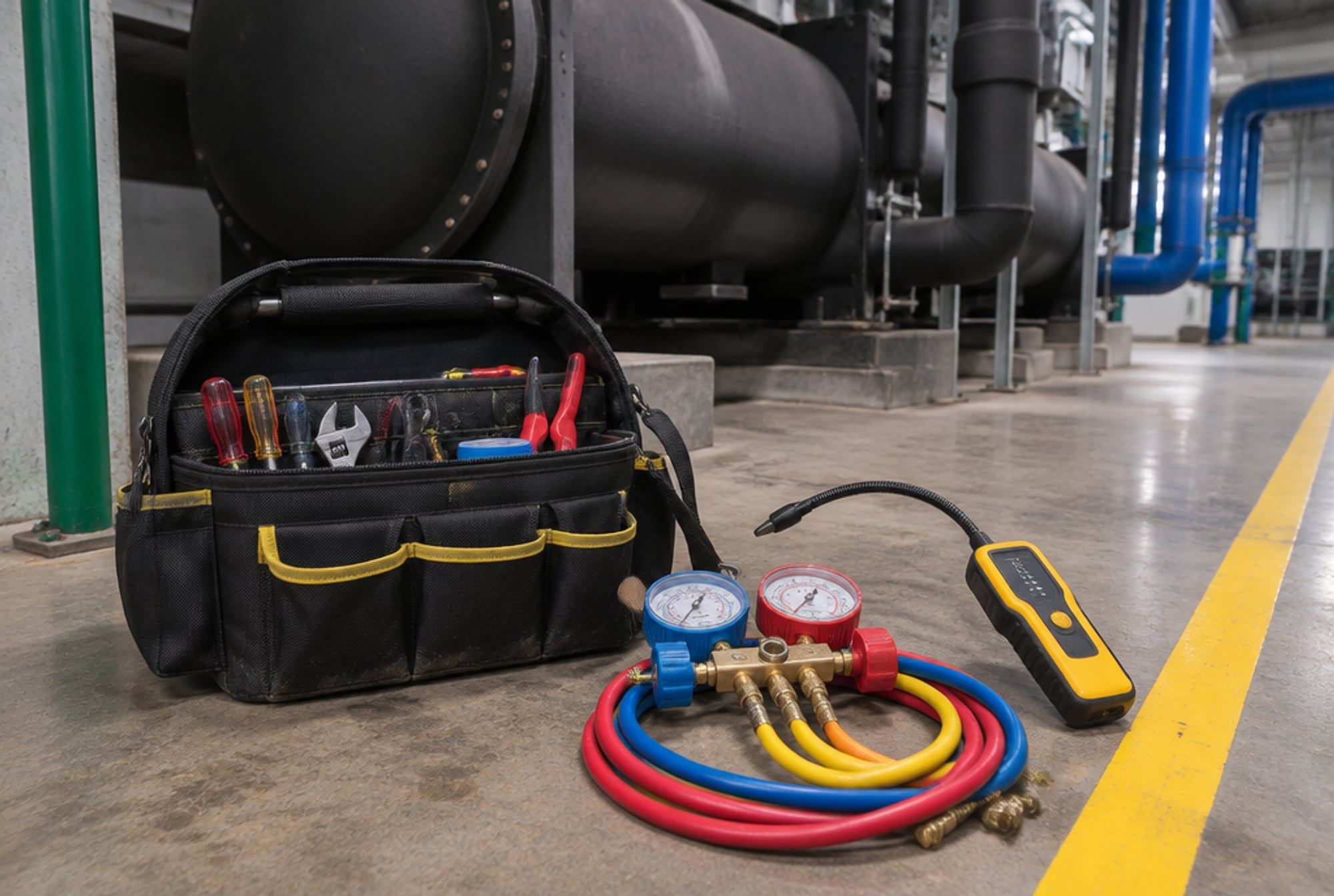
- Careers · September 8, 2026How to Become a Chiller Technician in TexasA chiller technician typically starts in HVAC/R training or an apprenticeship, earns EPA Section 608 certification, gains supervised field experience, and in Texas may add a TDLR technician certification and later work toward a contractor license. National median pay for heating, air conditioning and refrigeration mechanics was reported at $61,010 in May 2025, with Austin close to that. Chiller skills often earn more.
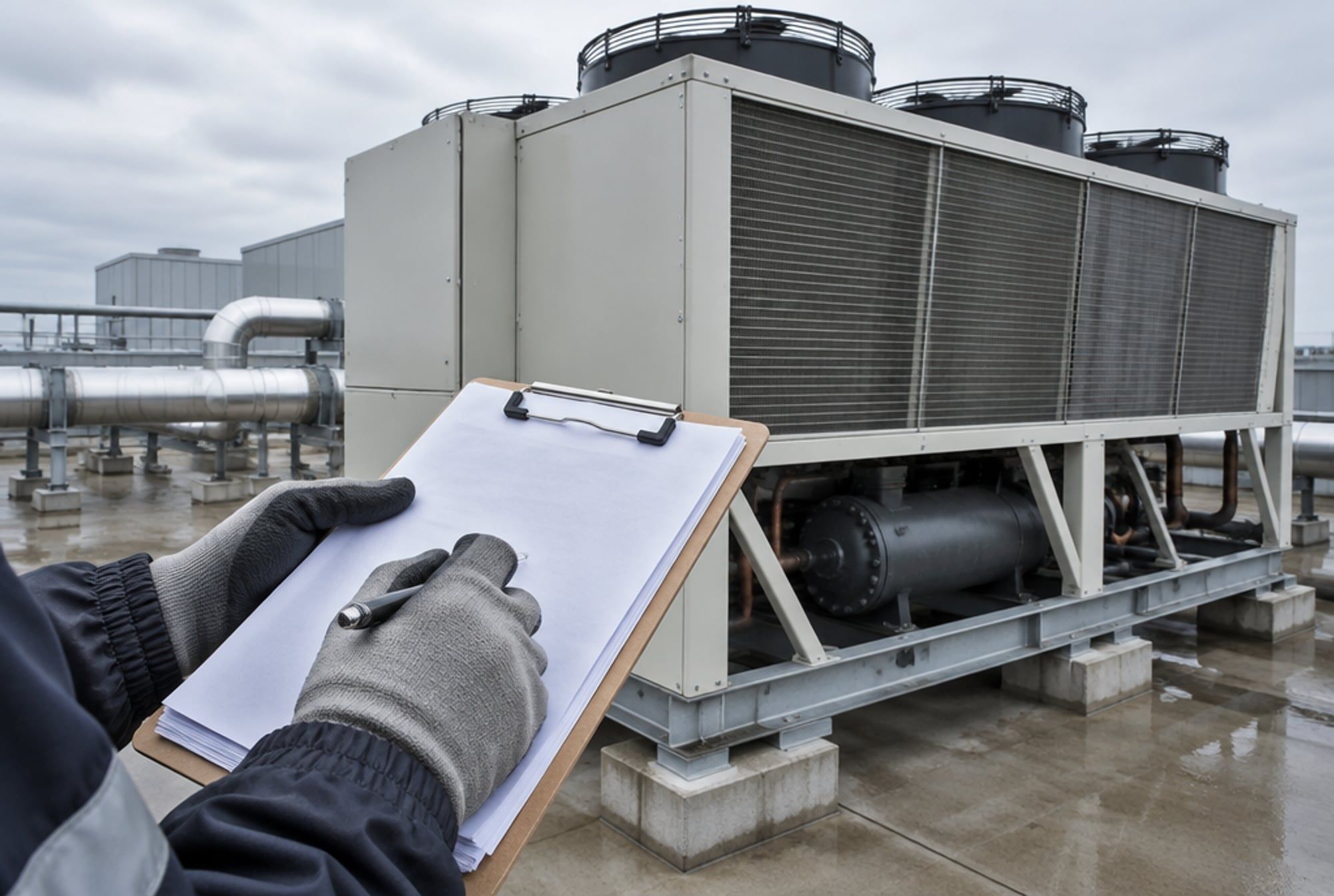
- Business · September 7, 2026How License Holders Fit in an HVAC AcquisitionIn a Texas HVAC or refrigeration acquisition, the contractor license holder is often the person the whole deal depends on. TDLR ties the license to a qualified individual, so buyers generally need that person to stay, or a replacement to be qualified before the seller leaves. Employment terms, retention incentives, a succession plan and clear responsibilities should be agreed in writing. Verify current rules with TDLR and a Texas attorney.
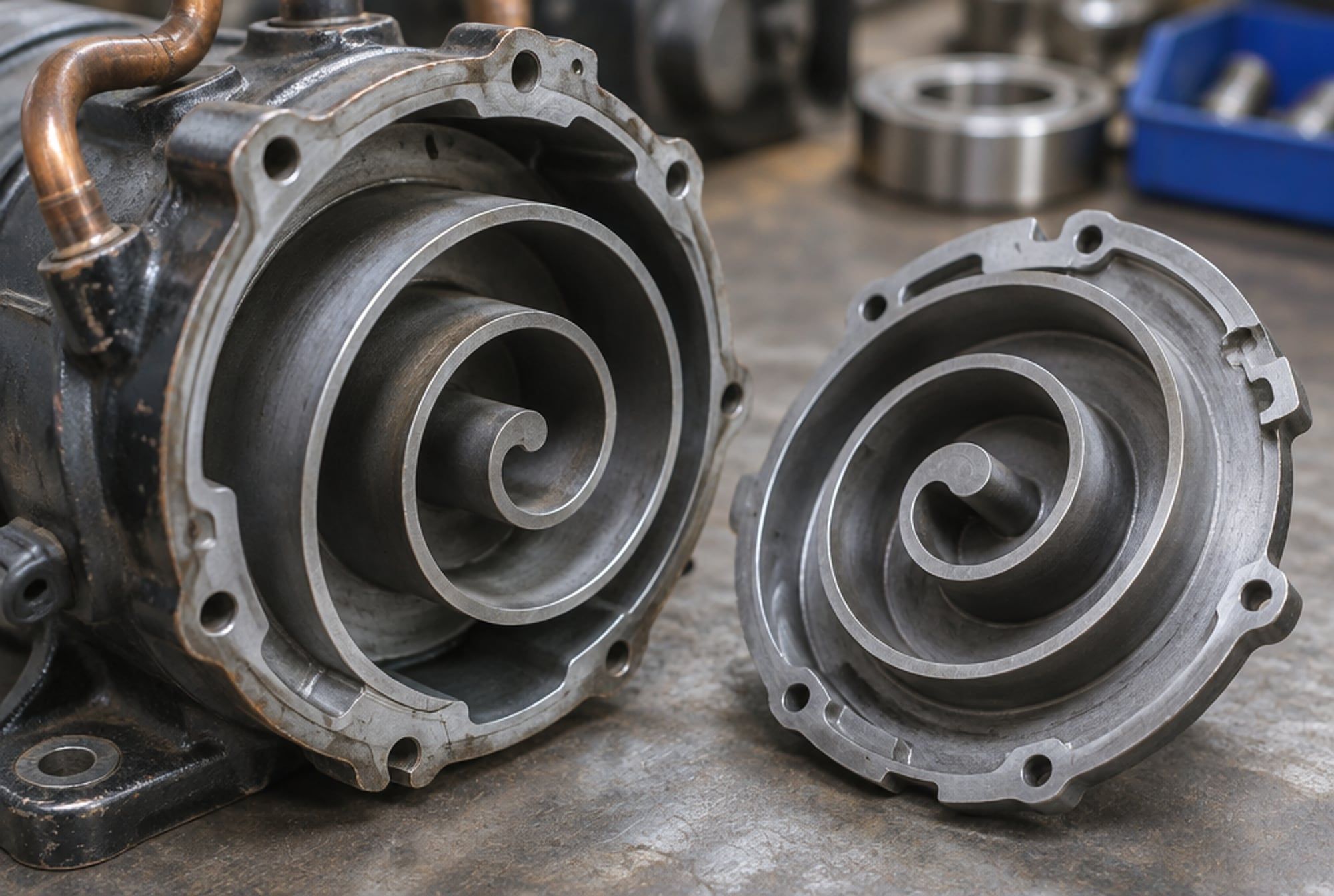
- Compressors · September 6, 2026How a Scroll Compressor Works: Orbiting Scroll ExplainedA scroll compressor squeezes refrigerant between two interleaved spiral-shaped scrolls. One scroll stays fixed while the other orbits without rotating, which traps gas in crescent-shaped pockets and moves them toward the center, where the pressure is highest. With no suction valves and few moving parts, scrolls are quiet and efficient in small and mid-size air conditioning, heat pump and chiller applications.
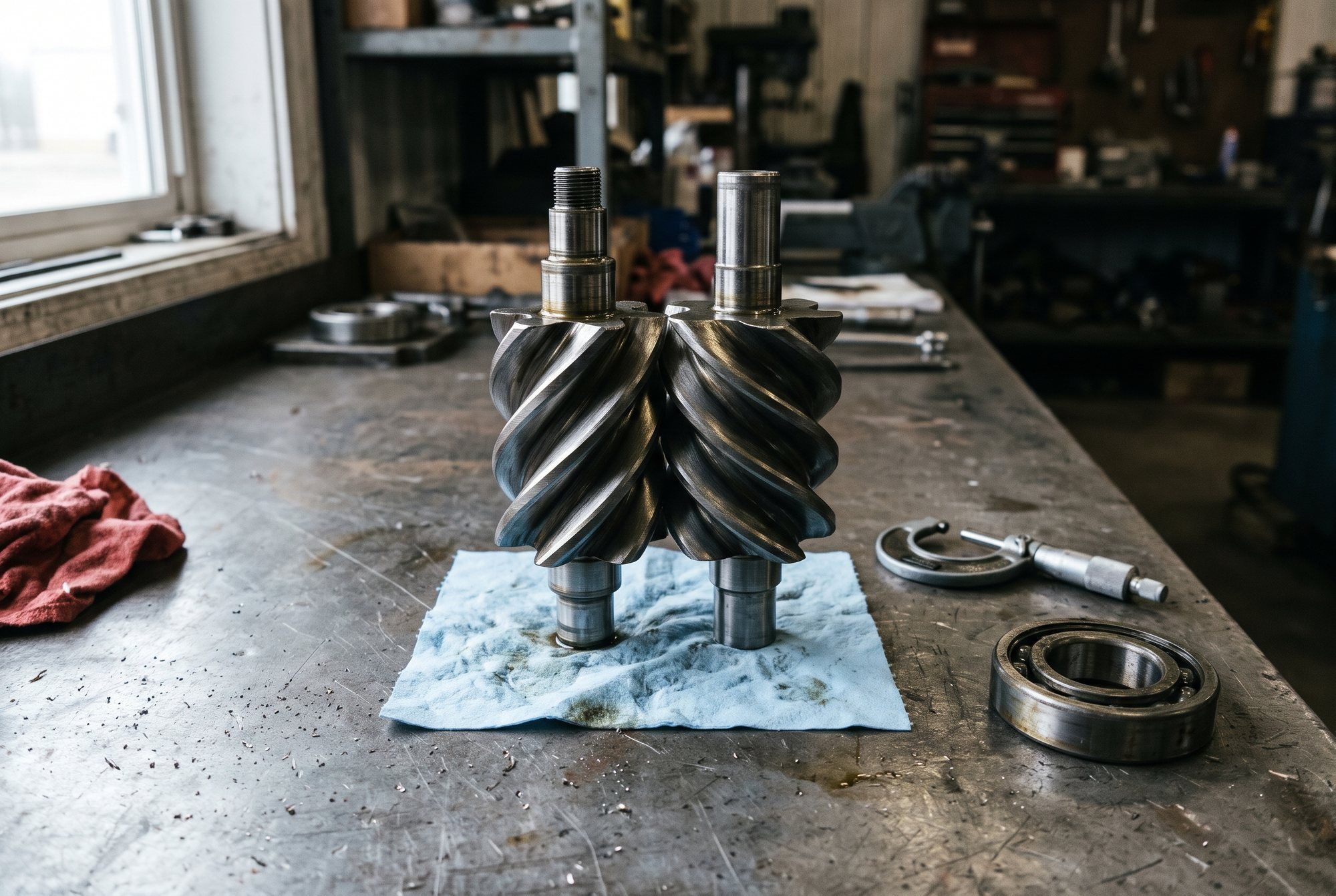
- Compressors · September 5, 2026How does a screw compressor work?A screw compressor traps refrigerant gas between two meshing helical rotors and squeezes it as the pockets between the lobes shrink on their way to the discharge port. Oil injected into the rotor housing seals the clearances, absorbs heat and lubricates the bearings, while a slide valve matches capacity to the load.
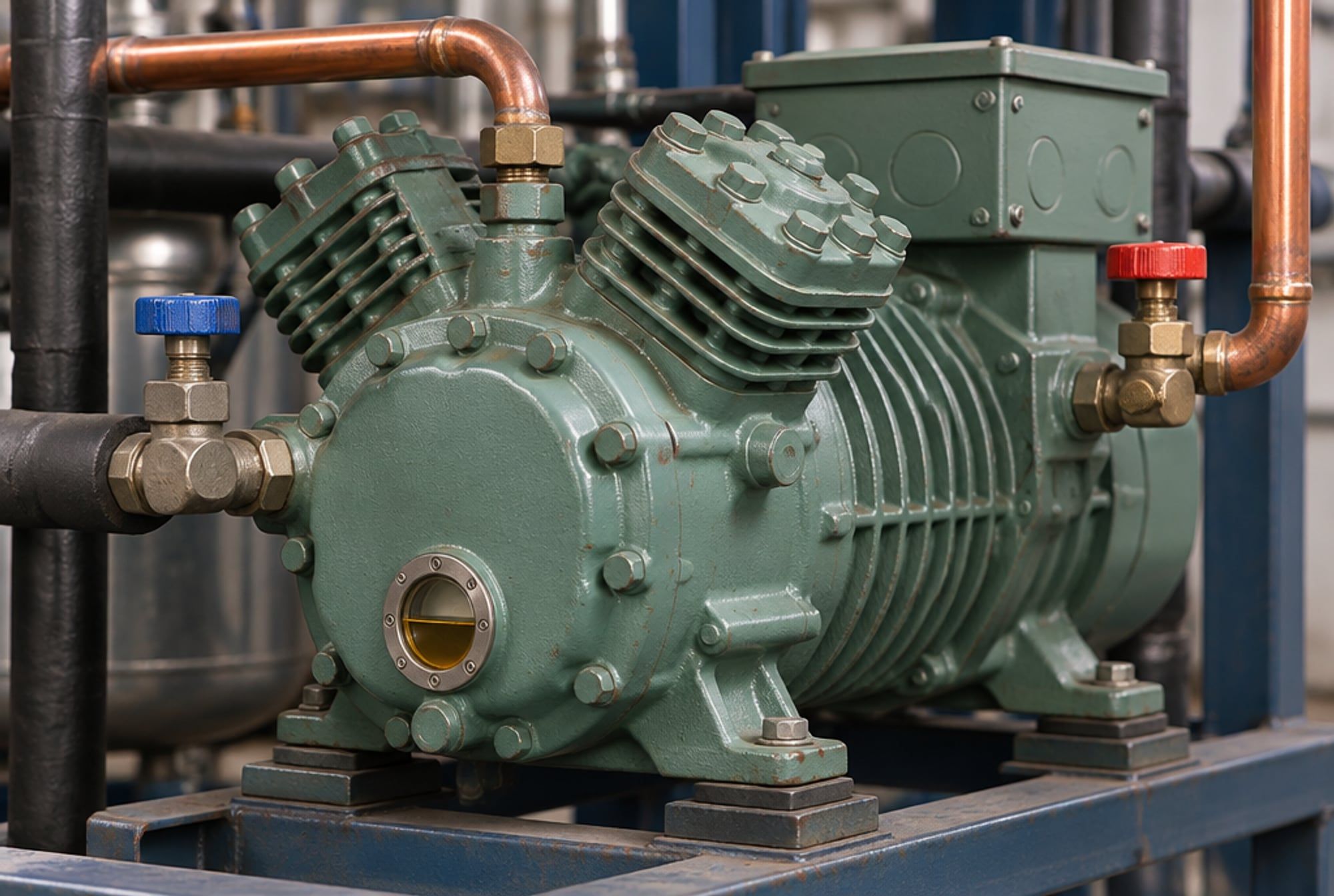
- Compressors · September 4, 2026How a Reciprocating Refrigeration Compressor WorksA reciprocating compressor uses pistons driven by a crankshaft to draw in refrigerant gas through a suction valve, compress it in a cylinder and push it out through a discharge valve. Cylinder unloaders reduce capacity by taking cylinders out of service. Valves, rings, bearings and oil are the main wear points. The design is rugged and serviceable, so it remains common in commercial refrigeration, low-temperature duty and industrial plants.
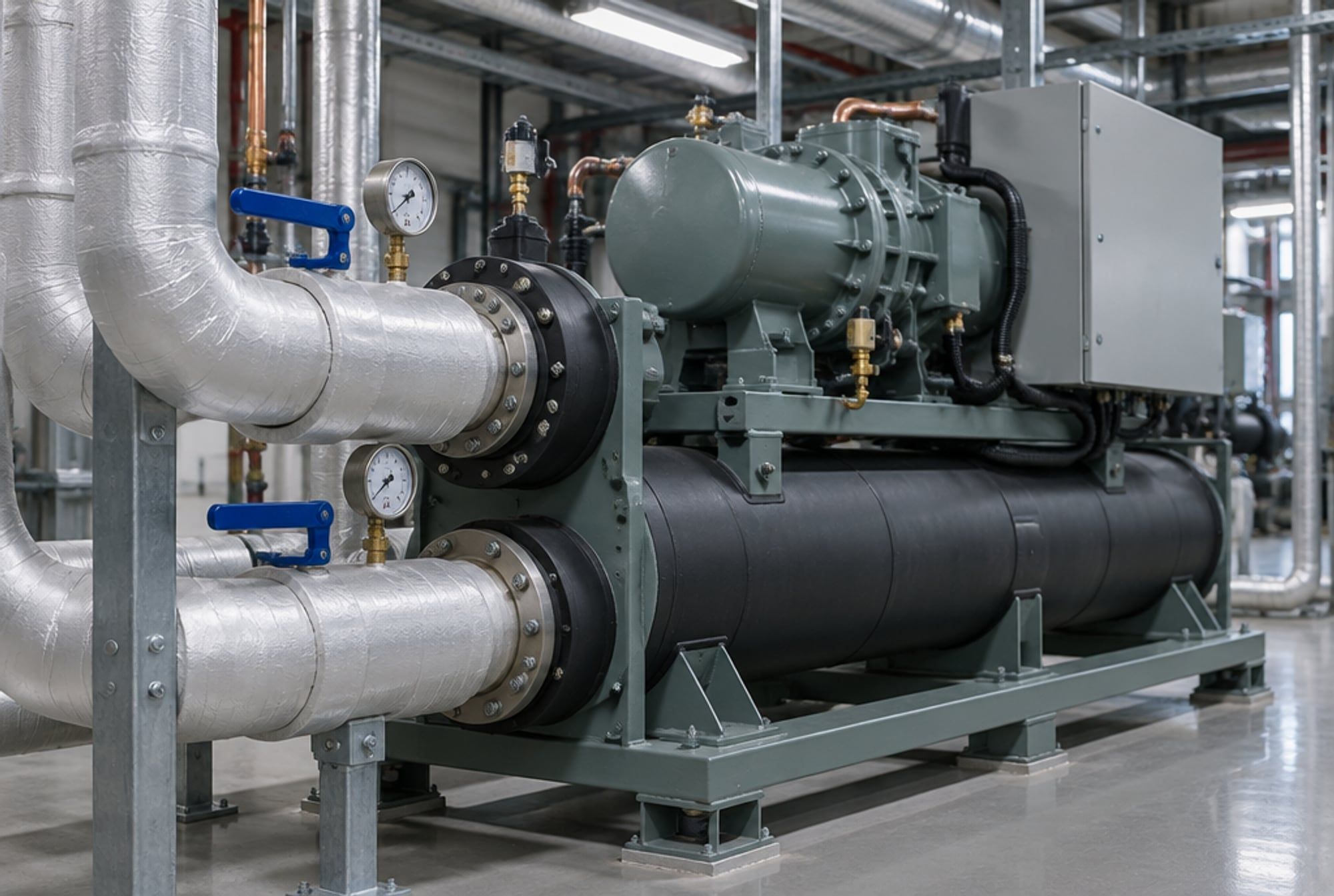
- Chillers · September 3, 2026How a Chiller Works: Complete Guide for Facility TeamsA chiller removes heat from water or a water-glycol mix using a vapor-compression refrigeration cycle: an evaporator cools the water, a compressor raises the refrigerant pressure, a condenser rejects the heat, and an expansion device lowers the pressure again. The cooled water, typically around 44°F, is pumped to air handlers or process equipment and returns about 10°F warmer.
- Refrigerants · September 2, 2026HFC Deadlines on January 1, 2027: What AppliesTwo HFC dates fall on January 1, 2027. New supermarket refrigeration systems face a revised interim GWP limit of 1,400, after EPA's May 2026 rule relaxed the original 150 or 300 limit. And under a December 2024 rule, certain variable refrigerant flow (VRF) systems built with pre-2026 components can only be installed until that date. Confirm the details for your equipment on EPA's pages.

- Compressors · September 1, 2026Hermetic vs Semi-Hermetic vs Open CompressorsHermetic compressors seal motor and compressor in a welded shell and are replaced when they fail. Semi-hermetic compressors use a bolted housing, with the motor inside the refrigerant circuit, so they can be opened and overhauled. Open-drive compressors place the motor outside with a shaft seal, which allows any motor type and is required for ammonia because it attacks copper windings.
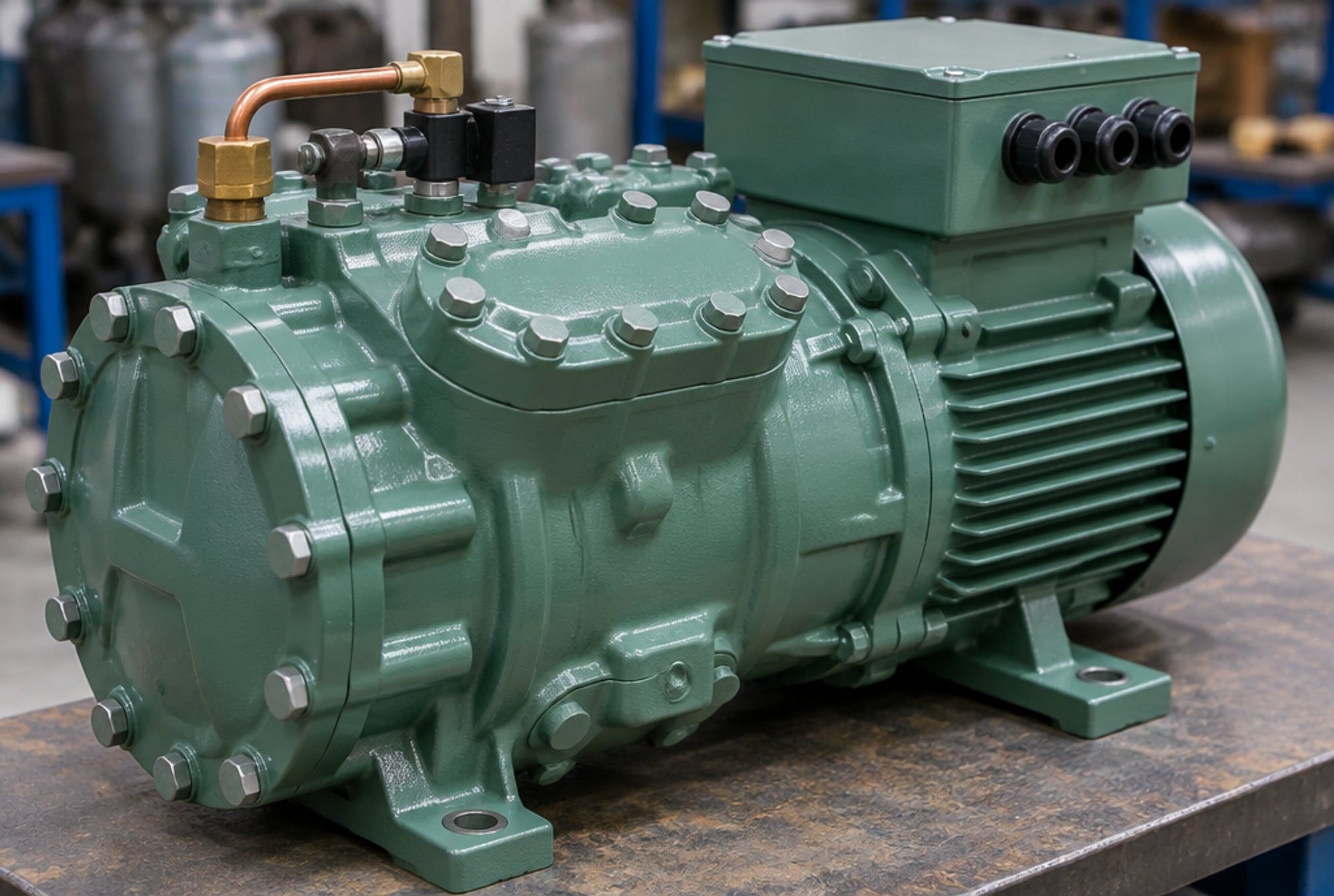
- Chillers · August 31, 2026Glycol Chillers Explained: Concentration and CareA glycol chiller cools a water-glycol mix instead of plain water so it can run below 40°F without freezing. Propylene glycol is the usual choice around food and drink; ethylene glycol transfers heat slightly better but is toxic. More glycol means more freeze protection, but also thicker fluid, lower heat transfer and higher pump power, so the concentration should be the lowest that safely covers the lowest temperature.
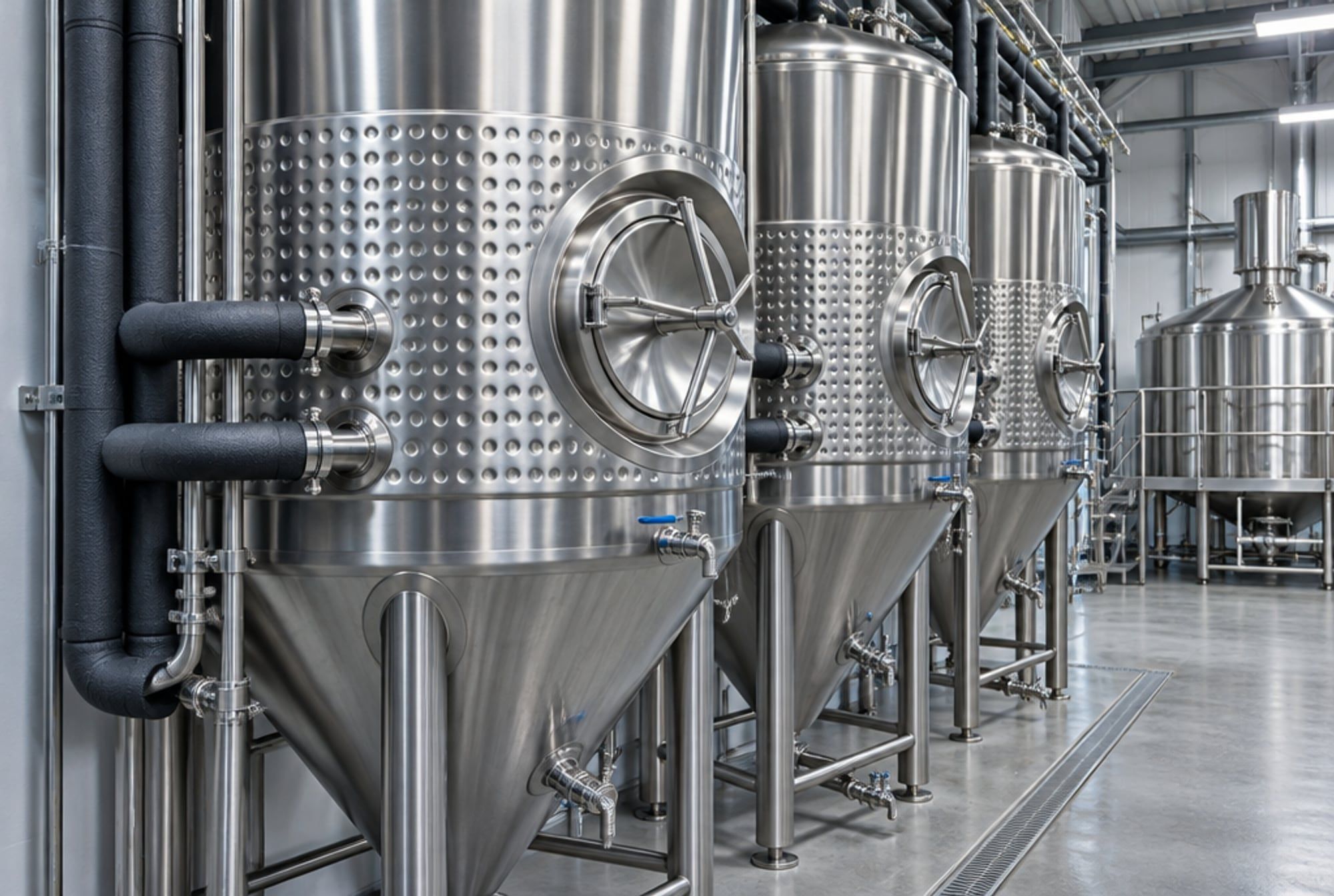
- Compressors · August 30, 2026Five signs a compressor is wearing outThe five most reliable signs of a wearing compressor are falling capacity at the same power, rising discharge temperature, changes in vibration or noise, abnormal oil pressure, consumption or analysis results, and growing leaks at the shaft seal. Each one is easiest to see as a trend against the machine's own history, which is why logging operating data matters more than any single reading.

Subscribe
New articles, by email.
Let’s build it together.