By Tamika Brooks · Updated September 8, 2026 · 6 min read
Short answer
A chiller technician typically starts in HVAC/R training or an apprenticeship, earns EPA Section 608 certification, gains supervised field experience, and in Texas may add a TDLR technician certification and later work toward a contractor license. National median pay for heating, air conditioning and refrigeration mechanics was reported at $61,010 in May 2025, with Austin close to that. Chiller skills often earn more.
Becoming a chiller technician in Texas usually follows a clear path: start with HVAC/R training or an apprenticeship, earn EPA Section 608 certification, build supervised field experience on commercial equipment, and add the TDLR technician certification and later a contractor license if you want to run work. Chiller work adds skills in refrigeration, controls and hydronics on top of basic HVAC. This is general information; check the current TDLR and school requirements.
What does a chiller technician do?
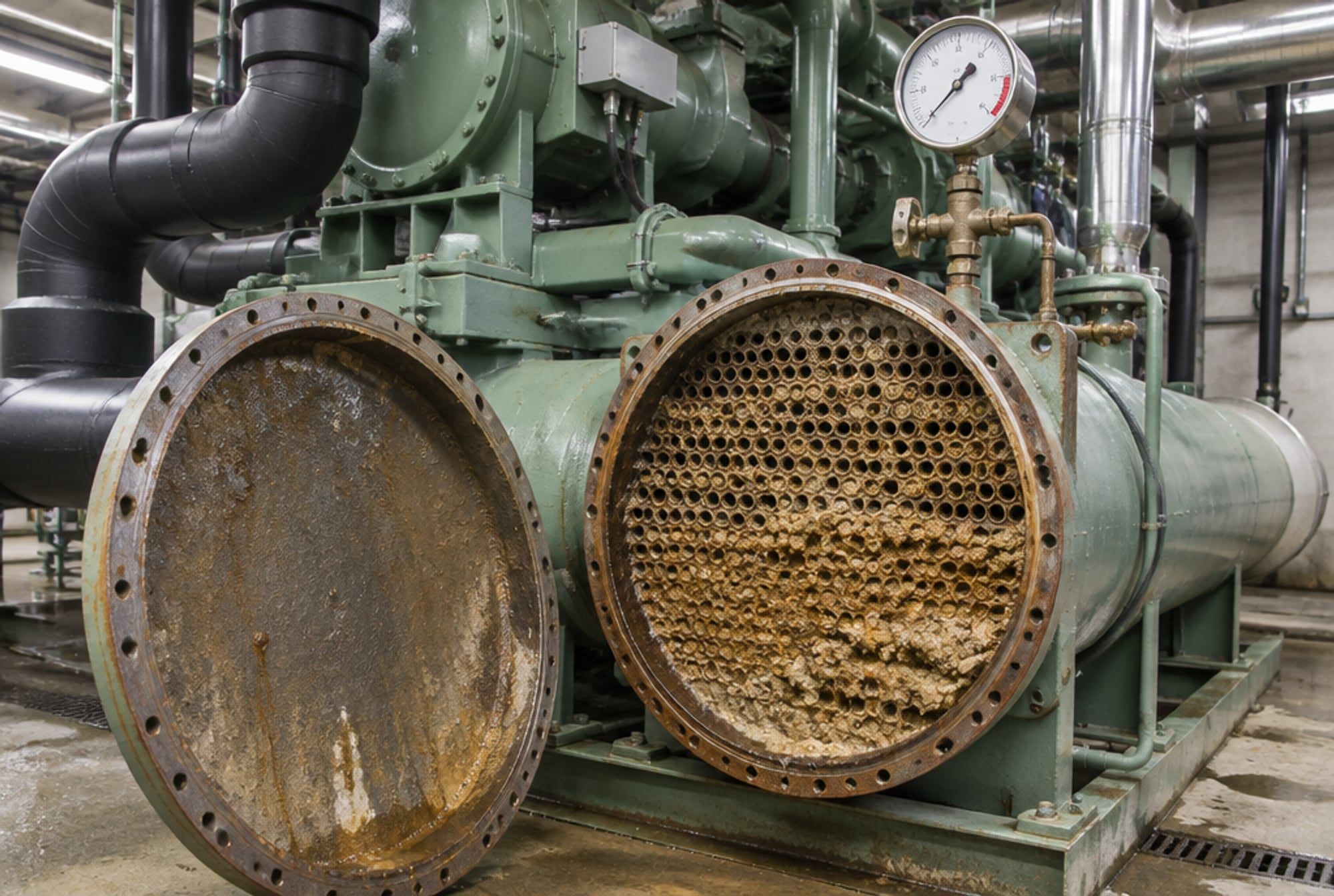
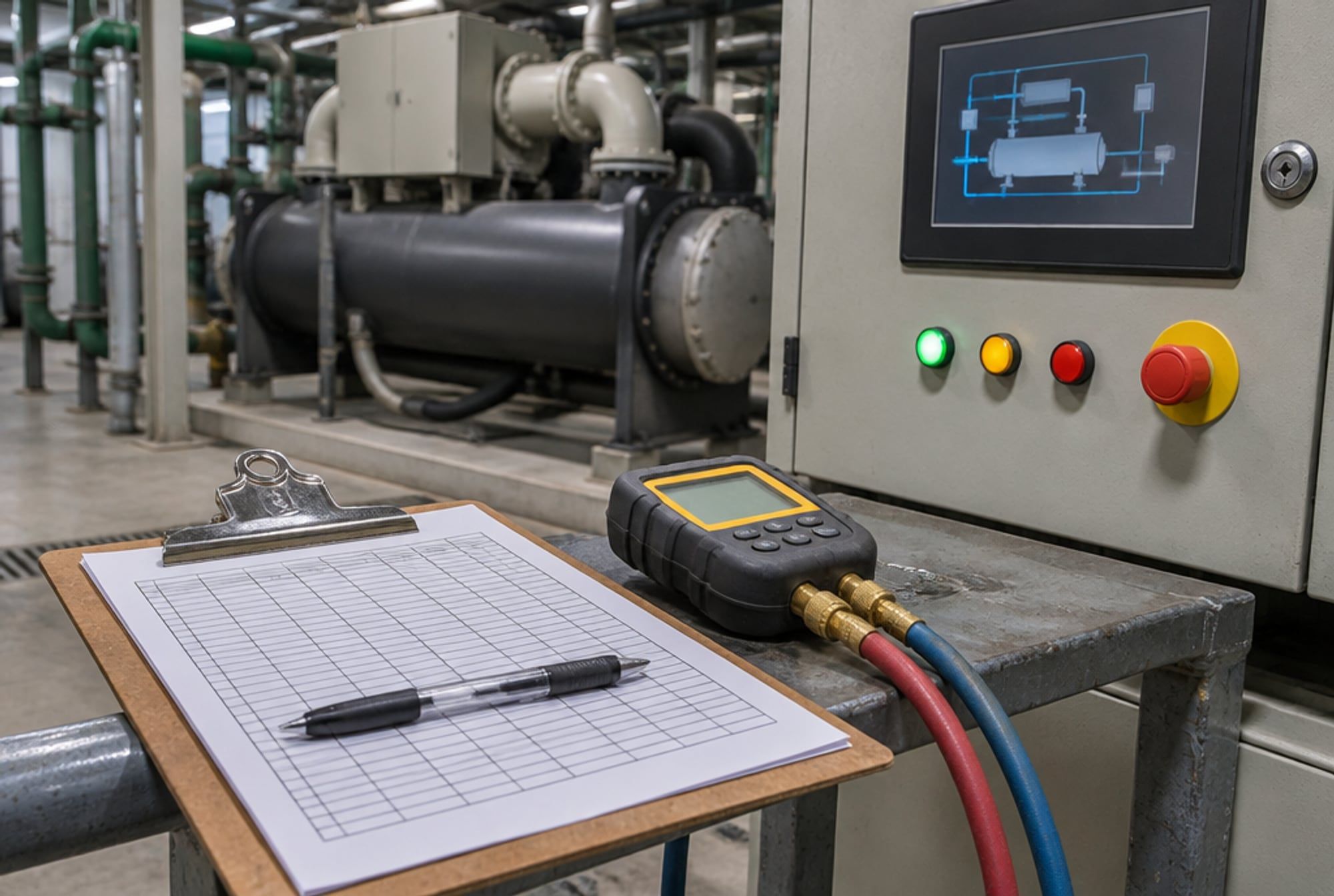
A chiller technician installs, starts up, maintains and troubleshoots chillers and their water systems. Daily tasks include reading logs and pressures, checking amps and approach temperatures, cleaning tubes, testing oil and refrigerant, and working with controls and pumps. If you are new to the equipment, start with how a chiller works and industrial chillers: types and selection.
What are the steps?
| Step | What to do | Notes |
|---|---|---|
| 1. Basic training | HVAC/R program at a community college, trade school or apprenticeship | Programs run from months to two years |
| 2. EPA Section 608 | Pass the EPA exam for handling refrigerants | Required to buy and handle refrigerants; Universal is common |
| 3. Field experience | Work under experienced technicians on commercial and chiller equipment | Experience under a Texas contractor counts toward licensing |
| 4. TDLR technician certification | Apply to TDLR when you meet its requirements | See below |
| 5. Specialize | Chiller, compressor and controls training from manufacturers | Trane, Carrier, York and others offer courses |
| 6. Contractor license (optional) | Meet experience, exam and insurance rules for Class A or B | See how to get a Texas Class A license |
What does TDLR require of technicians?
TDLR has a certified technician program for ACR work. Its pages describe two main ways to qualify: complete an approved certification program of combined instruction and practical experience (reported as 2,000 hours), or document experience in ACR work under a Texas contractor (reported as 24 months). Details and age requirements change, so read the TDLR certified-technician page. Experience gained under a Texas contractor also counts toward the contractor license, so keep records of your employers and hours. See Texas ACR license types for the license classes.
What certifications help?
- EPA Section 608 (Type I, II, III or Universal): the baseline.
- Manufacturer training for chillers, centrifugal and screw compressors, and controls.
- Refrigerant handling for A2L systems, increasingly requested; see A2L refrigerants explained.
- Safety training such as OSHA 10 or 30, lockout/tagout and confined space where needed.
- Ammonia refrigeration training (for example through industry groups) for industrial plants.
How much does a chiller technician earn in Austin?
The U.S. Bureau of Labor Statistics reported a median annual wage of $61,010 for heating, air conditioning and refrigeration mechanics and installers in May 2025. Local figures for the Austin area appear close to that level in BLS tables and third-party summaries, but verify the current metro numbers on the BLS site. Chiller and industrial refrigeration specialists tend to earn above the general HVAC median, and overtime and on-call pay can raise pay further. Wages depend on employer, experience and certifications. Our own job postings are on the careers page.
What skills do employers look for?
- Refrigeration cycle and diagnostics. Read pressures, superheat and subcooling, and use that to find faults; see five signs a compressor is wearing out.
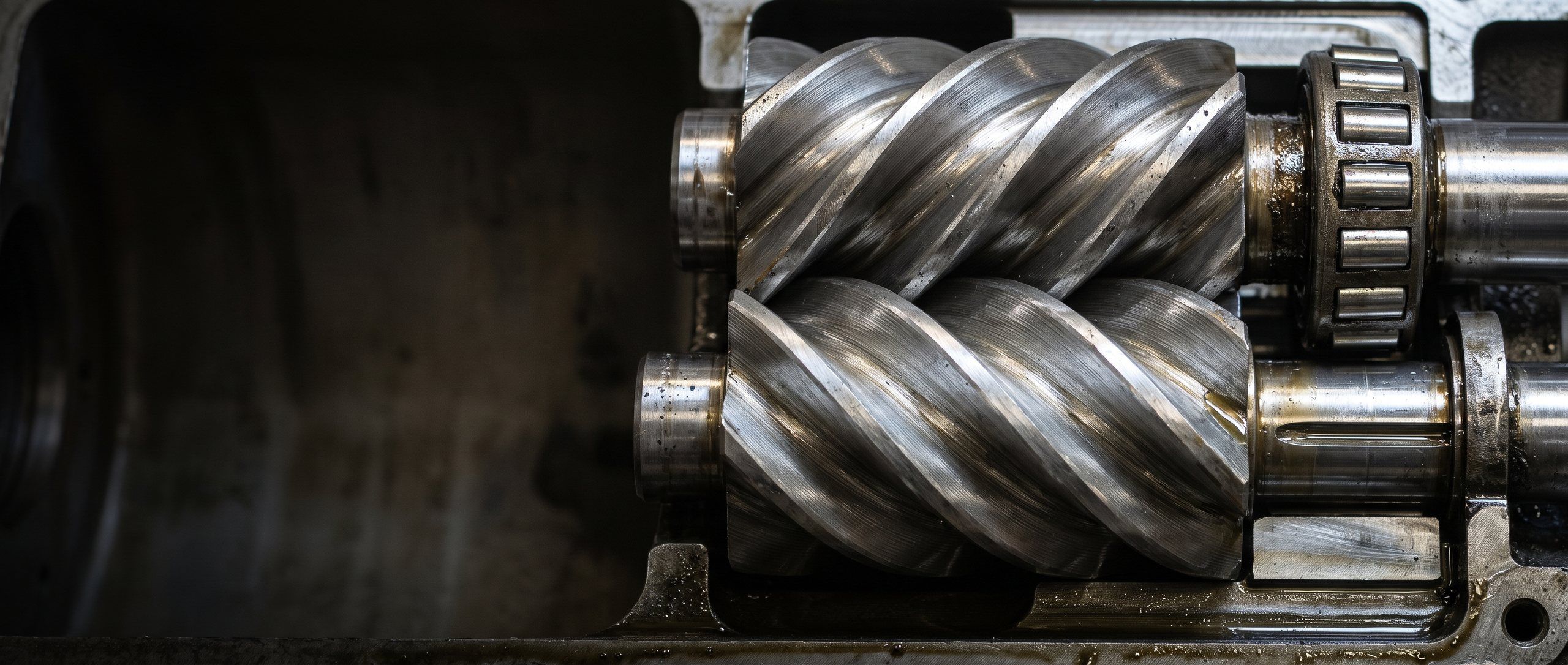
- Compressor knowledge. Screw, scroll, reciprocating and centrifugal types; see refrigeration compressor types.
- Electrical. Motor starters, VFDs, troubleshooting circuits and safe lockout.
- Controls. Setpoints, alarms and reading building automation trends.
- Water systems. Pumps, flow, strainers and basic water treatment.
- Record keeping. Logs, leak records and clear service reports.
- Safety and reliability. Showing up, following procedures, and communicating with customers.
How do you build chiller-specific experience early?
General HVAC work and chiller work overlap, but chillers reward people who learn the whole plant, not just one component. Some practical ways to build depth:
- Learn to read the log. Operating logs show trends before alarms do. A habit of noting pressures, temperatures and amperage, as described in the chiller log sheet guide, is the fastest way to build intuition.
- Know the maintenance routine. Walk through the chiller maintenance checklist with an experienced technician and ask why each item is there.
- Understand the refrigerant side. Knowing EPA 608 certification types matters from the first day you handle refrigerant.
- Study water treatment. Many chiller problems start in the water loops; water treatment basics is worth a careful read.
- Look at the failure modes. Case-style reading on evaporator freeze-up and high-pressure trips shows how faults actually develop.
Ask about mentorship when you interview. A company that pairs new technicians with experienced ones usually trains faster than one that does not.
Frequently asked questions
Do I need a degree to become a chiller technician?
No. Many technicians start with a certificate, diploma or apprenticeship, though an associate degree can reduce the experience time needed for a contractor license.
How long does it take?
Basic training can take months to two years. Becoming a confident chiller specialist usually takes several years of field experience.
Can I work on chillers without a Texas license?
Technicians generally work under a TDLR contractor license holder, and certification rules apply. Check TDLR for what your role requires.
SpecServis engineers in Ukraine work on chillers and refrigeration plants, and we are building a team for Central Texas. If you want to grow in chiller and compressor work, see our open positions.