

Insights
Compressor, chiller and refrigerant guides, page 4
- Texas licensing · October 4, 2026Texas ACR Endorsements Explained: What Each One CoversA Texas ACR contractor license is issued in a class (A or B) and carries an endorsement that defines the kind of work it covers. TDLR lists environmental air conditioning, commercial refrigeration with process cooling and heating, and a combined endorsement for both. For chillers, cold storage and industrial cooling, the commercial refrigeration and process cooling endorsement is the one to look for.
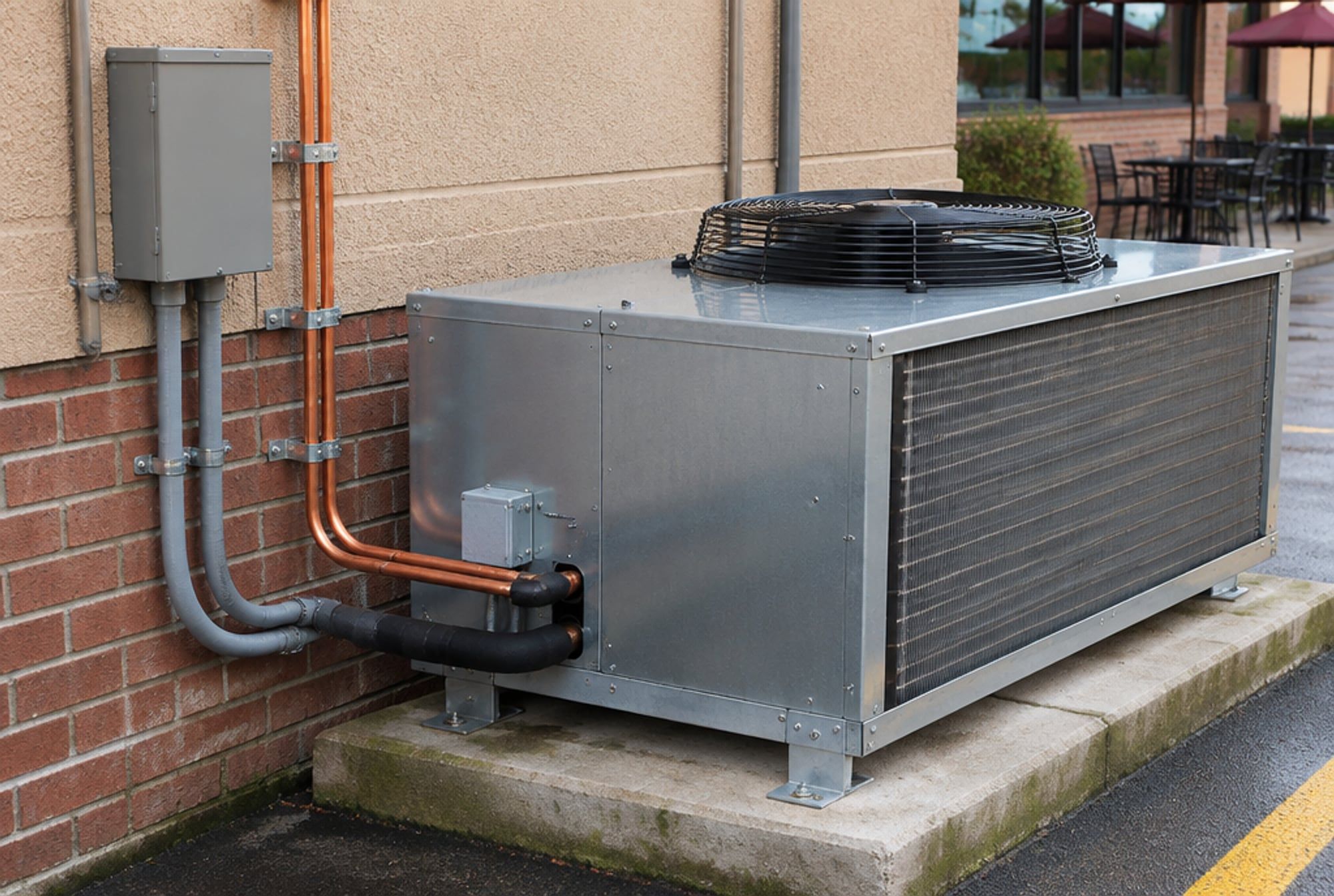
- Texas licensing · October 3, 2026Texas ACR Contractor Insurance Requirements by License ClassTDLR requires Texas ACR contractors to carry commercial general liability insurance and to file proof with the agency. Commonly cited minimums are $300,000 per occurrence, $600,000 aggregate and $300,000 products and completed operations for Class A, and $100,000 per occurrence, $200,000 aggregate and $100,000 for Class B. The rule is 16 TAC Section 75.40; confirm the current amounts and form on the TDLR site before buying coverage.
- Texas licensing · October 2, 2026Texas 2024 Mechanical Codes: What Changed in 2026TDLR adopted the 2024 editions of the International Mechanical Code, Uniform Mechanical Code and related codes, with the rule chapter effective September 1, 2026. TDLR cited federal refrigerant rules requiring A2L refrigerants, which the 2021 editions do not cover. Cities and counties still adopt and enforce their own codes, so Austin and Dallas can differ. Verify the effective dates and local amendments before design or permit work.

- Refrigerants · October 1, 2026Technology Transitions Rule 2026 Update: What ChangedOn May 26, 2026 EPA published a final rule that reconsidered parts of the 2023 Technology Transitions rule under the AIM Act. Summaries of the rule report extended deadlines and temporary, higher GWP limits for several sectors, including supermarkets, remote condensing units and cold storage, with the original lower limits returning on January 1, 2032. The rule took effect on July 27, 2026; sector dates should be confirmed on EPA's pages.
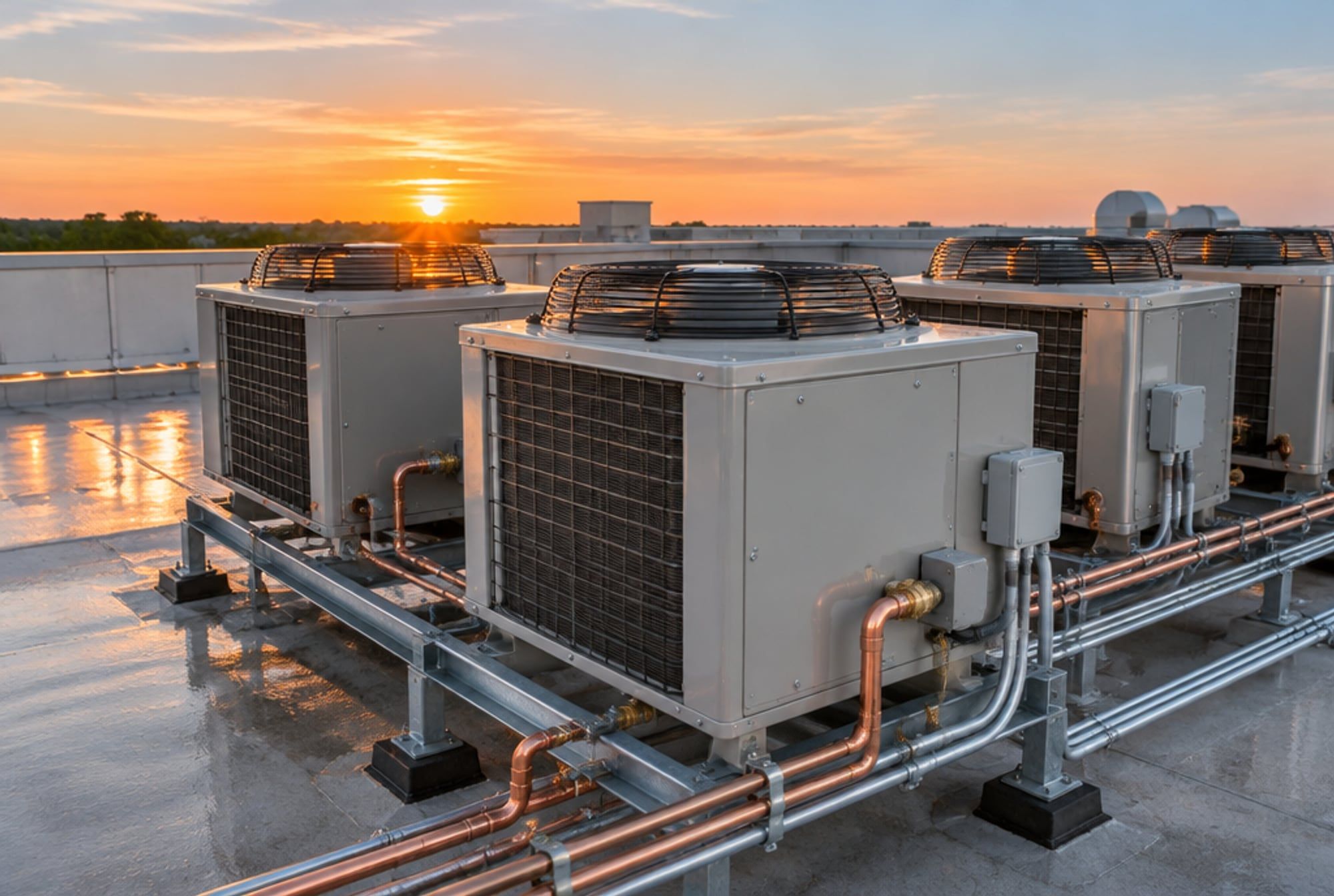
- Texas licensing · September 30, 2026TDLR Inspections and Complaints: How HVAC Enforcement WorksTDLR enforces the Texas air conditioning and refrigeration (ACR) rules mostly by responding to complaints, plus inspections and investigations it opens itself. Penalties are set by a published sanctions matrix: lower-level violations such as missing license numbers in advertising fall in the hundreds to low thousands of dollars, while working or offering work without a license carries higher ranges and can include suspension or revocation. Check the current TDLR matrix, since it is reviewed periodically.
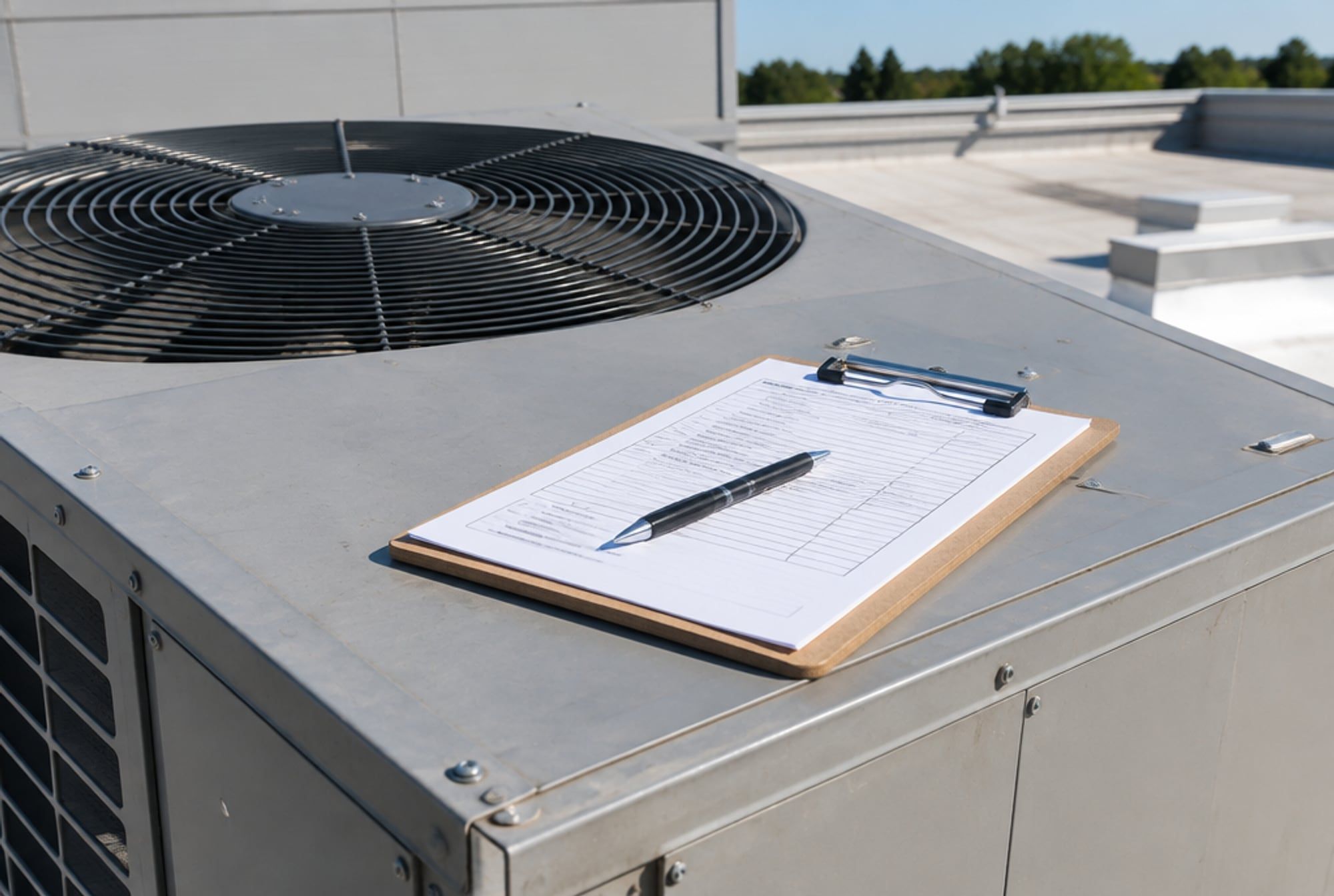
- Texas licensing · September 29, 2026TDLR Chapter 75 Rules for ACR Contractors: 2026 OverviewChapter 75 of Title 16 of the Texas Administrative Code is the rulebook the Texas Department of Licensing and Regulation uses to administer air conditioning and refrigeration contractor requirements: license classes, applications, advertising, inspections and penalties. TDLR reviewed and proposed changes in 2026. Exact wording, effective dates and fees must be checked on tdlr.texas.gov, because summaries go out of date quickly.

- Business · September 28, 2026Selling an HVAC Business Before Retirement: TimelineOwners planning to retire should start preparing 12 to 36 months before a sale: clean financial records, understand valuation, document operations, keep the team in place and plan how the contractor license holder role will be handled after closing. Buyers range from employees and local competitors to larger regional companies. A transition period with the owner is common. Involve a Texas attorney and an accountant early.
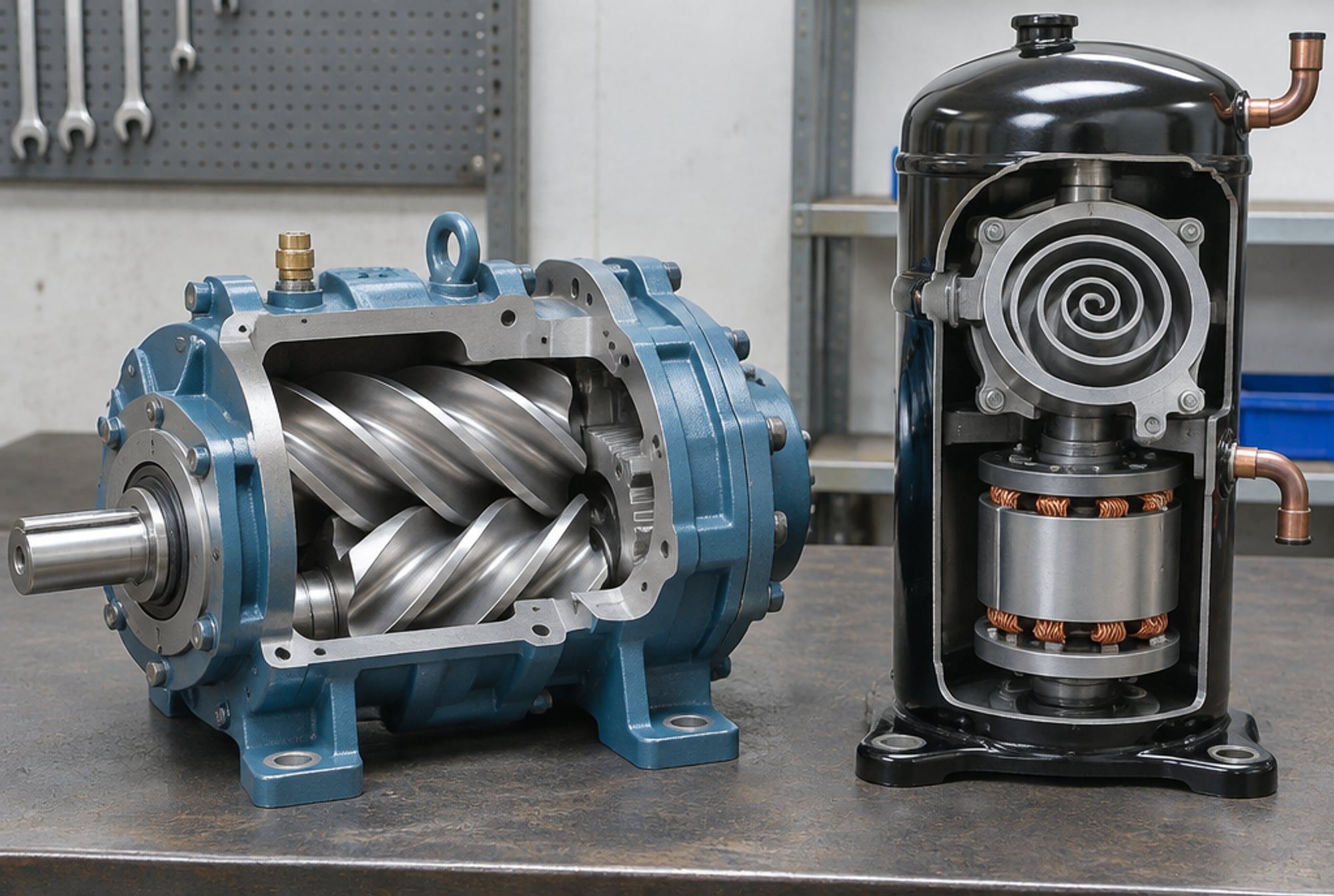
- Compressors · September 27, 2026Screw vs Scroll Compressors: Differences and Use CasesScroll compressors are compact, quiet and efficient at small to mid capacities and are usually sealed units that are replaced rather than overhauled. Screw compressors cover mid to very large capacities, handle high pressure ratios and varying loads with slide valves or variable speed, and are built to be inspected and overhauled. The right choice depends mainly on capacity, duty and who will maintain the machine.
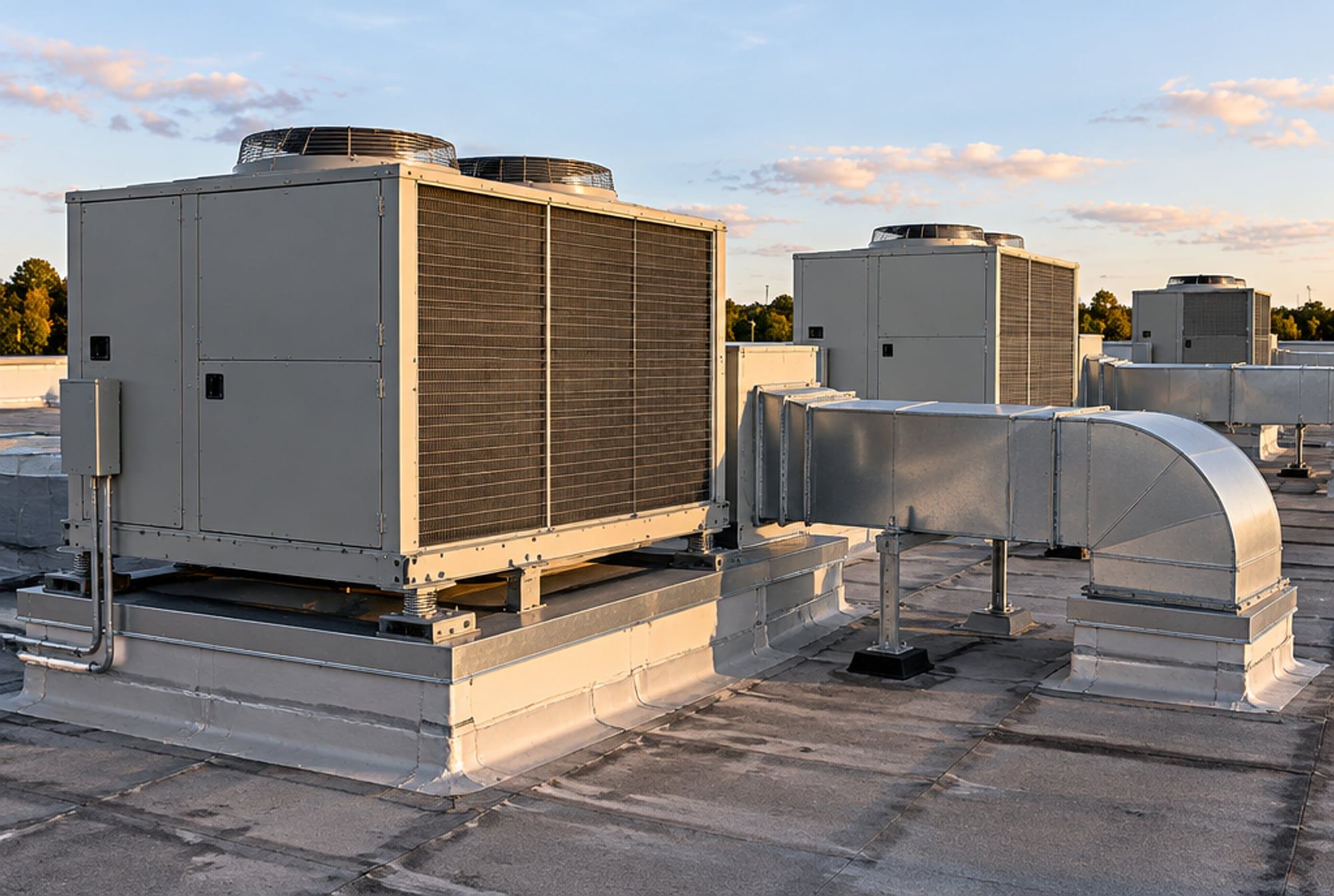
- Commercial HVAC · September 26, 2026Rooftop Units (RTU) Basics and the A2L TransitionA rooftop unit is a packaged heating and cooling system that sits on a roof and supplies air through ducts. Most last roughly 15 to 20 years, with compressors, fans, economizers and heat exchangers the main wear parts. New units are moving to A2L refrigerants because of EPA and AIM Act limits, and the 2026 rule changes altered some dates, so owners should inventory equipment and check current EPA and Texas code requirements before planning replacements.
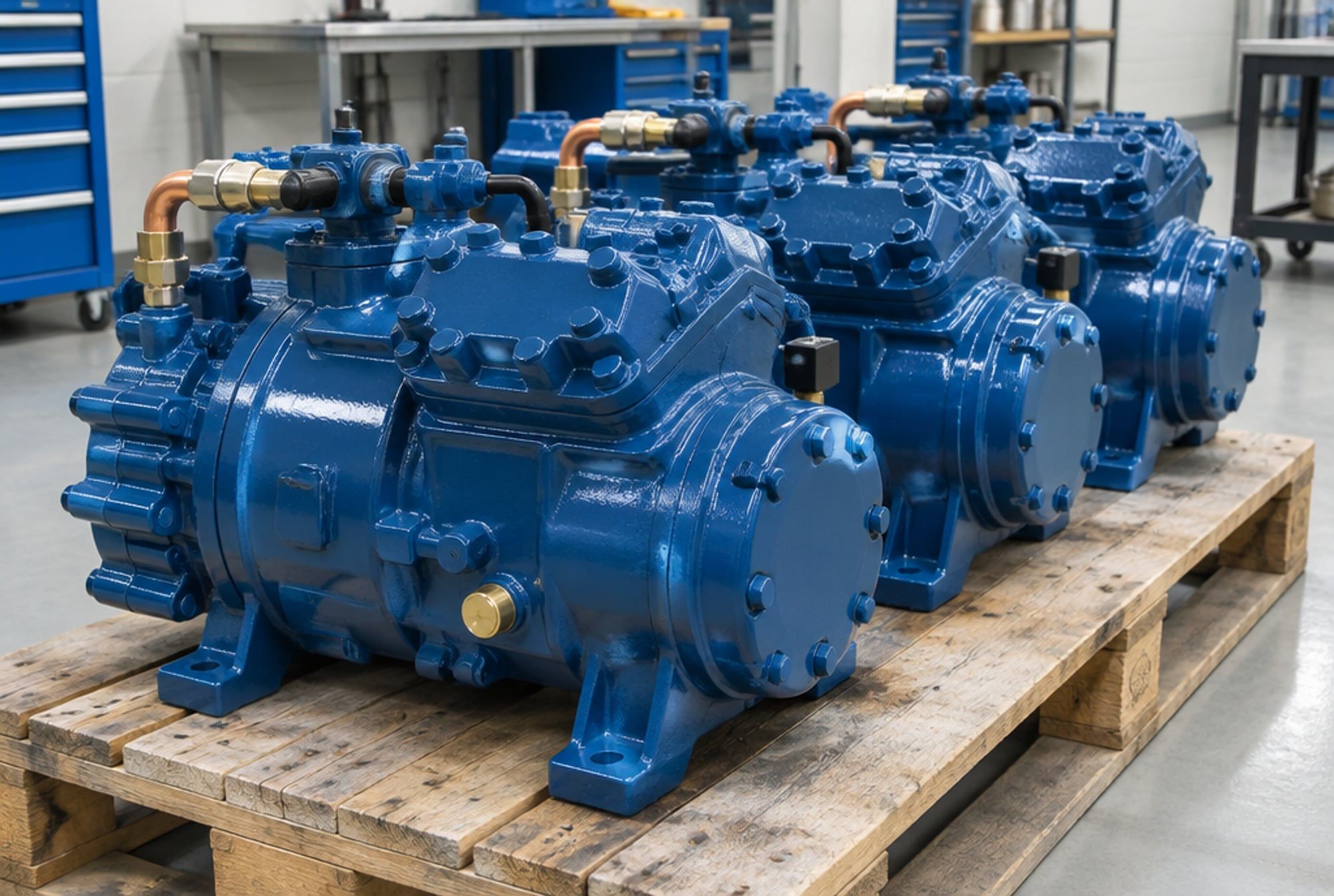
- Compressors · September 25, 2026Remanufactured vs New Compressors: What to CompareA remanufactured compressor is a used unit that has been fully disassembled, cleaned, inspected, restored with new or reconditioned parts to specification and tested. A rebuilt or repaired unit may have had far less work, and the terms are not standardized, so buyers should ask what was replaced, what was tested and what the warranty covers. Remanufactured units can make sense for discontinued models, long lead times and budget limits, as long as the quality process is documented.
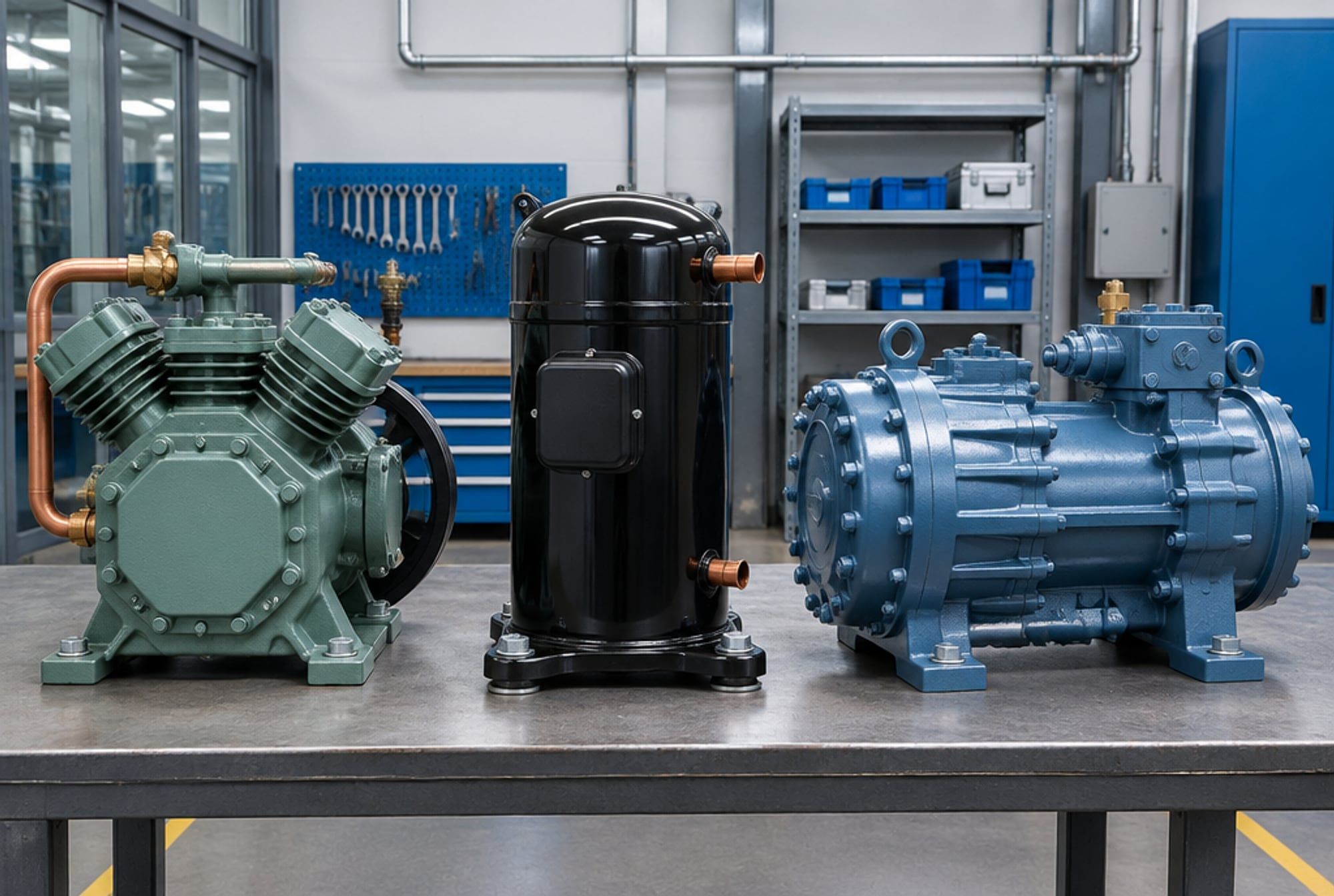
- Compressors · September 24, 2026Refrigeration Compressor Types: Complete GuideRefrigeration compressors are positive-displacement (reciprocating, scroll, screw) or dynamic (centrifugal). Scroll fits small to mid capacity, reciprocating covers a wide range, screw dominates mid to large industrial duty and centrifugal serves very large chillers. Each can be hermetic, semi-hermetic or open drive, which decides serviceability and refrigerant compatibility.
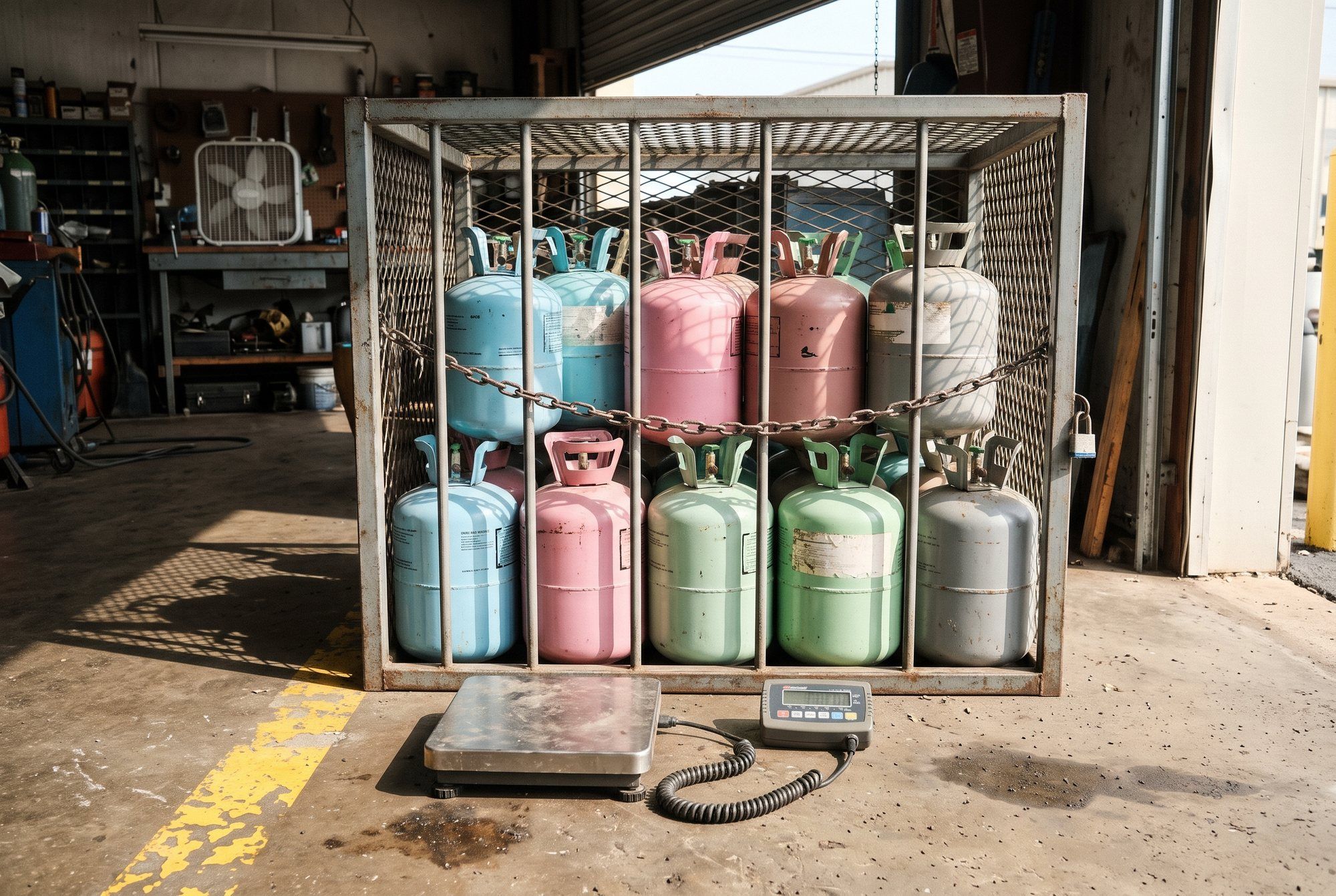
- Refrigerants · September 23, 2026Refrigerants: what is changing in 2026In 2026 the US HFC rules under the AIM Act reach industrial refrigeration: new process chillers and industrial systems face GWP limits, and leak repair and automatic leak detection requirements took effect on January 1, 2026. Existing equipment can keep running on its current refrigerant, and a May 2026 EPA rule pushed some deadlines, such as cold storage warehouses, out to 2032 with interim limits.
Subscribe
New articles, by email.
Let’s build it together.