

Insights
Compressor, chiller and refrigerant guides, page 7
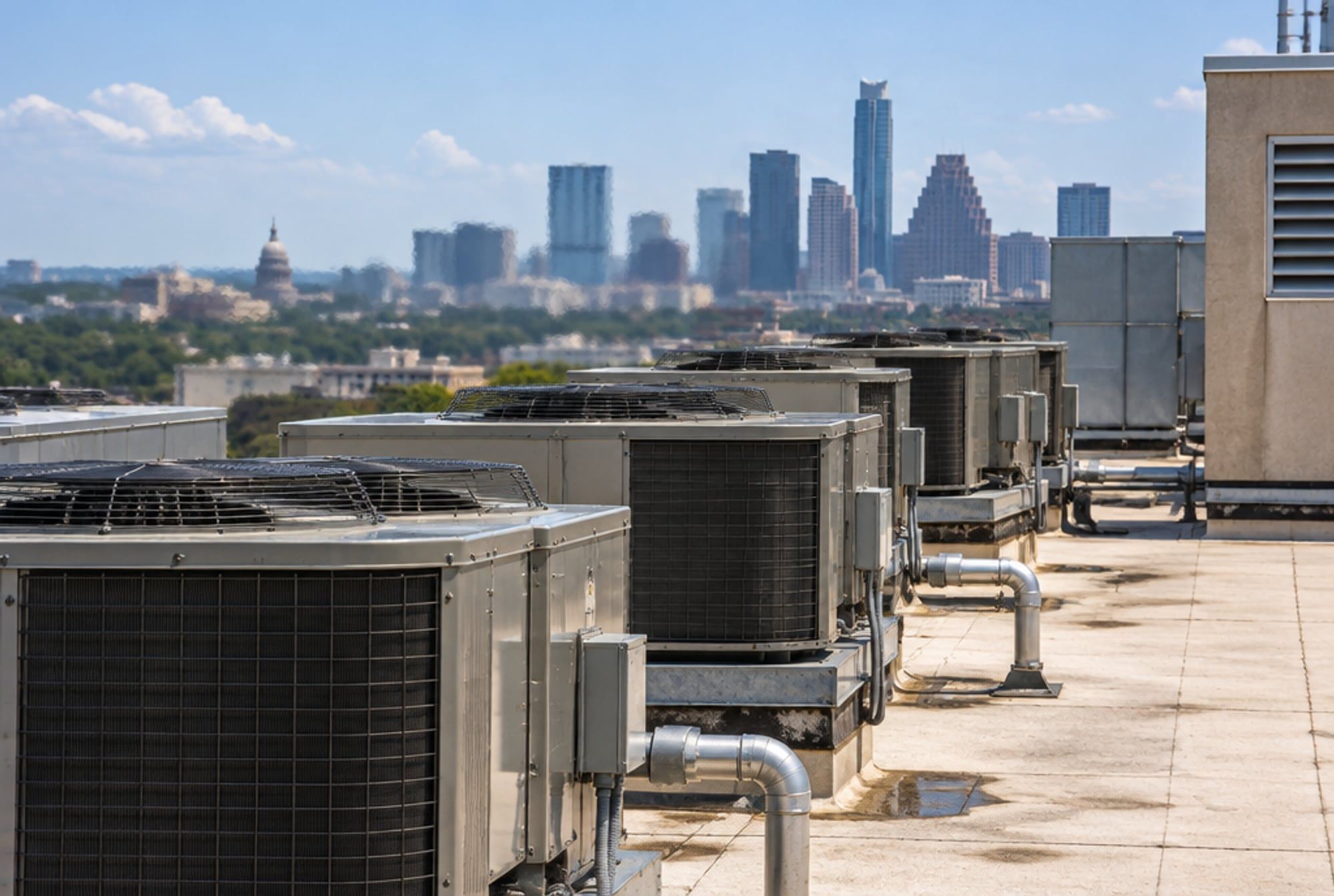
- Energy · August 29, 2026ERCOT Summer Peaks and Commercial Cooling LoadTexas summer peaks occur on hot weekday late afternoons, when air conditioning is at its highest. In commercial buildings cooling is often among the largest electric loads, so shifting or trimming it through scheduling, setpoint control, demand response and thermal storage can reduce demand charges and ease grid stress.
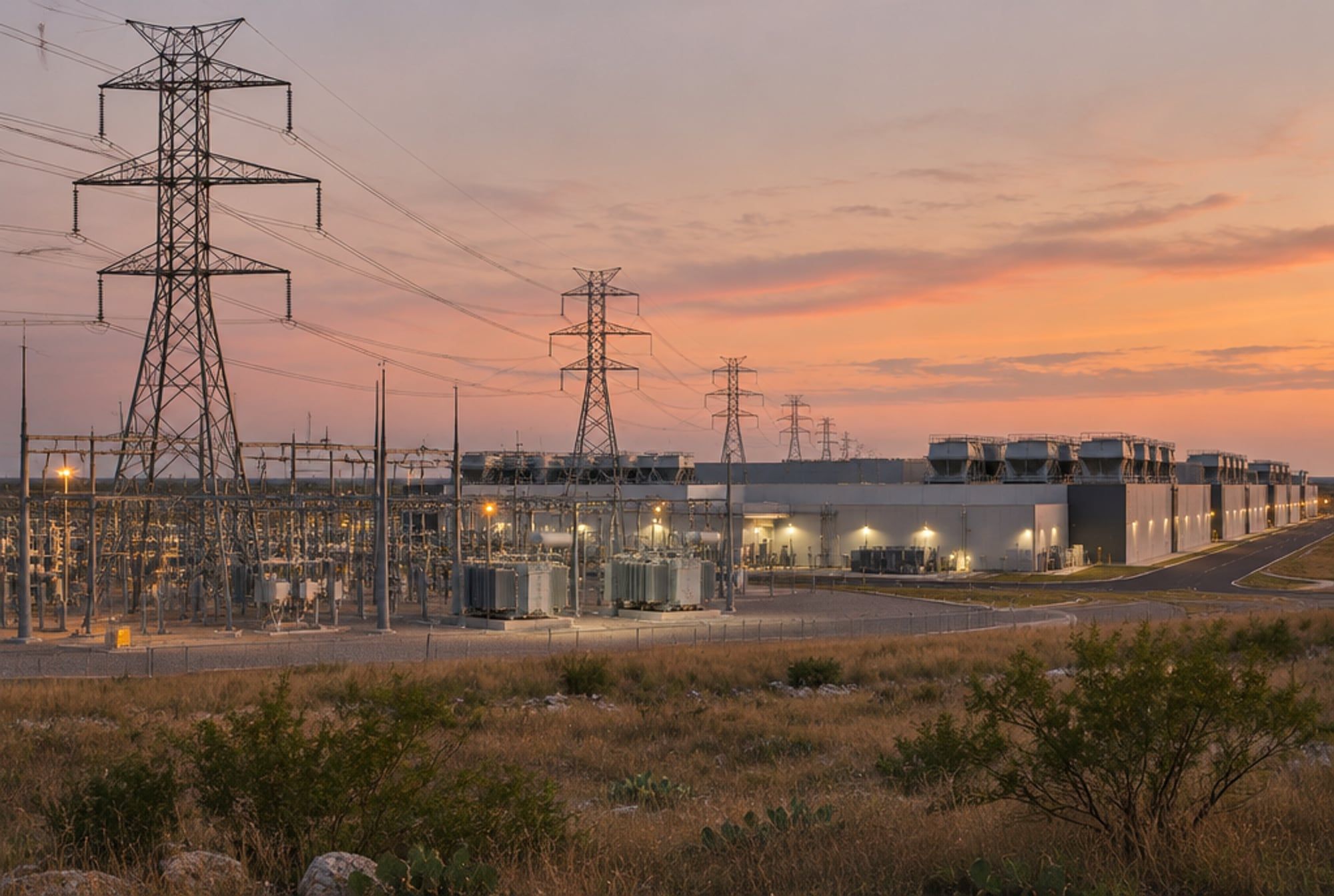
- Energy · August 28, 2026ERCOT Large Loads and Data Center Cooling DesignLarge new loads such as data centers draw attention from ERCOT and the Texas PUC because they add demand quickly. Cooling is often the biggest non-IT load, so efficient and flexible cooling design reduces requested capacity and helps with curtailment. Rules are changing; check ERCOT and the PUC for current requirements.
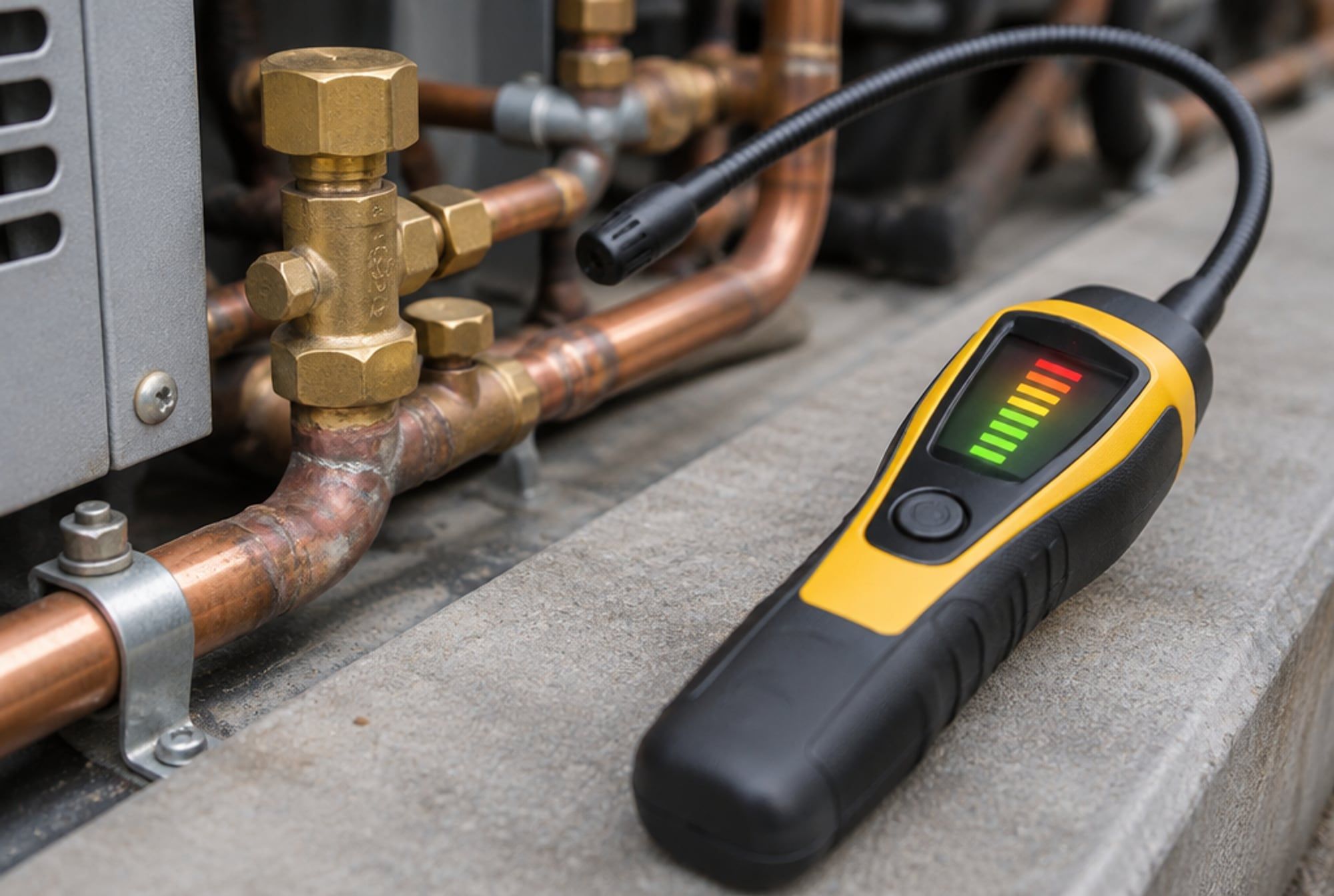
- Refrigerants · August 27, 2026EPA 608 Leak Repair Rules: 15 lb Threshold ExplainedSince January 1, 2026, EPA's AIM Act refrigerant management rule requires owners and operators of appliances holding 15 pounds or more of an HFC or HFC substitute with GWP above 53 to repair leaks once the annual leak rate passes a threshold, typically 10, 20 or 30 percent depending on the sector. Older Section 608 leak repair rules for ozone-depleting refrigerants still apply at 50 pounds. Records are required. Check the current rule text for exact deadlines.
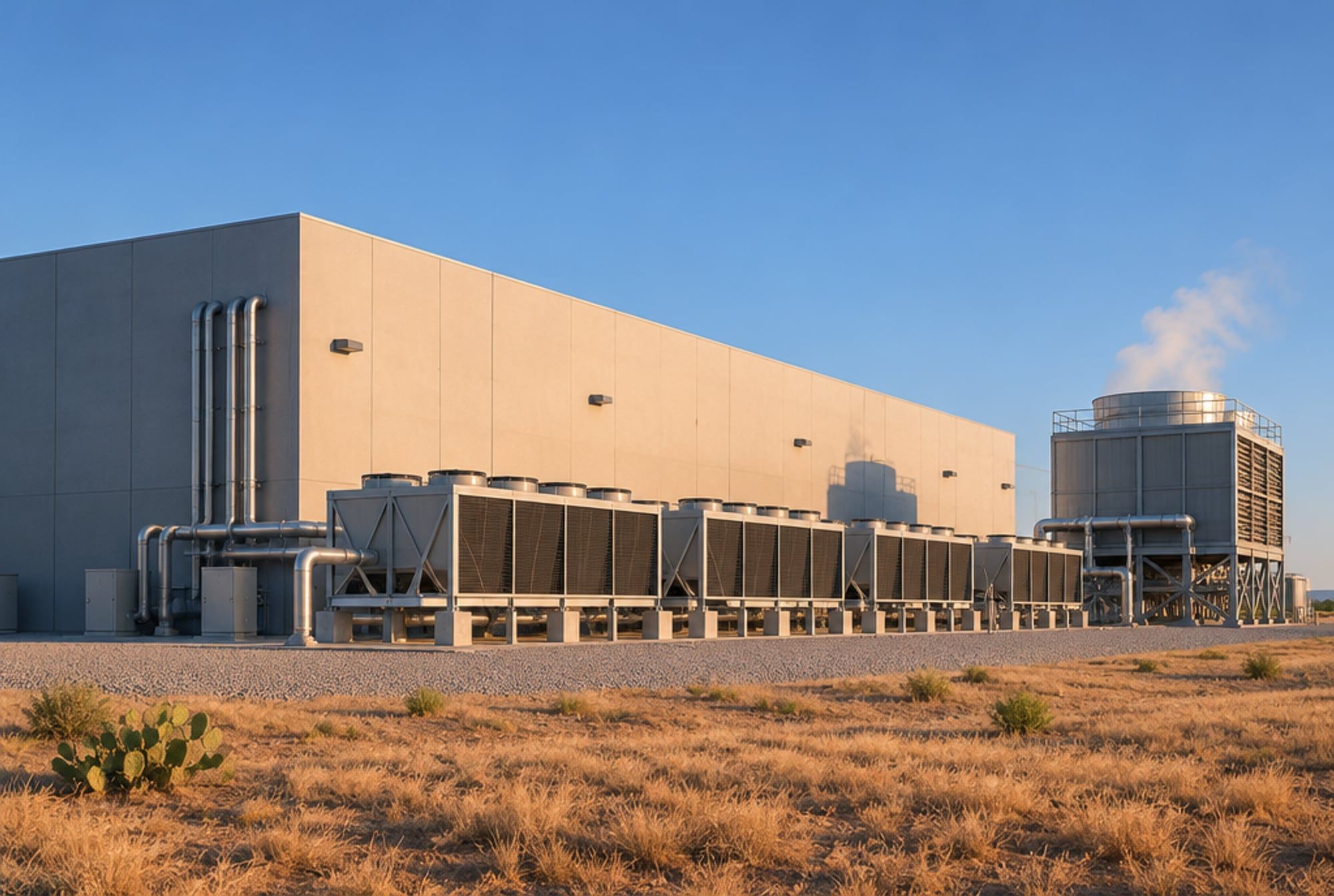
- Data centers · August 26, 2026Data Center Cooling Explained: Systems, Chillers, WaterData center cooling removes the heat produced by servers and rejects it outdoors. Most facilities use air cooling with chilled water from chillers, plus containment and free cooling where the climate allows. As AI racks climb past 40 kW, liquid cooling is added. In Texas, heat and water supply shape the choice between air-cooled and water-cooled plants.

- Data centers · August 25, 2026Data Center Chillers vs Cooling Towers in TexasTexas heat pushes data center designers to choose between water-cooled chillers with cooling towers, which are efficient but consume water, and air-cooled chillers or dry coolers, which save water but use more electricity in summer. Hybrid designs and warmer liquid-cooling loops can shift the balance. The right choice depends on load, water access and power cost.
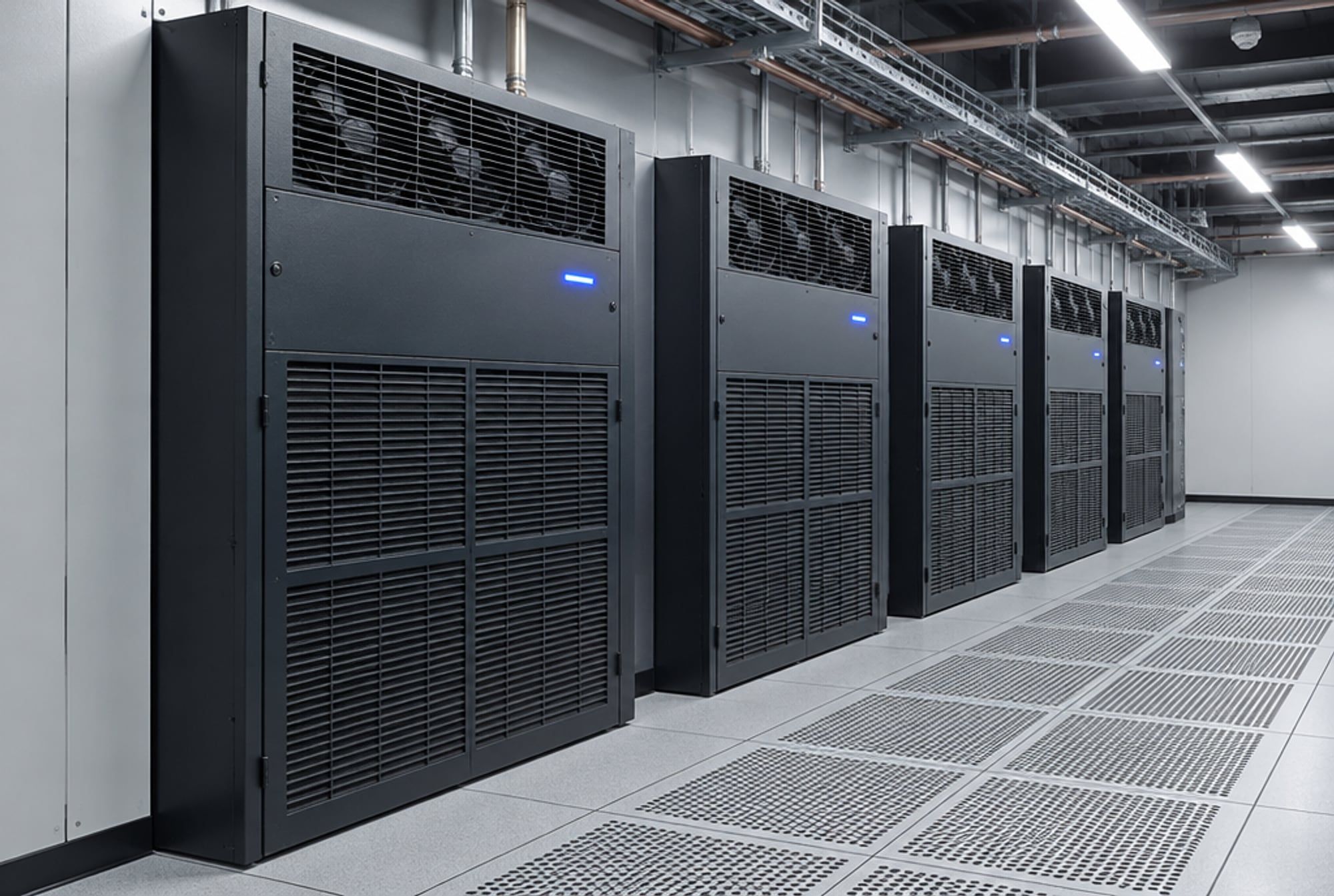
- Data centers · August 24, 2026CRAC vs CRAH vs Chiller: Data Center Cooling UnitsA CRAC unit is a computer room air conditioner with its own compressor and refrigerant circuit (DX). A CRAH unit is an air handler that uses chilled water from a chiller. A chiller is the central plant that makes the chilled water. CRAC suits small rooms; CRAH with chillers suits larger halls and allows higher efficiency.
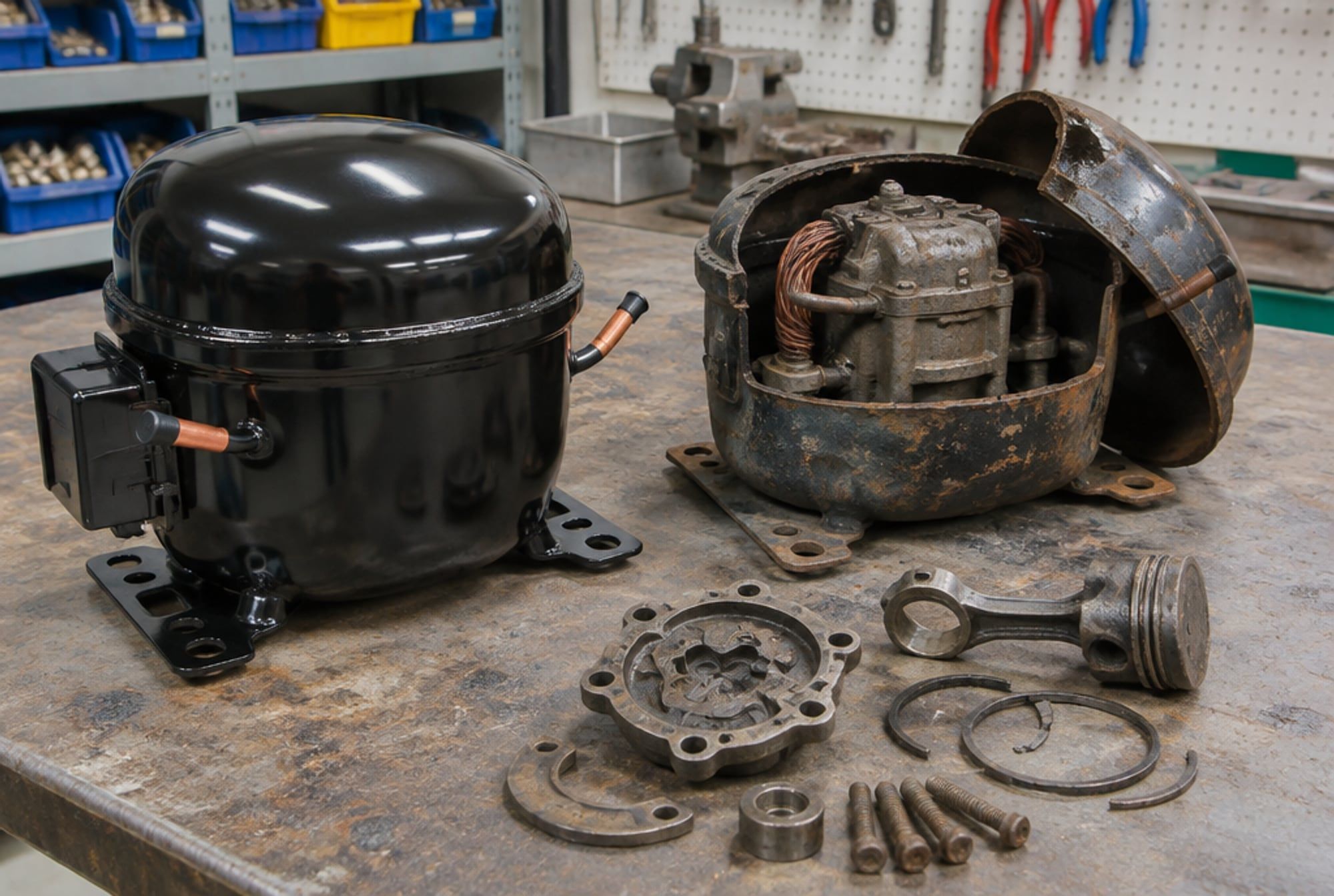
- Compressors · August 23, 2026Compressor Rebuild vs Replace: How to DecideRebuilding usually makes sense for large, serviceable compressors such as open-drive and semi-hermetic screw or reciprocating machines when parts are available and the housing is sound. Replacement usually wins for small hermetic and scroll units, badly contaminated systems, obsolete models or refrigerant changes. The decision should compare lifecycle cost, downtime and risk, not only the invoice.
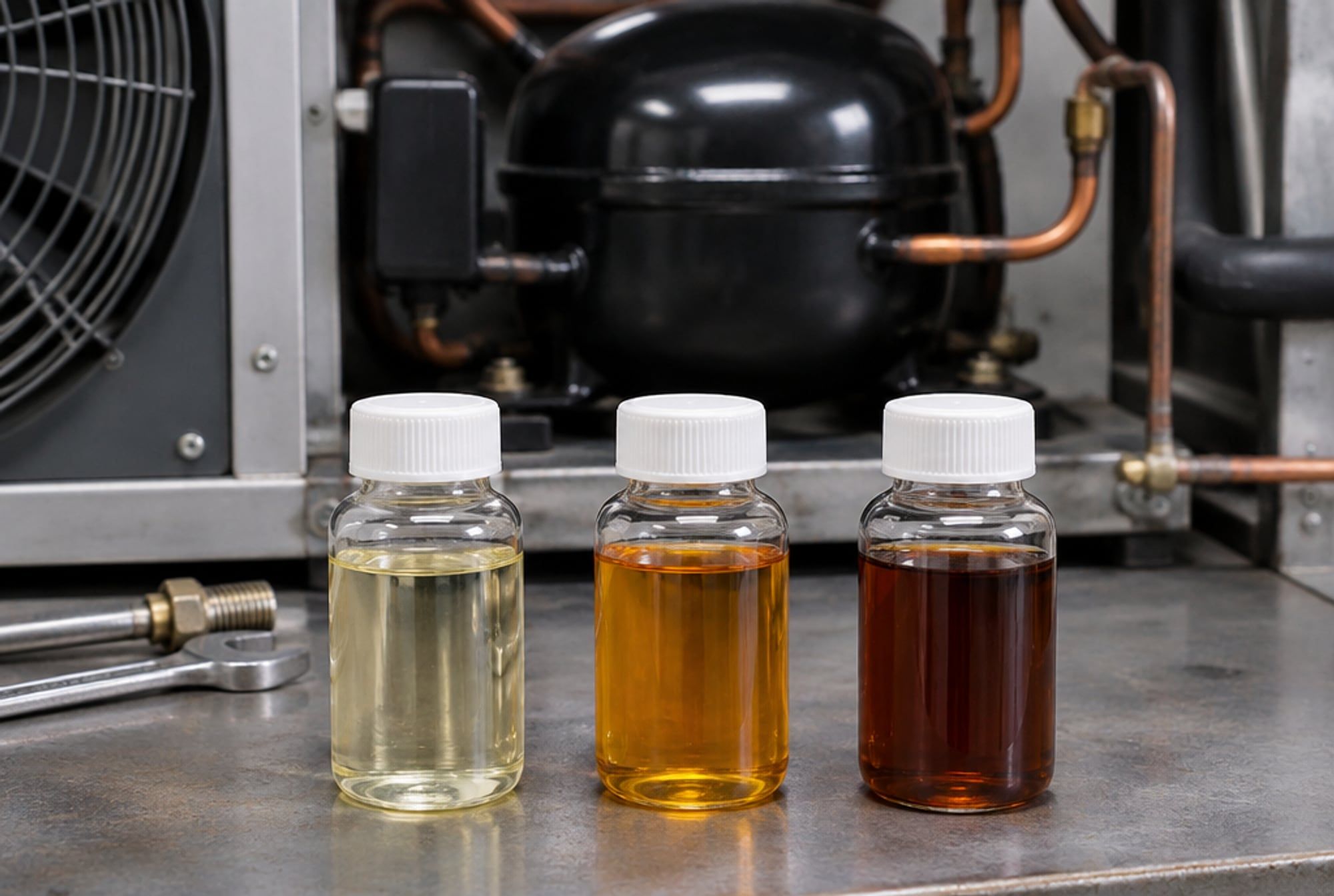
- Compressors · August 22, 2026POE, PAG and Mineral Oil: Refrigeration Oil TypesRefrigeration oil must mix well enough with the refrigerant to return to the compressor. Mineral and alkylbenzene oils suit CFCs and HCFCs, POE oil is the standard for most HFC and HFO systems, PAG is common in automotive air conditioning, and PAO or other synthetics serve ammonia and some hydrocarbon systems. POE absorbs moisture quickly, and mixing oil types can cause lubrication failure, so always follow the compressor manufacturer's approved list.
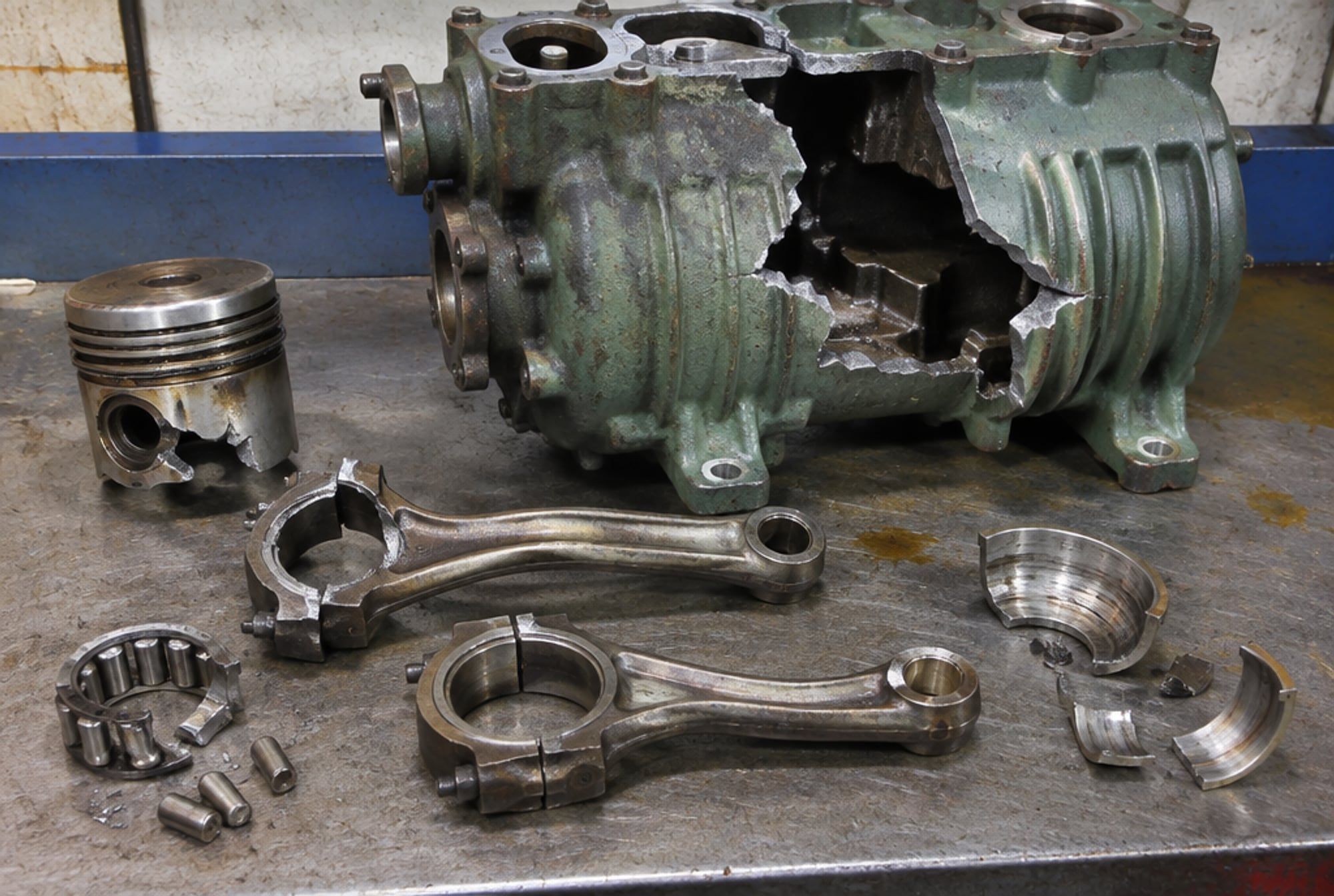
- Compressors · August 21, 2026Compressor Failure Causes: A Root-Cause Guide for TeamsMost compressor failures are symptoms of a problem elsewhere in the system. The six main cause groups are mechanical wear, electrical faults, lubrication loss, liquid refrigerant in the compressor, contamination such as moisture and debris, and system faults like high condensing pressure or poor controls. Finding the root cause before replacing the compressor is what prevents a repeat failure.
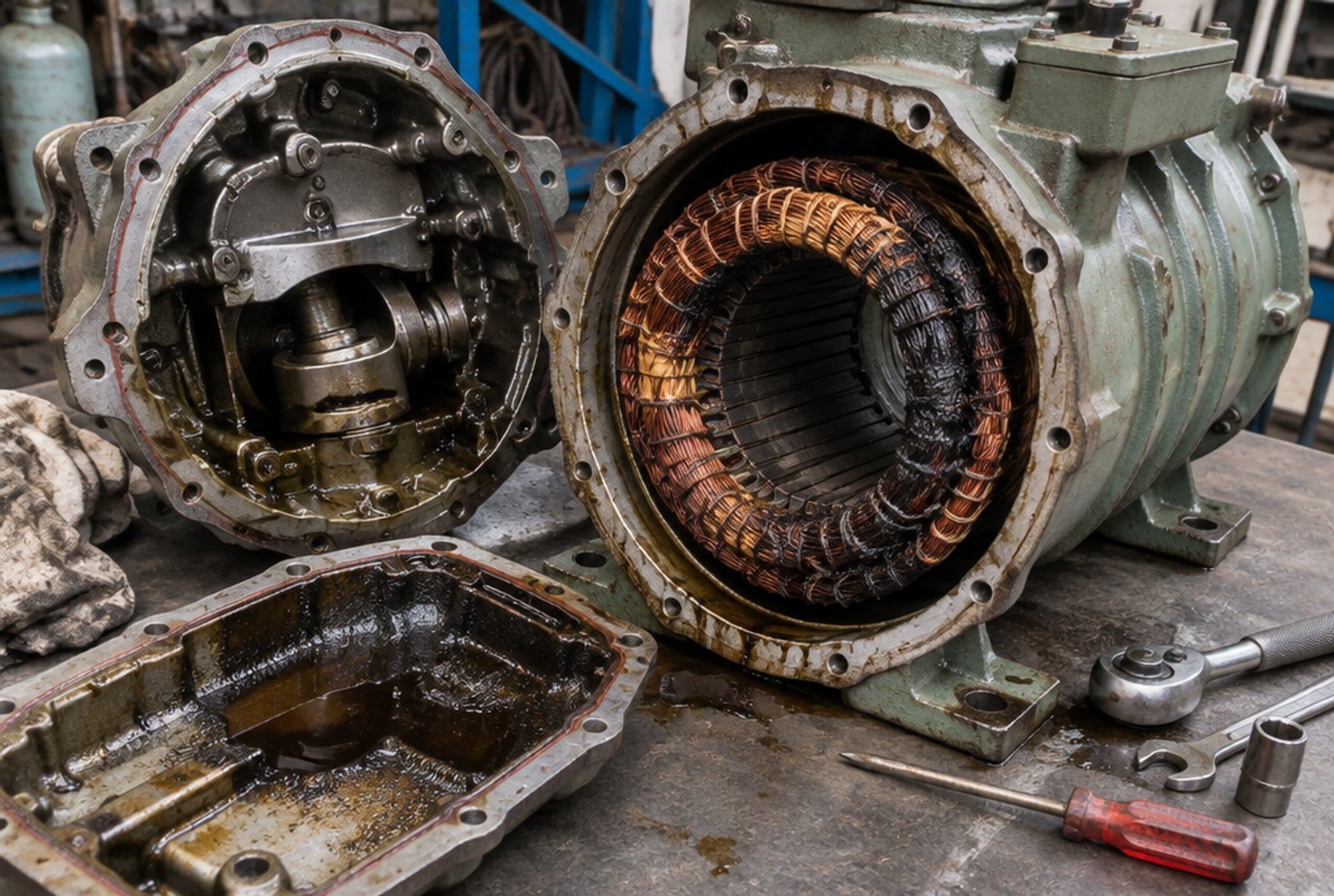
- Compressors · August 20, 2026Compressor Burnout: Causes, Symptoms and TestingCompressor burnout is the failure of the motor windings in a hermetic or semi-hermetic compressor, usually from overheating, electrical faults, loss of lubrication or contamination. Warning signs include tripped breakers, a burnt smell, dark acidic oil and high amps. Replacing the compressor without finding and removing the cause and cleaning the system usually leads to a repeat failure.
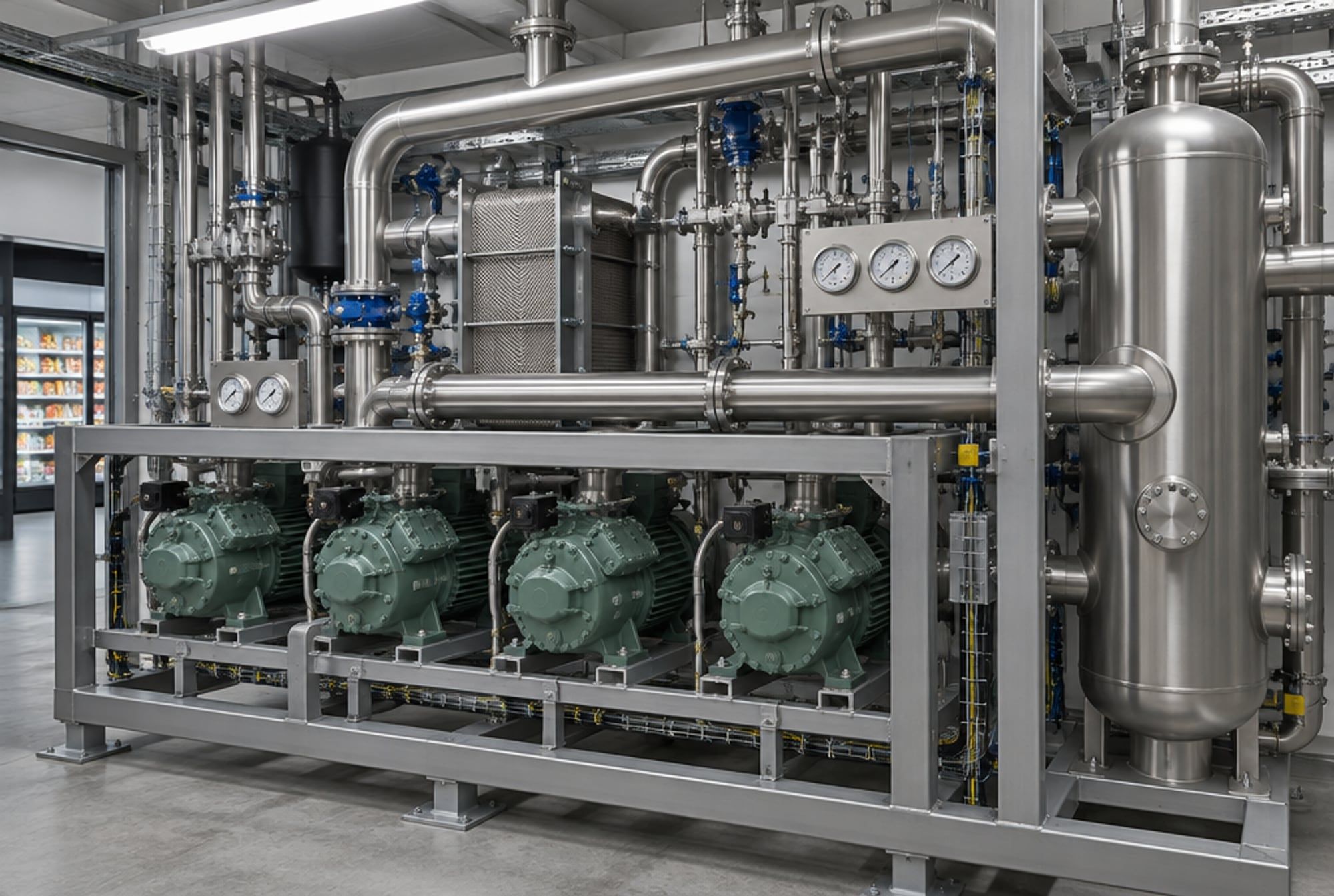
- Refrigerants · August 19, 2026CO2 Transcritical Refrigeration: How It WorksA CO2 transcritical system uses R-744 (carbon dioxide) as the refrigerant and rejects heat above its critical point of about 88°F, so there is no condensation on the high side. A gas cooler replaces the condenser, and high-side pressure can reach about 1,500 psi. The refrigerant has a GWP of 1, but efficiency falls in hot weather unless the design adds ejectors, parallel compression or subcooling.
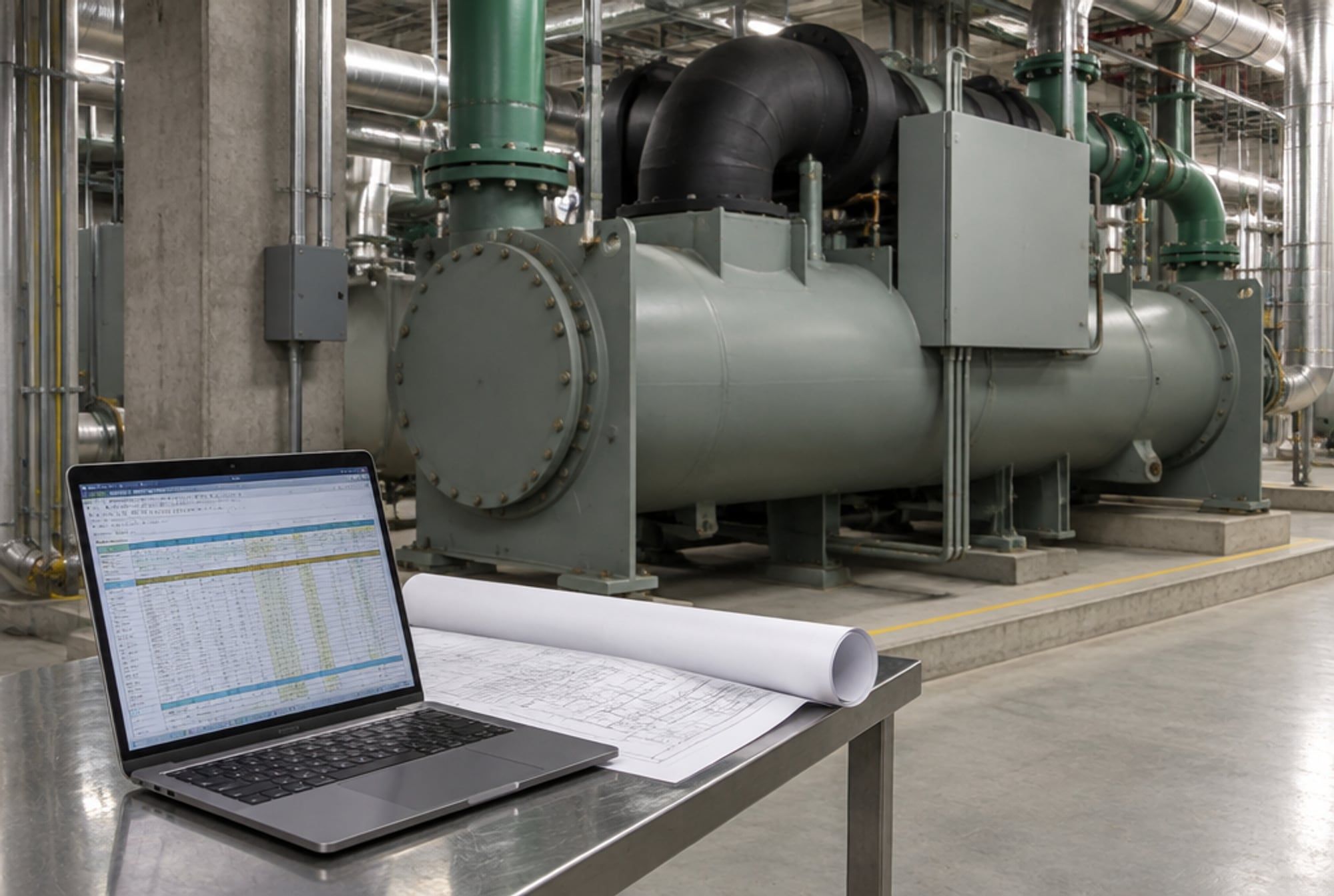
- Chillers · August 18, 2026Chiller Sizing Basics: Tons, Load Calculation, Part LoadChiller sizing starts with the peak cooling load in tons, found with a load calculation or measured flow and temperature difference: tons = GPM x delta-T / 24. Apply diversity for loads that do not peak together, add only a modest safety margin, and check part-load behavior, because chillers rarely run at full capacity. Oversizing causes short cycling, poor efficiency and humidity or control problems.
Subscribe
New articles, by email.
Let’s build it together.