

Insights
Compressor, chiller and refrigerant guides, page 3
- Careers · October 16, 2026Refrigeration vs. HVAC Technician: Key DifferencesHVAC technicians mainly work on comfort heating, cooling and ventilation, while refrigeration technicians work on systems that hold a product or process at a set temperature, such as walk-in coolers, cold storage and industrial plants. The trades share the refrigeration cycle and EPA 608 requirements, but differ in equipment, temperatures, controls and typical employers.
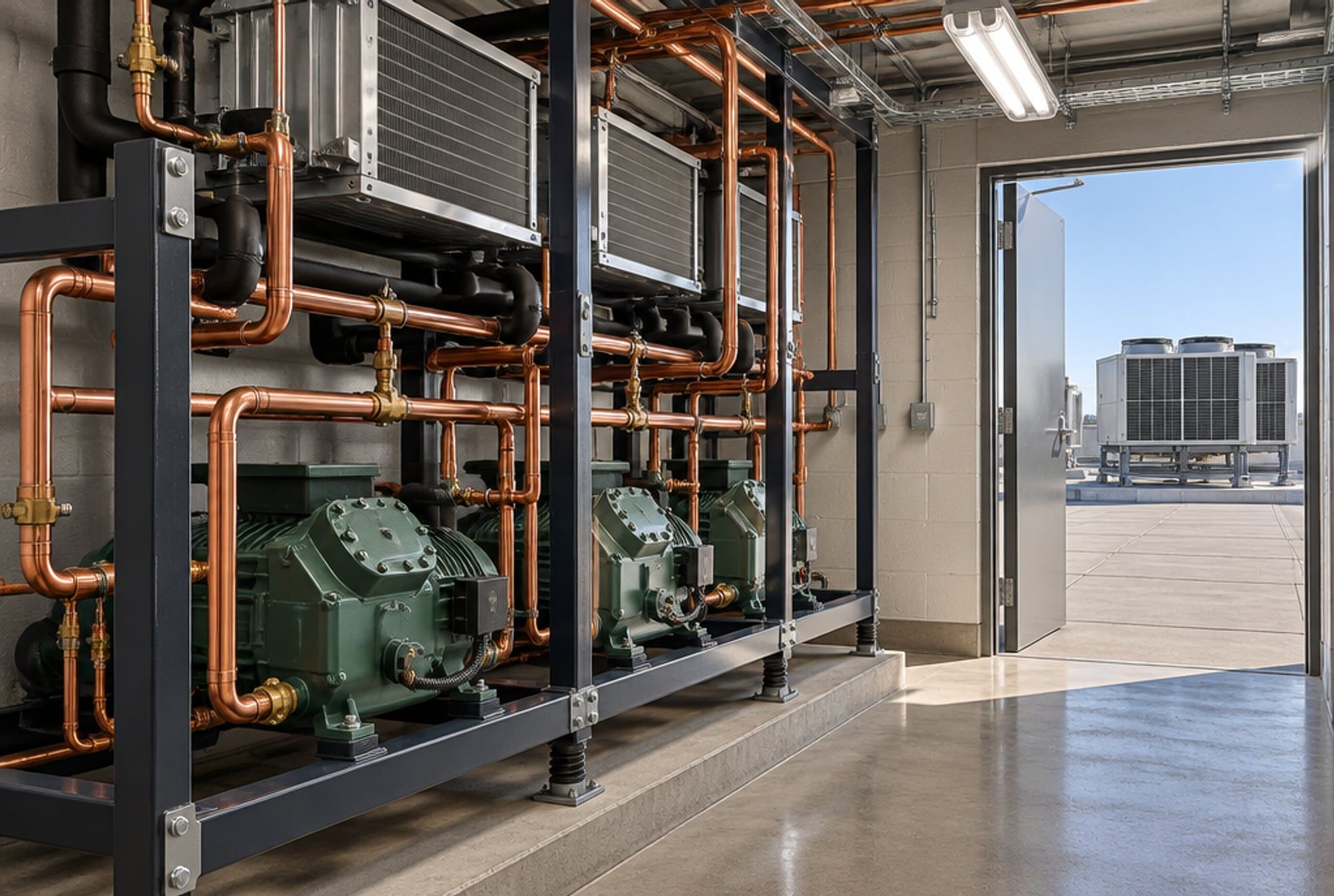
- Careers · October 15, 2026HVAC Technician Salary in Austin: How to Read the DataThe most reliable source for HVAC technician pay in Austin is the Bureau of Labor Statistics OEWS survey, which reports wages by occupation and metro area as percentiles. Pay depends on experience, certifications, equipment type, shift structure and employer. Read the percentiles, not just the average, and compare total compensation, not only the hourly rate.

- Compressors · October 14, 2026What oil analysis tells youOil analysis shows the condition of the oil and, through it, the condition of the compressor: whether the oil can still protect the machine, whether contaminants such as water, acid or dirt are getting in, and which parts are wearing. Its real value comes from trends across regular samples, which often reveal bearing wear, moisture or overheating long before the compressor shows symptoms.

- Refrigerants · October 13, 2026What Is the AIM Act? HFC Phasedown ExplainedThe AIM Act is a 2020 federal law that directs EPA to cut U.S. production and import of hydrofluorocarbon (HFC) refrigerants by 85% below a 2011–2013 baseline by 2036. It works through three programs: a phasedown of HFC allowances, management rules for leaks and reclaimed refrigerant, and sector limits on the global warming potential of new equipment. Existing systems can keep running; the pressure falls on new equipment, supply and price.
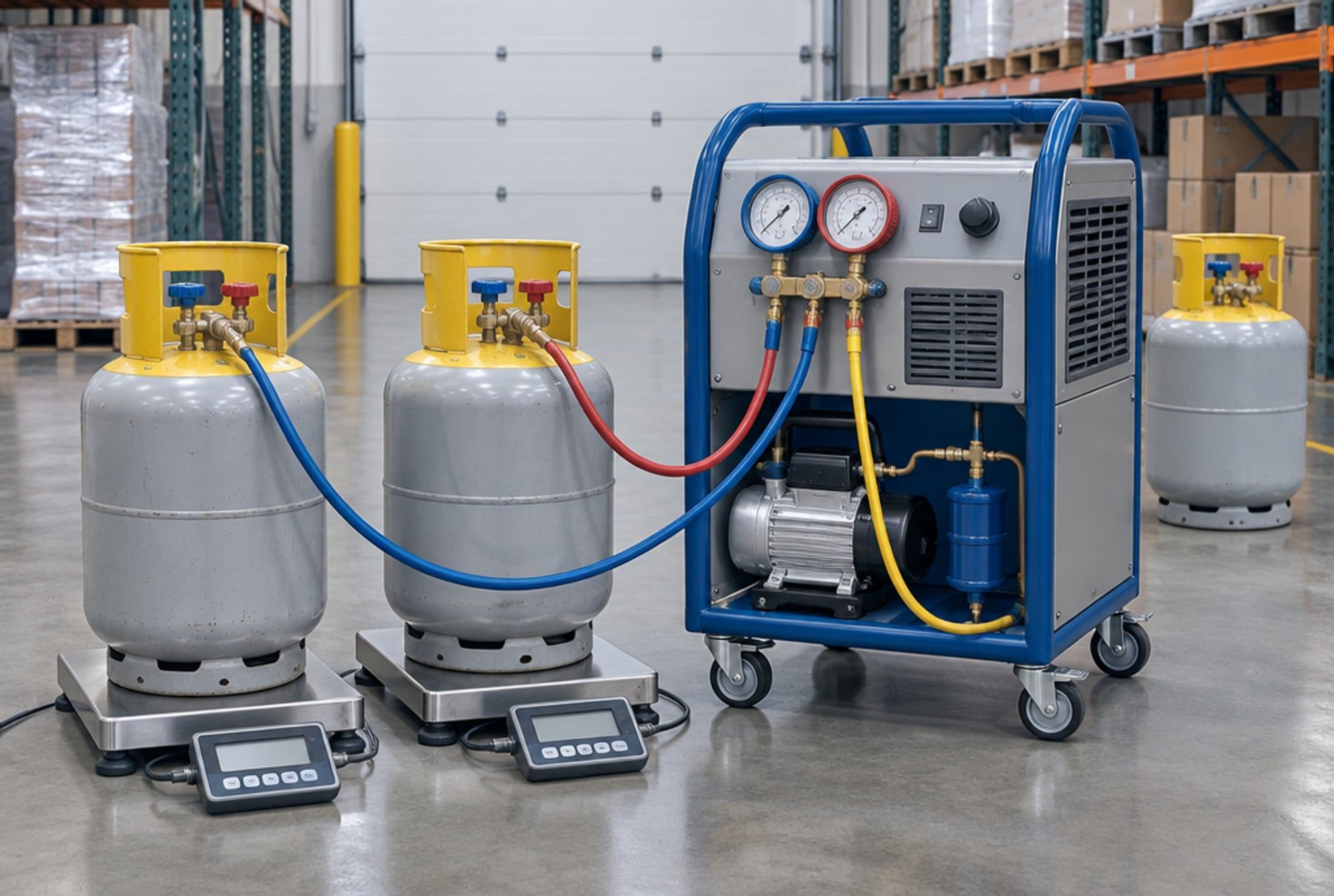
- Chillers · October 12, 2026Water-Cooled Chillers: Components and ApplicationsA water-cooled chiller has a compressor, evaporator, condenser and expansion device, and it rejects heat to condenser water that runs to a cooling tower. Because it condenses against water rather than hot air, it is typically more efficient and longer-lived than an air-cooled unit, but needs a tower, pumps and water treatment. It suits large, continuous loads.
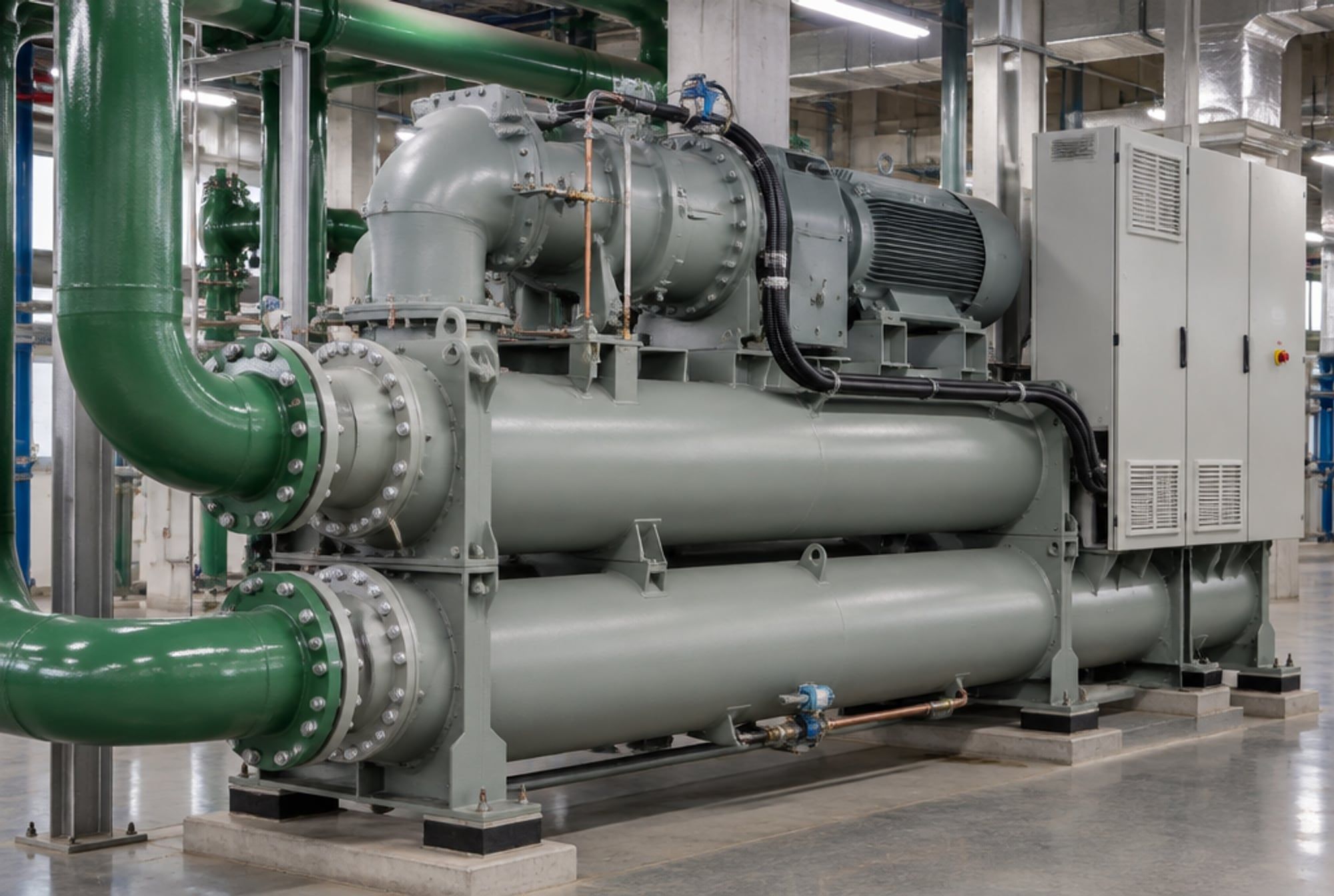
- Commercial HVAC · October 11, 2026Walk-In Freezer vs Walk-In Cooler: Key DifferencesA walk-in cooler holds food above freezing, typically around 35 to 41 degrees F, while a walk-in freezer holds it at or below 0 degrees F. That temperature gap drives every other difference: thicker insulation, electric or hot-gas defrost, heated door frames and floors, different evaporators and compressors, and much higher energy use. Both must be built and maintained to hold food at safe temperatures.
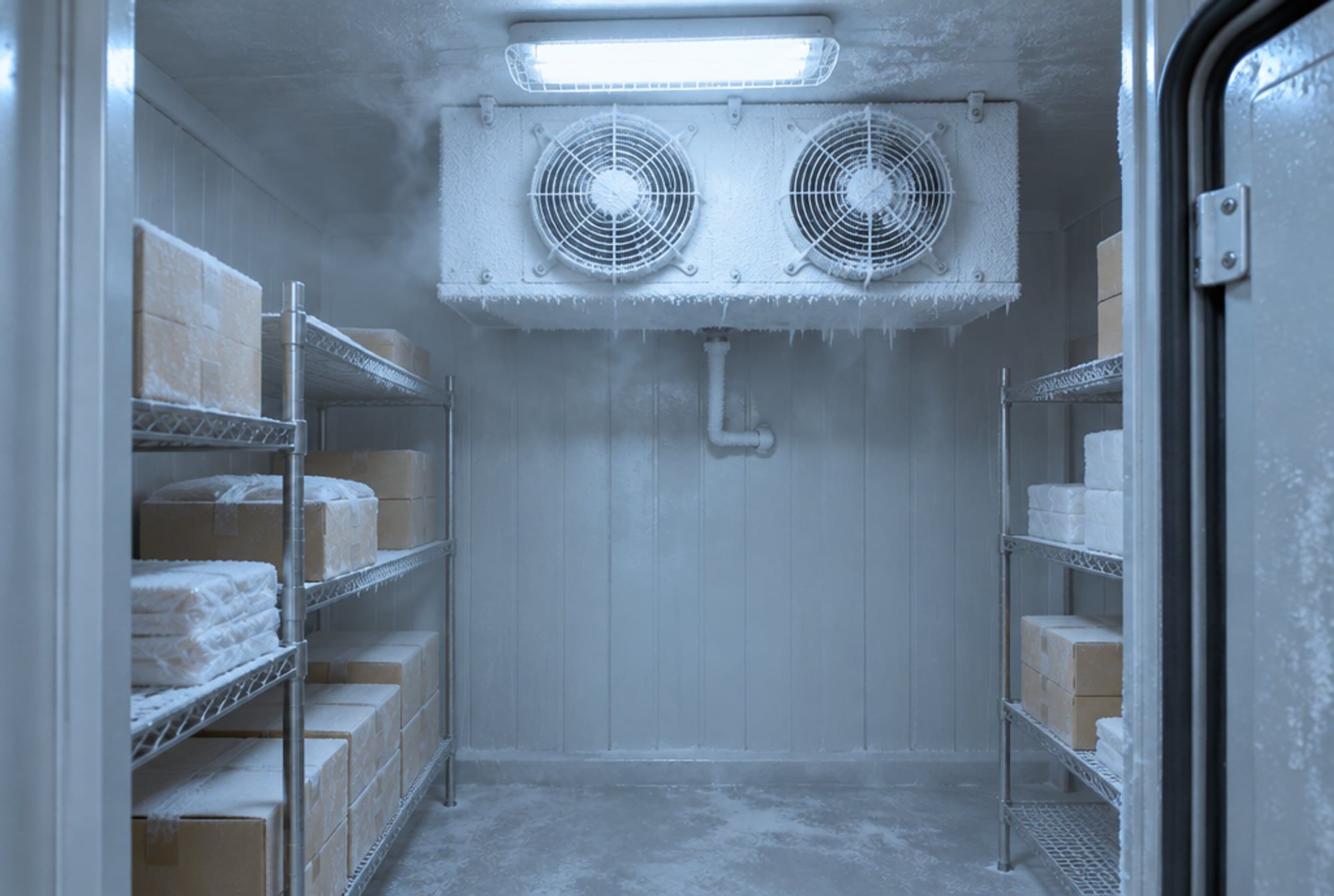
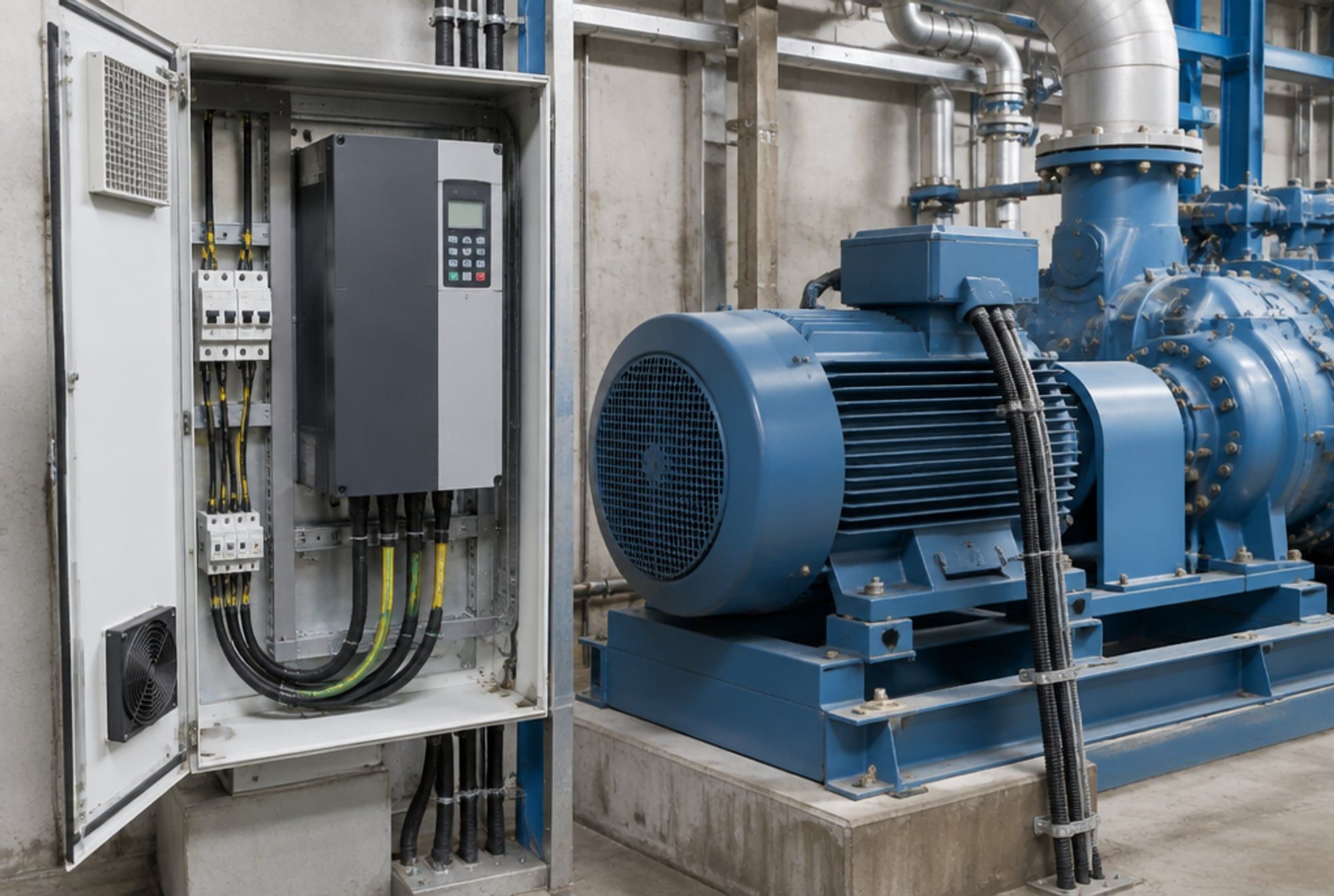
- Compressors · October 10, 2026VFD and Inverter Compressors: How Variable Speed WorksA variable frequency drive (VFD) changes the electrical frequency to a compressor motor so the compressor speed, and therefore its capacity, follows the load. At part load this can cut energy use compared with on/off cycling, unloading slides or hot-gas bypass, and it lowers inrush current. Limits include a restricted speed range for oil return and lubrication, added electrical harmonics and cost, so the design must follow the manufacturer's operating envelope.
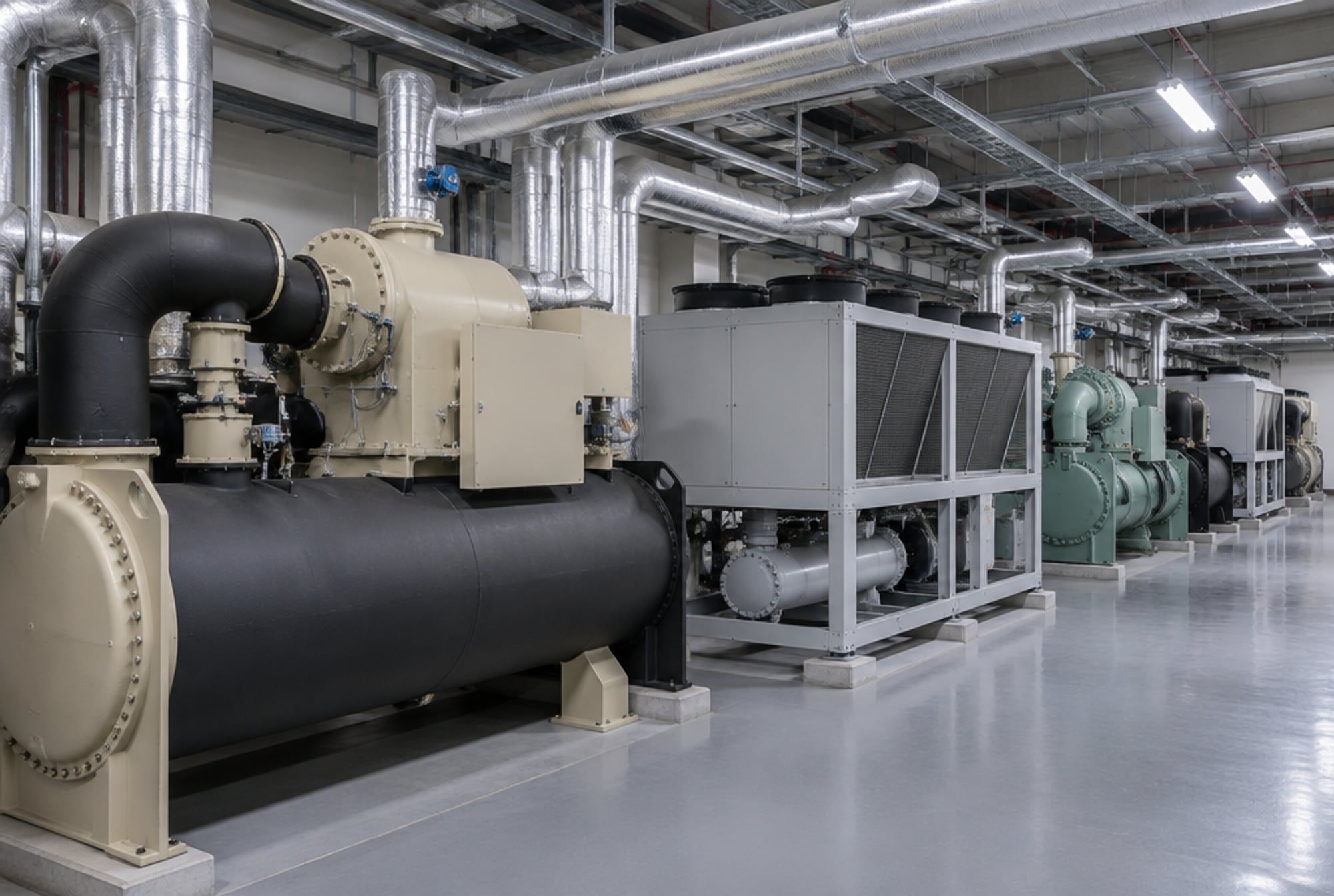
- Chillers · October 9, 2026Types of Chillers: Screw, Scroll, Centrifugal and MoreChillers are classified by how they compress refrigerant (scroll, screw, reciprocating, centrifugal) or use heat instead of a compressor (absorption), and by how they reject heat (air-cooled or water-cooled). Scroll suits small loads, screw the middle range, and centrifugal the largest plants. The best type depends on load size, efficiency goals, ambient conditions, water availability and maintenance capacity.
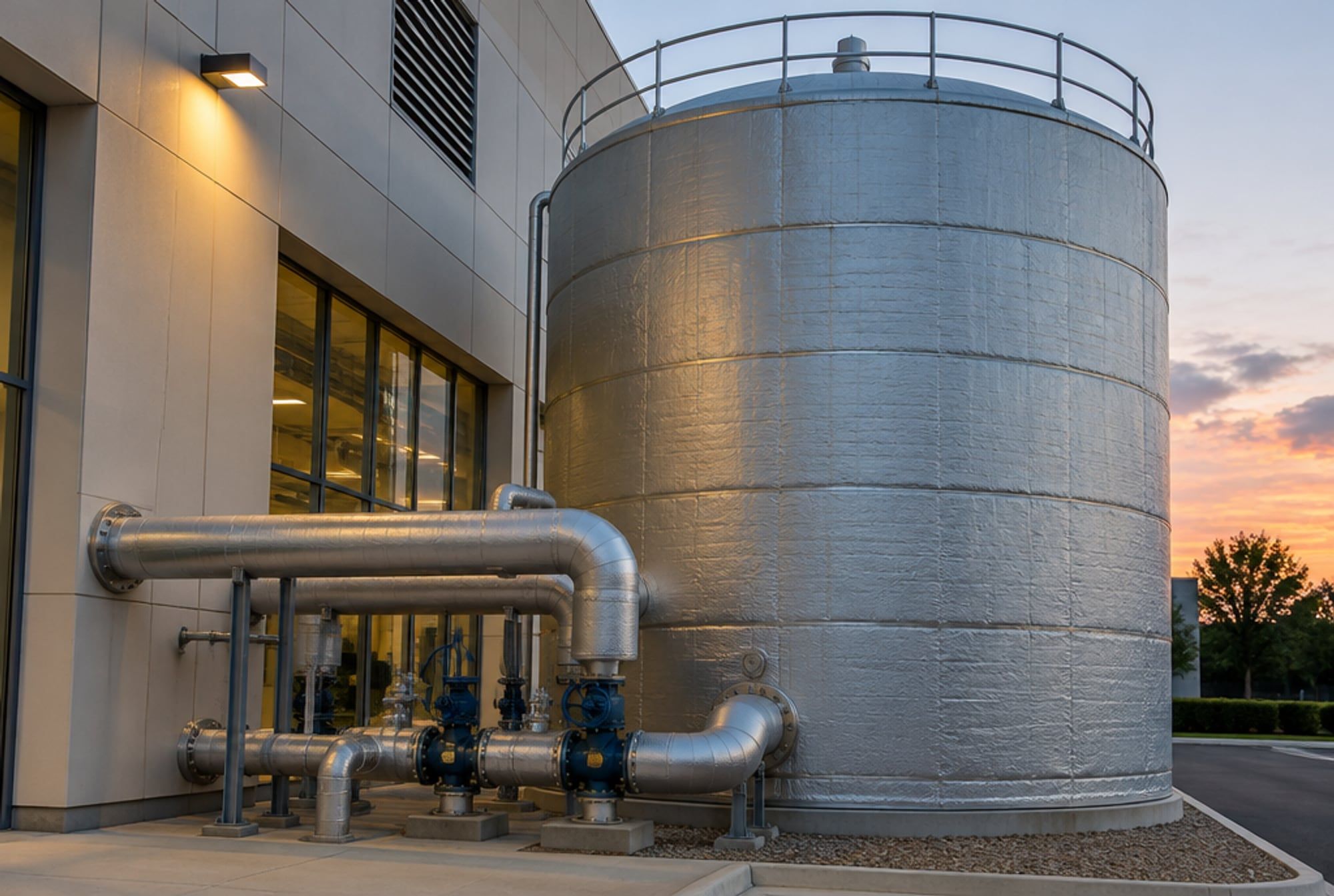
- Energy · October 8, 2026Thermal Energy Storage: Ice and Chilled Water TanksThermal energy storage makes cooling when power is cheap or plentiful and stores it as ice or cold water for use at peak hours. It can shrink chiller size and cut demand charges, and it suits sites with a sharp daytime peak. In Texas, summer ERCOT peaks and demand-based charges make it worth studying, but economics depend on the local tariff, and federal 179D deductions no longer apply to projects that began construction after June 30, 2026.
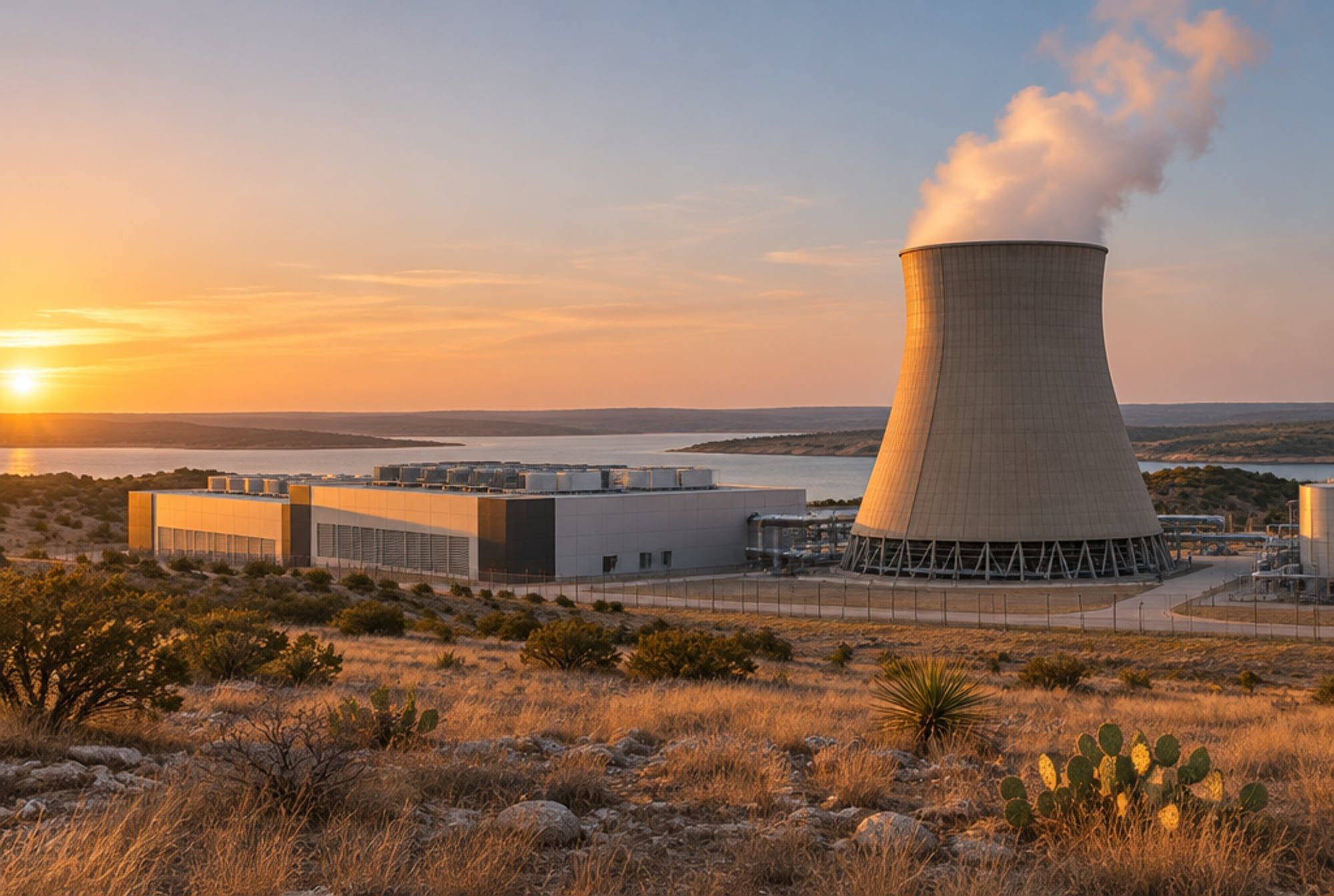
- Data centers · October 7, 2026Texas Data Centers and Water Use: What Drives ItData center water use depends mostly on the cooling design. Evaporative systems consume water continuously, while closed-loop systems use little water on site but more electricity. Climate, rack density, supply temperature and controls drive the result, so early design choices matter. Check current Texas agency and utility sources for rules and figures.
- Texas licensing · October 6, 2026Texas Assumed Name (DBA) for Contractors: The BasicsA Texas assumed name (DBA) lets a person or company operate under a name other than its legal name. Sole proprietors and general partnerships typically file with the county clerk; corporations and LLCs typically file with the Texas Secretary of State, and some also with the county. A DBA creates no new legal entity, no liability protection and no trade license. For contractors, the name used in business should match state records, including any TDLR license record.

- Texas licensing · October 5, 2026Texas ACR License Types: HVAC Class A vs Class BIn Texas, air conditioning and refrigeration (ACR) contractors are regulated by TDLR, which issues their licenses. A Class A ACR license (TACLA) has no size limit and covers chillers of any capacity. A Class B license (TACLB) is limited to cooling systems of 25 tons or less and heating systems up to 1.5 million BTU per hour. The license belongs to a person, and the company works under that person's license.
Subscribe
New articles, by email.
Let’s build it together.