By Marcus Lindqvist · Updated October 11, 2026 · 6 min read
Short answer
A walk-in cooler holds food above freezing, typically around 35 to 41 degrees F, while a walk-in freezer holds it at or below 0 degrees F. That temperature gap drives every other difference: thicker insulation, electric or hot-gas defrost, heated door frames and floors, different evaporators and compressors, and much higher energy use. Both must be built and maintained to hold food at safe temperatures.
A walk-in cooler keeps food just above freezing, usually between about 35 and 41 degrees F, while a walk-in freezer keeps it frozen at 0 degrees F or lower. The difference in temperature changes almost everything about the box: how thick the insulation is, how the evaporator defrosts, whether the floor needs a heater and how much energy the refrigeration system uses. Freezers cost more to build and run, and are less forgiving of door gaskets, air leaks and ice.
What temperatures does each one hold?
| Item | Walk-in cooler | Walk-in freezer |
|---|---|---|
| Typical box temperature | 35 to 41 degrees F | 0 degrees F or lower |
| Evaporator temperature | Roughly 25 to 30 degrees F | Roughly minus 10 to minus 20 degrees F |
| Typical use | Produce, dairy, beverages, prepared food | Frozen meat, ice cream, frozen prepared food |
| Frost behavior | Light, melts off by air | Heavy, needs active defrost |
Exact setpoints depend on the product and the operator’s food safety plan.
What are the food safety temperature basics?
In the United States, the FDA Food Code is the model that most state and local health departments use. It generally treats cold food that needs time and temperature control as safe when held at 41 degrees F or below, and it considers temperatures between 41 and 135 degrees F the range where bacteria grow fastest. Frozen food is typically held at 0 degrees F for quality. Local health departments adopt their own version of the code, so check the rules that apply to your location.
Practical points:
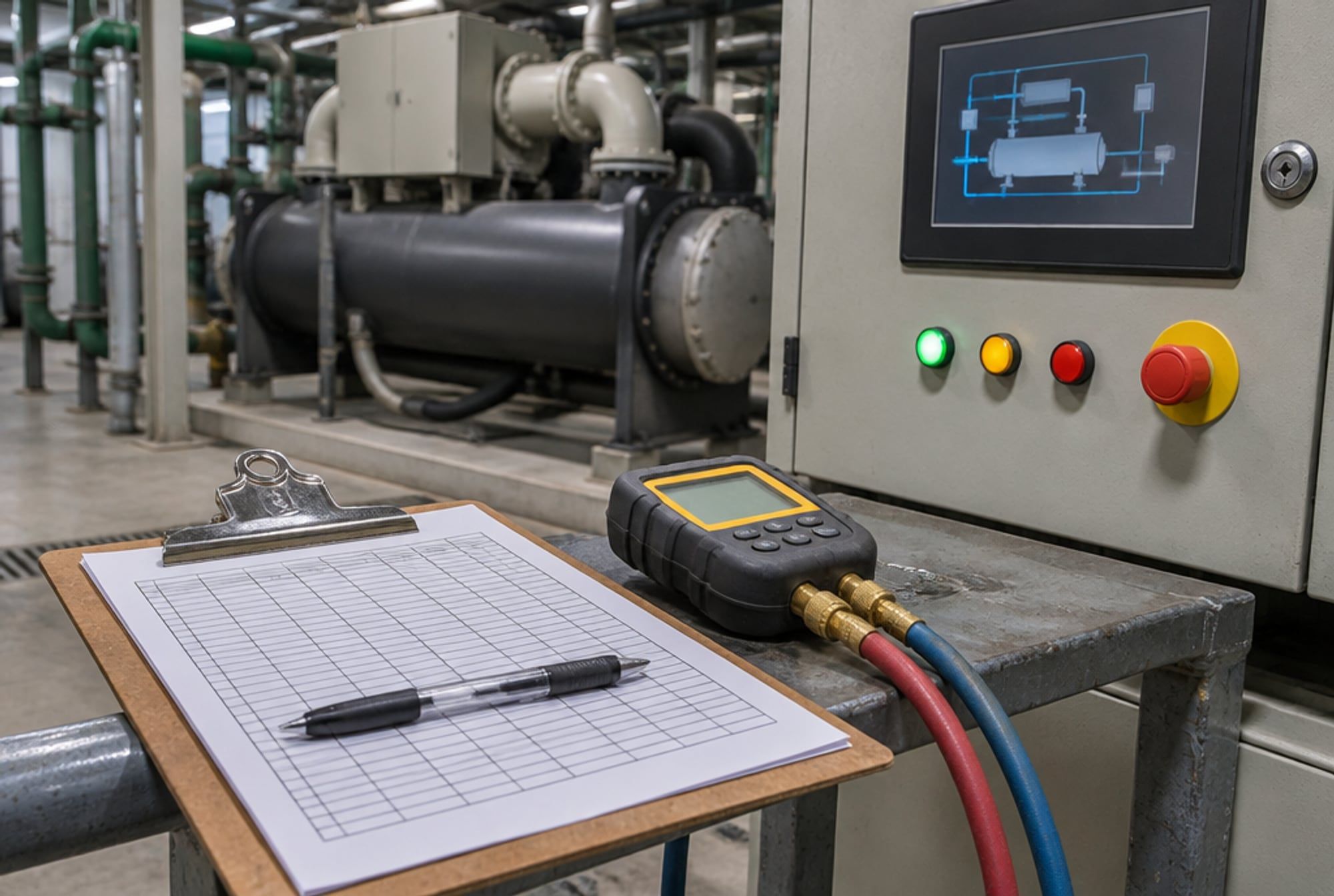
- Monitor with a calibrated thermometer, not only the controller display.
- Door openings, product loading and defrost cycles cause temporary swings.
- Temperature logging, by hand or electronic, helps show food was held safely.
How do the insulation and construction differ?
Walk-in panels are insulated with foam. Because a freezer holds a much larger temperature difference against the ambient air, its panels are generally thicker, and the freezer needs more careful sealing. Typical differences:
- Panel thickness. Coolers often use thinner panels than freezers. Manufacturer specifications and energy codes set the minimums.
- Floor. A cooler often has an insulated floor panel or a floor sealed to the slab. A freezer on a slab can freeze the ground beneath it and heave the floor if it has no heat source, so freezers usually need an insulated floor with a heating system.
- Door frames and gaskets. Freezer doors need heater wire around the frame and gaskets to stop ice buildup that can hold the door shut.
- Vapor control. Freezers draw moisture into the cold space, so seams, the cove and the penetrations need tight sealing.
How does defrost work in each?
In a cooler, the evaporator typically runs above freezing at the coil surface, so frost is light. Many coolers use “off-cycle” defrost: the compressor stops and room air melts the frost. A freezer coil is well below freezing, so it builds ice quickly and needs active defrost. The two common methods are:
- Electric defrost. Heater elements melt the ice on a timed or demand cycle. It is simple, but uses more energy.
- Hot-gas defrost. Hot refrigerant gas from the compressor is sent through the coil. It is faster and more efficient but adds piping and controls.
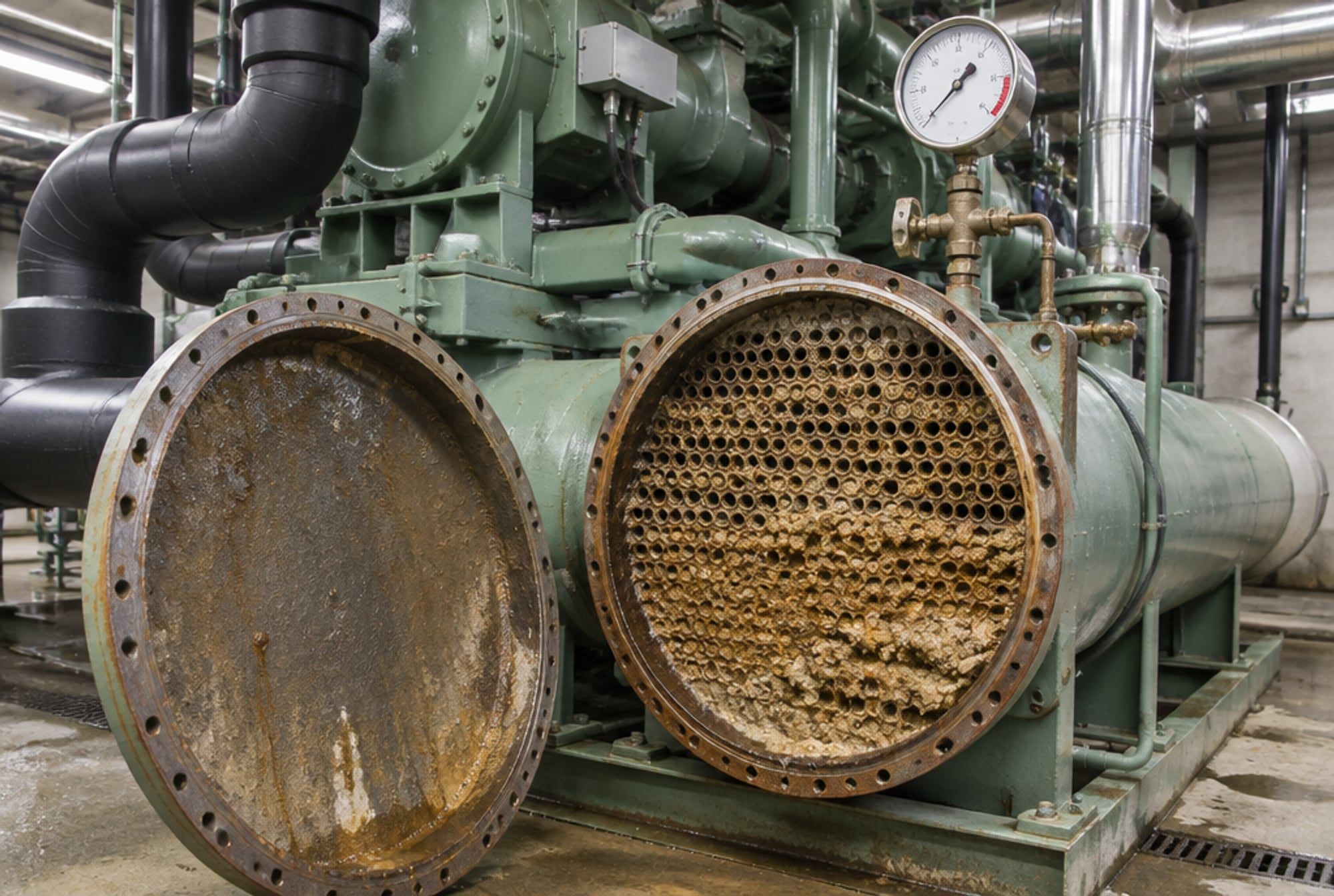
Poor defrost shows up as ice on the coil, blocked airflow, warm product and high energy bills. See also how a scroll compressor works for the machinery that often sits on these boxes.
How do evaporators and compressors differ?
- Evaporator. Freezers use wider fin spacing to reduce ice blockage and have drain pan heaters to stop meltwater from refreezing. Coolers can use tighter fin spacing.
- Compressor. A freezer works at a much lower suction pressure and a higher pressure ratio, so it needs a compressor selected for low-temperature duty. Some systems add a second stage or liquid injection to control discharge temperature.
- Refrigerant. Many walk-ins use HFC or HFO refrigerants, and the choice is shifting as rules change. See R-404A replacement with R-448A and R-449A.
- Condensing unit. Can be on the roof, outdoors or on a rack. Outdoor placement matters for low ambient conditions.
How much more energy does a freezer use?
A freezer generally uses far more energy per cubic foot than a cooler, because the temperature difference is bigger, the compressor works at a higher pressure ratio and the defrost and heaters add load. Energy use is affected by door openings, lighting, gasket condition, evaporator fan motors, defrost controls and how well the condenser is kept clean. Federal energy conservation standards for walk-in coolers and freezers set minimum design requirements for new equipment. Check the current requirements at the Department of Energy.
What should you check when a walk-in underperforms?
Before concluding a box is “too small” or “worn out,” a short, safe set of observations narrows the cause.
- Look at the door and gasket. A gasket that does not seal lets warm moist air in, which drives frost and load. Frost patterns often show where air is leaking.
- Check the evaporator coil. Heavy ice usually points to defrost, airflow or door issues rather than refrigerant; the reasons are explained in why a walk-in cooler is not cooling.
- Note product loading. Blocking the evaporator airflow with product causes uneven temperatures.
- Compare the system type. Some boxes use a dedicated condensing unit and others tie into a rack; refrigeration rack vs condensing unit explains the difference.
- Understand the compressor. Most walk-ins use scroll or semi-hermetic compressors; see how a scroll compressor works and the compressor types guide.
- Think about refrigerants. Many older boxes still run R-404A, covered in R-404A replacement options.
Keep a simple temperature log. Records show trends that a single reading cannot, and any work on refrigerant circuits should be done by qualified technicians, not by staff.
Frequently asked questions
Can I use a walk-in cooler as a freezer?
Usually not. A cooler’s panels, evaporator, compressor and controls are selected for higher temperatures. Running it at freezer temperatures can overload the compressor, freeze the floor, ice the coil and exceed the insulation’s ability to keep up. Freezer duty needs equipment designed for it.
Why does my walk-in freezer keep icing up?
Common causes include a door left open or a worn gasket, a defrost heater or timer that is not working, a blocked drain line or warm moist air entering the box. Persistent icing points to an air or moisture leak or a defrost problem and should be investigated.
Do walk-in coolers need floor heaters?
Not usually. Floor heating is mainly a freezer feature, to keep the ground under the box from freezing. Cooler floors are normally just insulated or sealed.
SpecServis engineers in Ukraine work with commercial refrigeration equipment. We are planning to enter the Central Texas market and are looking for technicians, partners and a company to buy. See our open positions or partnership options.