By Marcus Lindqvist · Updated October 16, 2026 · 7 min read
Short answer
HVAC technicians mainly work on comfort heating, cooling and ventilation, while refrigeration technicians work on systems that hold a product or process at a set temperature, such as walk-in coolers, cold storage and industrial plants. The trades share the refrigeration cycle and EPA 608 requirements, but differ in equipment, temperatures, controls and typical employers.
HVAC technicians mainly install and maintain systems that heat, cool and ventilate occupied spaces, while refrigeration technicians work on systems that keep food, products or industrial processes at a controlled temperature. Both trades rest on the same refrigeration cycle, both need EPA Section 608 certification to handle refrigerants, and many technicians cross between them. The differences lie in the equipment, the operating temperatures, the control systems and the pace of the work. In Texas, TDLR groups both under the air conditioning and refrigeration (ACR) program.
What is the main difference between the two trades?
The difference is the purpose of the system. An HVAC system conditions air for people. A refrigeration system holds a load at a target temperature, often well below freezing, around the clock.
That changes how failures are felt. When an office loses cooling, occupants are uncomfortable. When a cold room or process loop loses cooling, product can spoil or production can stop within hours. Refrigeration work therefore tends to emphasize reliability, monitoring and fast diagnosis.
How do the equipment and daily work compare?
| Area | HVAC technician | Refrigeration technician |
|---|---|---|
| Typical systems | Split systems, rooftop units, air handlers, heat pumps, furnaces, building chilled water | Walk-in coolers and freezers, multiplex racks, cold storage, process chillers, ammonia plants |
| Operating temperatures | Comfort range, evaporators typically above freezing | Medium and low temperature, down to deep-freeze applications |
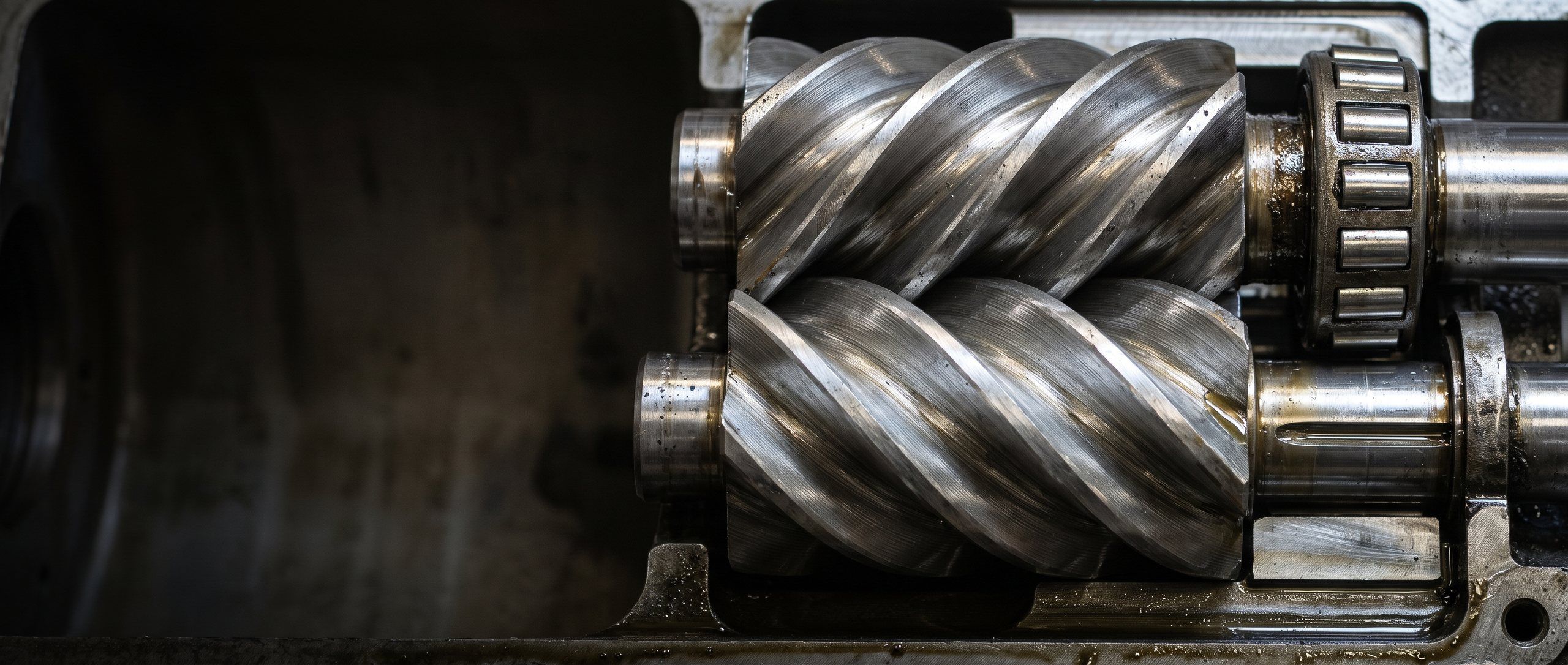
| Common compressors | Scroll and some semi-hermetic reciprocating units | Semi-hermetic reciprocating, screw, open-drive and rack compressors |
| Controls | Thermostats, building automation, VAV controls | Electronic pressure and temperature controllers, defrost control, rack controllers, PLCs |
| Typical sites | Homes, offices, schools, hospitals | Grocery stores, restaurants, food plants, warehouses, industrial facilities |
| Work pattern | Seasonal peaks in summer and winter | Year-round demand, with on-call duty common |
For the compressor side, see the refrigeration compressor types guide and screw vs. scroll compressors.
What skills does a refrigeration technician need that HVAC may not?
Refrigeration adds a layer of specialized knowledge:
- Defrost systems. Evaporators in freezers frost over, so electric, hot-gas or off-cycle defrost has to be understood and timed correctly.
- Low-temperature oil and refrigerant behavior. Oil return, compressor oil selection and refrigerant glide matter more at low temperatures.
- Rack and multi-compressor logic. Supermarket and industrial racks stage several compressors against shared suction and discharge headers.
- Large-charge safety. Ammonia and CO2 systems add toxicity, pressure and ventilation concerns. See ammonia refrigeration system basics and CO2 transcritical refrigeration.
- Product protection. Technicians must think about what is in the box, since food safety and pharmaceutical storage have their own rules.
HVAC technicians in turn develop strengths in airflow, duct design, gas heating, heat pumps, load calculations and customer-facing comfort diagnostics, which refrigeration technicians may use less.
What do the two trades share?
More than people expect:
- The vapor-compression cycle: compressor, condenser, metering device and evaporator. A technician who understands how a chiller works can read both worlds.
- Electrical troubleshooting, including contactors, capacitors, motors and variable-speed drives.
- Refrigerant handling under EPA Section 608, covered in EPA 608 certification types and exam guide.
- Brazing, pressure testing, evacuation and charging practices.
- Safety culture: lockout/tagout, working on roofs, handling pressurized systems.
What certifications apply in Texas?
At the federal level, anyone who buys, handles or opens refrigerant circuits needs EPA Section 608 certification. The types are Type I, II, III and Universal, and most commercial technicians aim for Universal.
At the state level, TDLR regulates ACR contractors and offers technician certification. Technicians generally work under a contractor license holder, and the license endorsement on the company determines the type of work it may do: environmental air conditioning, commercial refrigeration and process cooling, or both. See Texas ACR endorsements explained. Because requirements change, verify the current rules on the TDLR site before planning a career move.
What do career paths look like?
Both trades start with training or an apprenticeship, followed by supervised field experience. From there, paths diverge:
- HVAC: service technician, lead technician, installer or commissioning specialist, service manager, estimator, contractor.
- Refrigeration: service technician, rack or controls specialist, industrial refrigeration operator, plant maintenance lead, refrigeration contractor.
- Crossover: chiller technician, a hybrid that blends refrigeration mechanics with building systems. See how to become a chiller technician in Texas.
Wages differ by employer and specialty. For how pay is measured, read HVAC technician salary in Austin, Texas and check BLS OEWS for current data.
Which trade should you choose?
Choose HVAC if you like variety, working with customers, and a wide market of employers. Choose refrigeration if you like mechanical depth, controls and being the person who keeps critical systems running. Many technicians start in HVAC and move into commercial refrigeration after a few years, since the foundation transfers well.
Frequently asked questions
Can an HVAC technician work on refrigeration systems?
The basic skills transfer, but refrigeration has its own equipment, temperatures and safety demands. Employers usually train HVAC technicians on refrigeration under supervision, and the license endorsement of the employer must cover the work.
Do refrigeration technicians need different EPA certification?
No separate certification exists for refrigeration as such. EPA 608 types depend on the equipment: high-pressure, low-pressure or small appliances. Universal covers all of them.
Is refrigeration work harder than HVAC work?
It is different rather than harder. Refrigeration involves more specialized systems and on-call duty, while HVAC involves more variety and seasonal volume.
SpecServis engineers in Ukraine work on compressors, chillers and refrigeration equipment, and we are planning to enter the Central Texas market. If you work in either trade and want to talk, see our open positions or reach out about partnership.