By Marcus Lindqvist · Updated October 7, 2026 · 6 min read
Short answer
Data center water use depends mostly on the cooling design. Evaporative systems consume water continuously, while closed-loop systems use little water on site but more electricity. Climate, rack density, supply temperature and controls drive the result, so early design choices matter. Check current Texas agency and utility sources for rules and figures.
Data centers use water mainly in cooling. Evaporative cooling, such as cooling towers, consumes water as it rejects heat. Closed-loop designs with air-cooled chillers or dry coolers use little water on site but need more electricity, and power generation uses water too. How much a given facility uses depends on design, climate and operation, not on a single typical figure.
How does cooling use water?
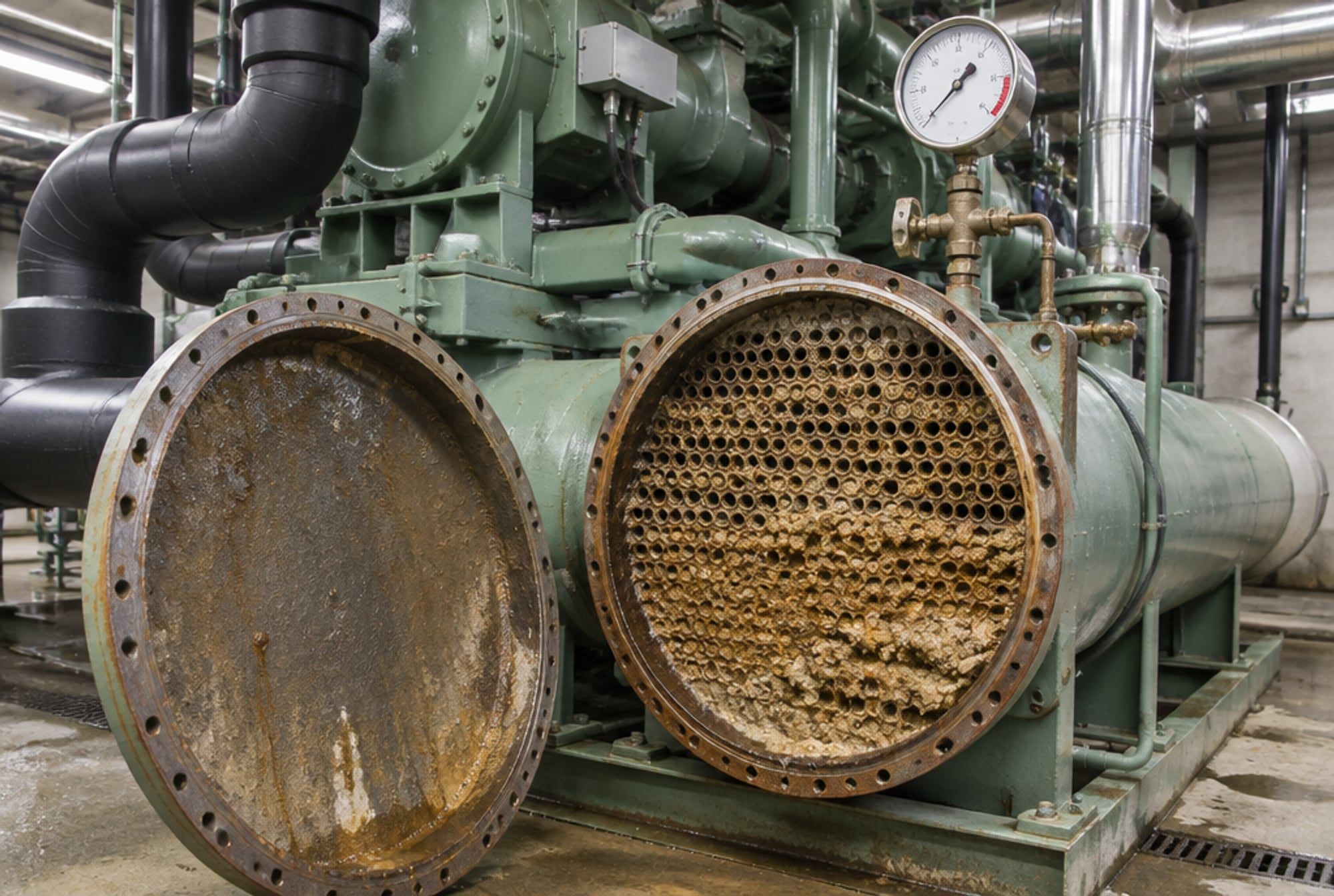
- Cooling towers. A portion of the circulating water evaporates to carry heat away, and some is drained (blowdown) to control minerals. Makeup water replaces both.
- Adiabatic or evaporative assist. Water is sprayed or wetted only when it is hot, reducing annual use.
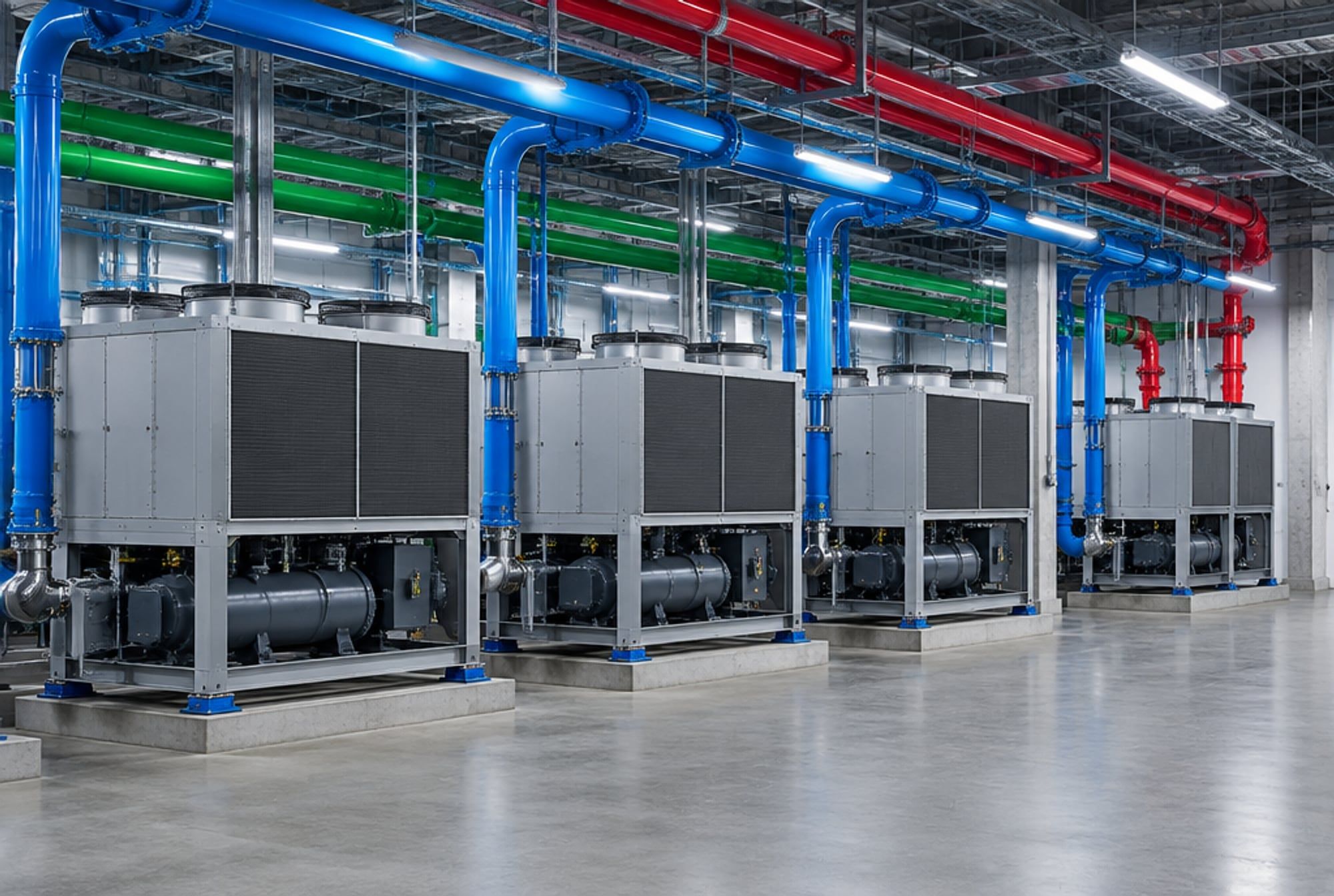
- Closed-loop air-cooled systems. Chillers or dry coolers reject heat to air. Water is sealed in the loop, with small makeup.
- Humidification and other uses. Smaller, but they exist, along with water for sanitation and landscaping.
- Indirect water. Power plants that supply the facility also consume water.
What drives the amount of water a data center uses?
- Climate. Hotter, drier hours increase evaporation demand.
- Cooling architecture. Towers versus dry cooling is the biggest single choice.
- Supply temperature. Warmer allowable water, as in liquid cooling, lets dry cooling work more hours.
- Load profile. High utilization and AI workloads produce steady heat.
- Controls and maintenance. Cycles of concentration, leak management and tuning matter.
- Water source. Potable, reclaimed or other supply affects treatment and availability.
How do design choices compare?
| Design | On-site water | Electricity | Notes |
|---|---|---|---|
| Water-cooled chiller + tower | higher | lower | efficient on hot days |
| Hybrid / adiabatic | moderate | moderate | water only at peaks |
| Air-cooled chiller or dry cooler | very low | higher | larger footprint |
| Warm-water liquid cooling + dry cooler | very low | lower than air-cooled | trim chiller often needed in summer |
A comparison of tower and dry options for the Texas climate is in data center chillers and cooling towers in Texas.
Why is water a public question in Texas?
Texas has recurring droughts and fast population and industrial growth, and water planning is handled regionally with state oversight. Data center growth adds a new category of large, steady demand, so developers, utilities and communities ask what water a project needs and where it comes from. Researchers at the University of Texas at Austin have noted that big questions about data center water use remain open. We do not quote numbers here because they differ by source, design and year. For current state planning and data, check the Texas Water Development Board.
What can designers and owners do?
- Decide the cooling concept early, since retrofit is expensive.
- Model water and energy together, not either alone.
- Use warm-water liquid cooling where the hardware allows.
- Consider reclaimed water or closed loops where available.
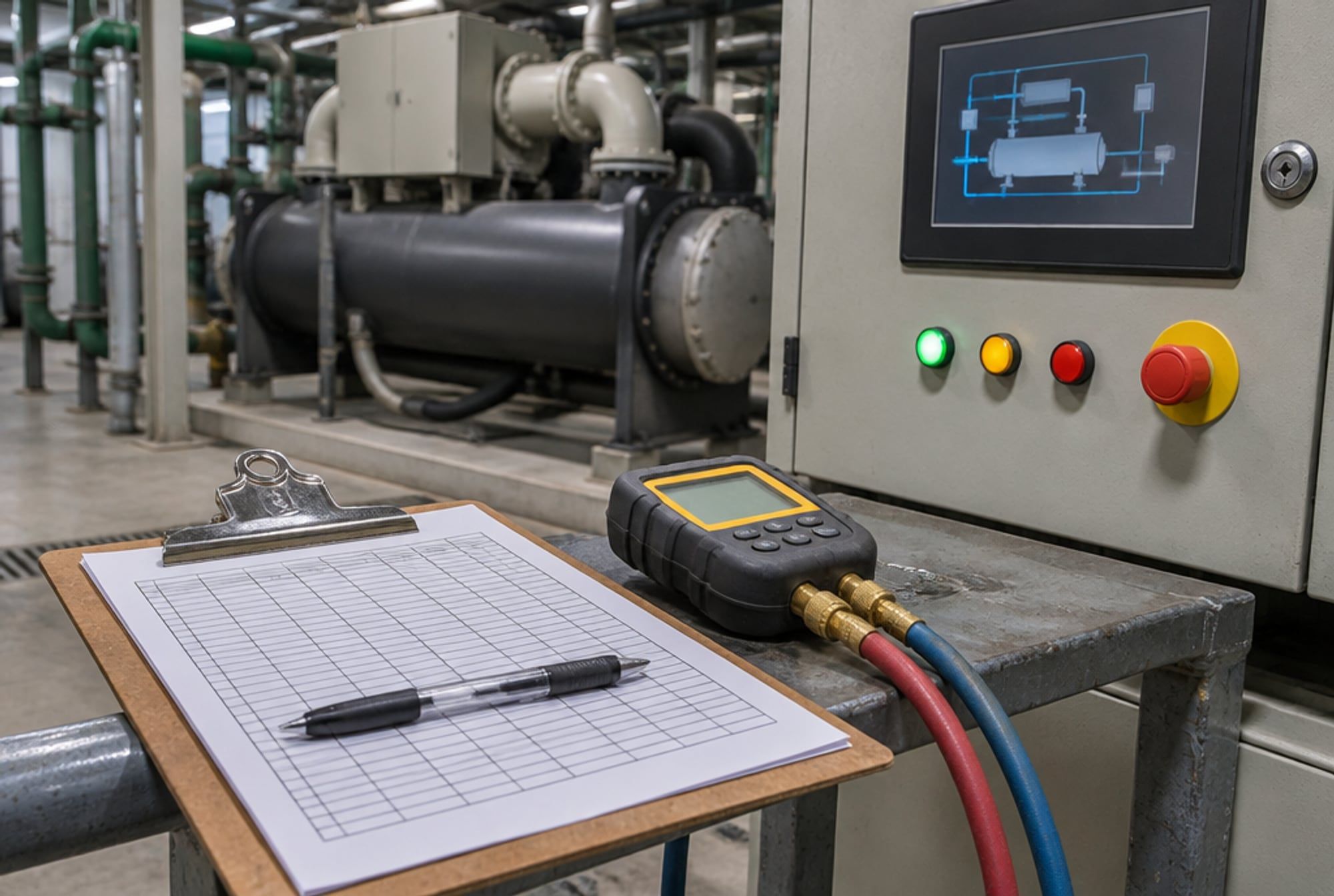
- Meter water, publish usage and track it against load.
- Plan commissioning and maintenance so the system performs as modeled; compare PUE, and consider reporting water use effectiveness alongside it.
What numbers should a water plan include?
A credible water plan is built from a few measurable items, not a single headline figure.
- Peak and annual use. Peak day matters for supply connections; annual totals matter for public discussion. State both, along with the assumptions behind them.
- Source and quality. Say whether water is potable, reclaimed or from another source, and whether treatment is required.
- Cycles of concentration. In cooling towers, higher cycles mean less blowdown but more treatment effort. See cooling tower basics.
- Weather dependence. Water use rises with temperature and humidity. The evaporative vs. water-cooled condenser comparison shows how design conditions move the result.
- Energy trade-off. Dry cooling saves water but raises electrical demand, which links back to air-cooled vs. water-cooled chillers.
Present the numbers with their units and design conditions side by side. A single figure without conditions is easy to misread, and the public conversation tends to reward plain, traceable data.
Frequently asked questions
Do all data centers use a lot of water?
No. Water use ranges from very little for closed-loop designs to substantial for towers. The cooling design and local climate decide.
Is closed-loop cooling always better?
It reduces on-site water but usually raises electricity use, and power generation uses water as well. Which is better depends on the grid, climate and cost.
Where can I find current Texas water numbers?
Start with the Texas Water Development Board, the Public Utility Commission and your local utility. Figures and rules change, so use the latest published data.
We follow how cooling design and water questions evolve for Central Texas projects. SpecServis engineers in Ukraine work with chillers and refrigeration, and we are planning to enter this market. See our open positions or partnership options.