By Yevhen Kovalchuk · Updated October 21, 2026 · 7 min read
Short answer
A cold storage warehouse uses a central refrigeration plant, evaporators with a defrost method, insulated panels and controlled docks to hold product at a set temperature. System choice among ammonia, HFC and CO2 depends on size, safety, regulation and operating cost. Food safety temperature limits come from FDA and USDA guidance, so confirm current requirements for your product.
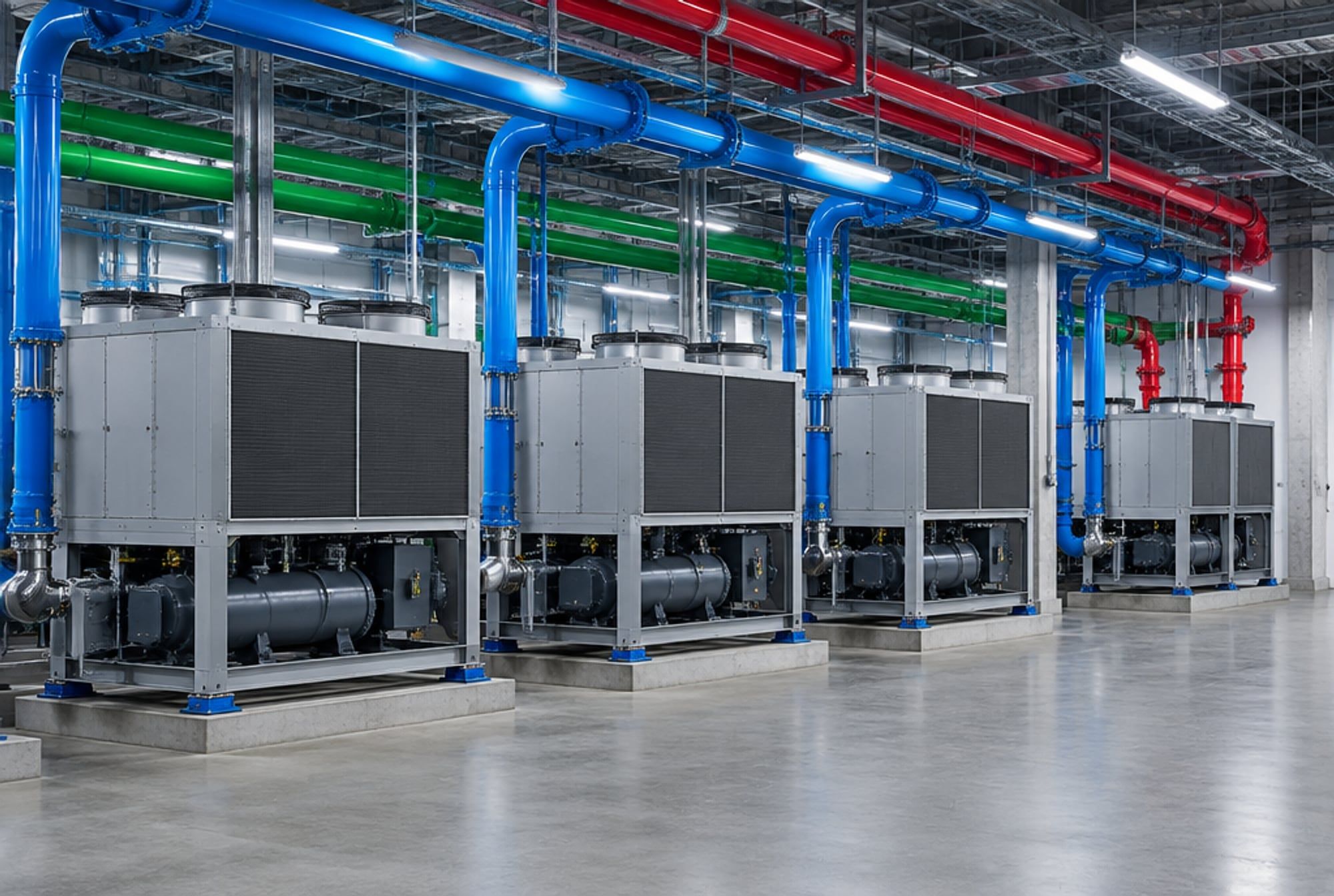
A cold storage warehouse holds food or other temperature-sensitive product in an insulated building cooled by a refrigeration plant. The plant removes heat that enters through walls, doors, lighting, people, forklifts and the product itself. Its main components are compressors, condensers, evaporators and controls, with an insulated envelope and well-designed docks to keep that heat load low. The choice of refrigerant, usually ammonia, an HFC or HFO blend, or CO2, depends on building size, safety needs, regulation and operating cost.
What are the main parts of a cold storage refrigeration system?
The refrigeration cycle is the same as in any system, but at larger scale:
- Compressors: often screw compressors in large plants, reciprocating or scroll in smaller ones. See screw vs scroll compressors.
- Condensers: air-cooled, evaporative or water-cooled, rejecting heat to the outdoors. For tradeoffs see evaporative vs water-cooled condensers.
- Receivers and piping: hold liquid refrigerant and carry it to the evaporators.
- Evaporators: coils with fans, hung in the rooms, that absorb heat from the air.
- Controls: sensors, valves, and a control system that stage compressors, manage defrost and alarm on faults.
How are freezer and cooler rooms different?
Rooms are grouped by the temperature they hold. The table gives general categories; exact setpoints depend on the product and the operator’s food safety plan.
| Room type | General purpose | Design concerns |
|---|---|---|
| Dock or staging (chilled) | Receiving and shipping with limited exposure | Door control, infiltration, condensation |
| Cooler | Produce, dairy, beverages and other chilled product | Humidity, air distribution, product respiration |
| Freezer | Frozen food held well below freezing | Frost on coils, floor heave protection, heavy insulation |
| Blast or spiral freezing | Rapid pull-down of product temperature | High air velocity, large capacity |
For smaller refrigerated rooms, see walk-in freezer vs walk-in cooler.
How do evaporators and defrost work?
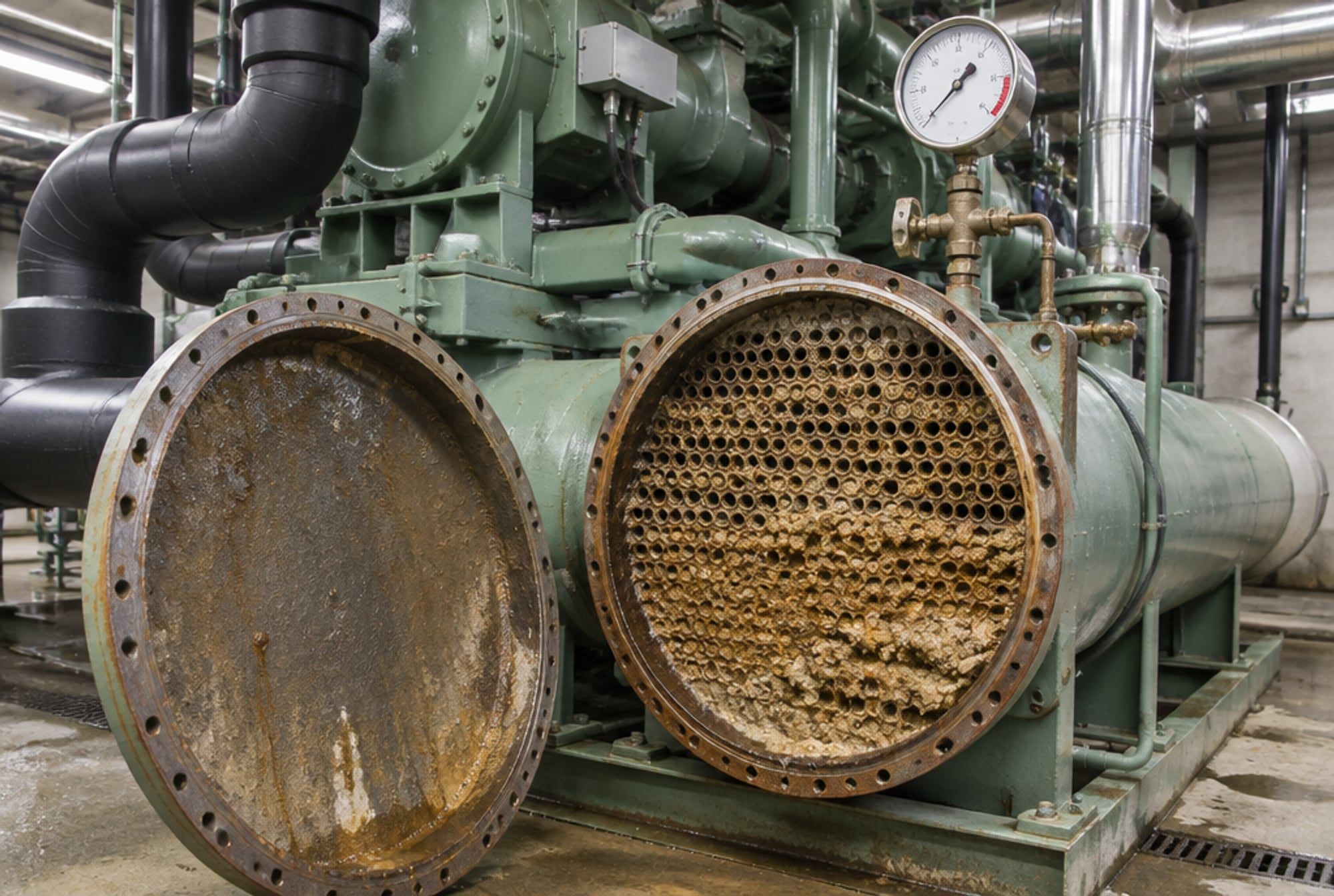
Air passes over cold coil surfaces and moisture in the air freezes onto them as frost. Frost insulates the coil and blocks airflow, so the coil must be defrosted periodically. Common methods include:
- Hot gas defrost: hot refrigerant vapor from the compressor is sent through the coil to melt the frost. It is common in ammonia and large systems.
- Electric defrost: heaters on or near the coil melt the frost; it is simple but uses more electricity.
- Water defrost: water is sprayed over the coil to melt frost, used in some freezer applications.
- Off-cycle (air) defrost: warmer air passes over the coil in medium-temperature rooms.
Defrost frequency and duration are tuned to the room, because too much defrost wastes energy and warms product, and too little lets ice build up. Drain lines and pans need heat or insulation in freezers so melt water does not refreeze.
How do insulated panels and docks affect the load?
Most of the heat a cold store sees comes through its envelope and its doors, so building design matters as much as the refrigeration plant.
- Insulated panels with a continuous vapor barrier reduce conduction and stop moisture from entering. Damaged joints, gaps and wet insulation are common sources of heat gain and ice.
- Floors under freezers need either heating or ventilation so that frost does not heave the slab.
- Docks with sealed dock doors, shelters and air curtains cut warm, humid air infiltration. Fast doors and anterooms help in freezers.
- Vapor and air barriers at roofs, walls and penetrations prevent moist air from migrating into cold rooms.
- Lighting and forklifts add heat inside the room, so efficient lighting and well-planned traffic matter.
Ammonia, HFC or CO2: how is the refrigerant chosen?
| Option | Strengths | Concerns |
|---|---|---|
| Ammonia (R-717) | High efficiency, low cost per ton, no HFC phasedown exposure | Toxic and mildly flammable; safety programs and trained operators are needed |
| HFC or HFO blends | Familiar, widely supported in packaged equipment | Regulated under the AIM Act; larger charges raise leak and cost exposure |
| CO2 (R-744) | Natural refrigerant, good for low-temperature cascade and transcritical designs | High pressures; specialized design and training; efficiency depends on climate |
| Ammonia/CO2 cascade | Limits ammonia to the machinery room while CO2 serves the cold rooms | More complex controls and equipment |
More on each: ammonia refrigeration system basics, ammonia vs freon refrigeration and CO2 transcritical refrigeration. Large ammonia facilities may fall under OSHA process safety and EPA risk management rules; see OSHA PSM and EPA RMP for ammonia facilities. Hot Texas summers also push condensing temperatures up, which affects the comparison between systems.
What about food safety temperatures?
Food safety temperatures are set by regulators and the product, not by the refrigeration designer. In general, refrigerated food is held cold enough to slow bacterial growth, and frozen food is held frozen. FDA publishes the Food Code and guidance, and USDA covers meat, poultry and egg products. Facilities usually write a food safety plan with monitored limits, continuous temperature logging, alarm response and documented corrective actions. Check the current FDA and USDA requirements that apply to your product, plus your customer’s specifications.
What routine checks matter most?
- Confirm that evaporator frost and defrost cycles are normal, and fix ice on drain pans, floors or doors.
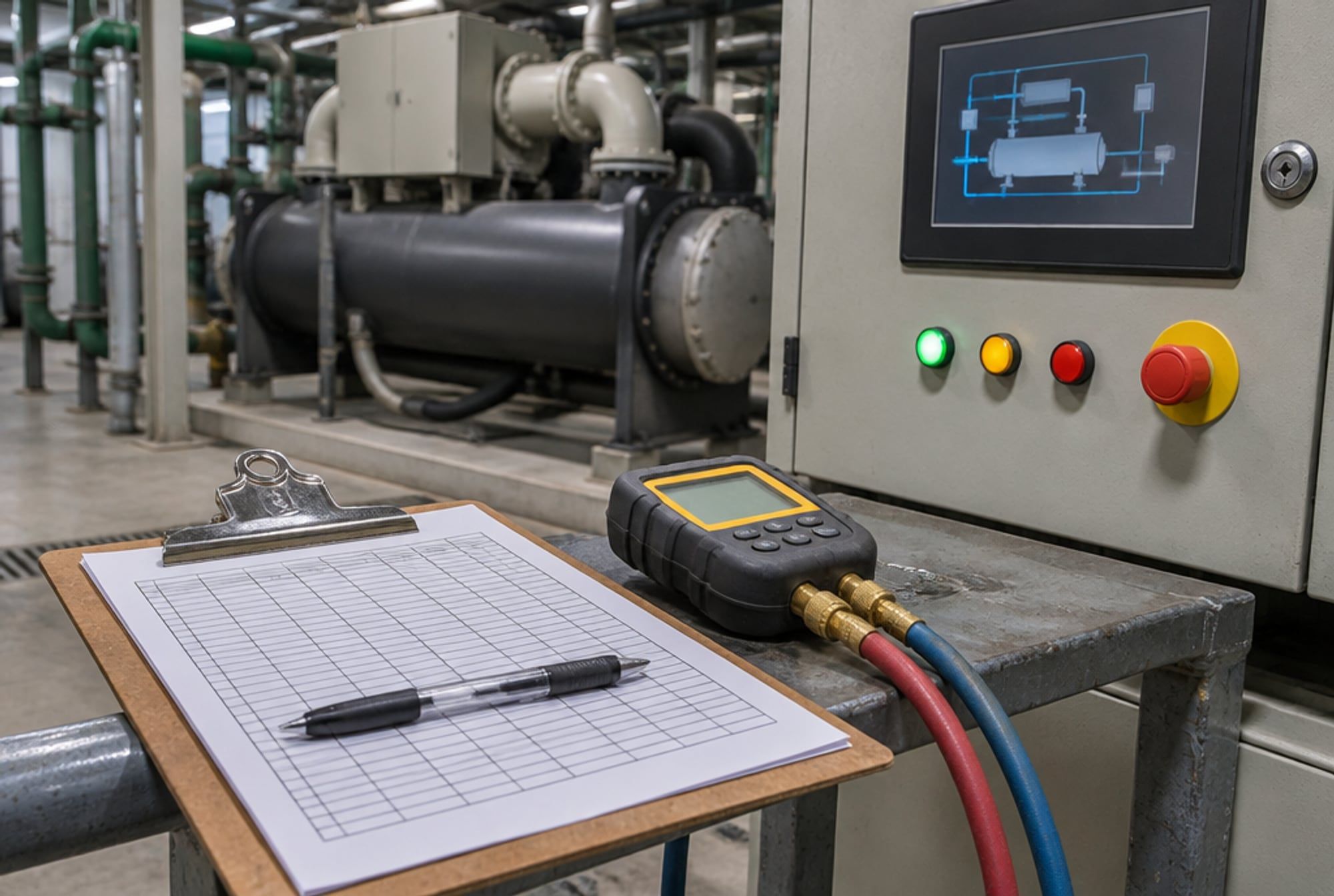
- Record suction and discharge pressures, oil levels and motor amps, and compare with past values.
- Inspect door seals, strip curtains and dock seals, and replace damaged ones.
- Test temperature sensors and alarms against a calibrated reference.
- Keep leak detection, ventilation and emergency shutoff systems working in the machinery room.
Frequently asked questions
How cold does a cold storage warehouse need to be?
It depends on the product. Chilled rooms run just above freezing to moderate cool temperatures, and frozen rooms hold well below freezing. Use the temperature in the product specification and the current FDA or USDA guidance.
Why does ice form on cold storage doors and floors?
Warm, humid air enters when doors are open or seals are worn, and moisture freezes on cold surfaces. Better door discipline, dock seals, air curtains and repairs to damaged panels reduce it.
Is ammonia only used in very large facilities?
Mostly, because its safety requirements and equipment suit large plants, though smaller packaged ammonia and ammonia/CO2 systems exist.
SpecServis engineers in Ukraine work with industrial refrigeration plants and cold storage equipment. We are planning to enter the Central Texas market and are looking for technicians, partners and a company to buy. See our open positions or partnership options.